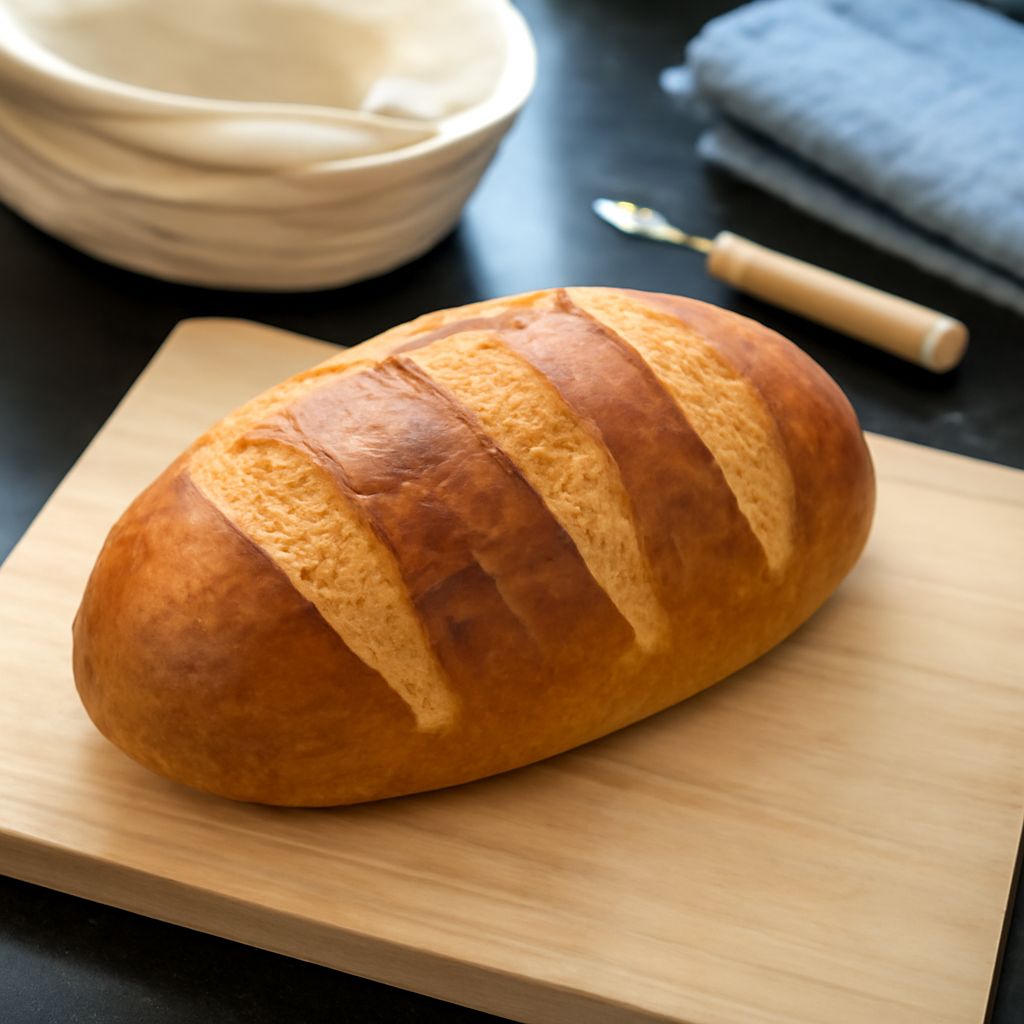
Autolyse is a short rest period in bread making when you mix only flour and water, then leave that mixture alone before adding salt and yeast. That pause helps the dough hydrate and start organizing itself, so you usually get easier mixing, better extensibility, and less kneading later.
In autolyse bread, the method is simple: combine flour and water first, rest the dough, then add the remaining ingredients and continue with kneading or folding. The exact rest time depends on your flour, hydration, and schedule, and those choices change how the dough behaves.
What Autolyse Means
In classic autolyse, you mix just flour and water. You do not add salt or yeast at this stage. The rest allows the flour to absorb water fully and lets enzymes begin working on starches and proteins, which makes the dough smoother and more extensible.
This is different from looser modern versions sometimes called autolyse that include part of the salt, yeast, or preferment. Those methods can still be useful, but they are not the classic technique. If you want the clearest effect on dough handling, keep the first mix to flour and water only.
How to Autolyse Bread Dough
Use this order when you make bread autolyse:
- Weigh the flour and water for your formula.
- Mix until no dry flour remains. The dough can look rough; it does not need full gluten development yet.
- Cover the bowl and rest the dough.
- Add salt and yeast after the rest, then mix until evenly distributed.
- Knead, stretch and fold, or use your preferred development method.
- Continue bulk fermentation as your recipe directs.
You should expect the dough to feel different after the rest. It often becomes less shaggy, more elastic, and easier to stretch without tearing. If you were planning to knead aggressively from the start, autolyse usually reduces that work.
For a practical example, if your formula calls for 500 g flour and 350 g water, mix those ingredients first, rest the dough, then add 10 g salt and 2 g yeast. After that, knead briefly or fold during bulk fermentation until the dough gains strength.
Timing, Flour Choice, and Hydration
Typical autolyse times range from 20 minutes to 1 hour for many breads. Short rests are common when you want a simple hydration boost. Longer rests, sometimes 2 to 4 hours, can work well with stronger flours or cooler room temperatures, but they require more attention because the dough can become overly slack if you leave it too long.
Flour type matters. High-protein bread flour usually benefits from a longer rest because it needs time to absorb water and relax. Whole wheat flour often needs some rest, but it can also break down faster because the bran interferes with gluten. Very refined white flour may need less time because it hydrates more quickly.
Hydration matters too. A wetter dough usually shows the clearest autolyse benefits because the flour absorbs water more slowly at first and gains extensibility during the rest. Lower-hydration doughs can still benefit, but the change may be subtler.
Use a shorter rest when:
- you are baking on a tight schedule
- your dough is already soft or highly hydrated
- you are using a flour that hydrates quickly
Use a longer rest when:
- you want more extensibility for shaping
- your flour is strong or thirsty
- you want to reduce final mixing time
Variations, Results, and Troubleshooting
A good autolyse usually gives you these visible changes: the dough feels smoother, it stretches farther before tearing, and it takes less effort to mix in salt and yeast later. You may also notice better oven spring because the dough started with stronger, more organized gluten development.
Modern variations can be useful, but they change the result. If you include salt in the initial mix, the dough will tighten sooner and the rest will be less dramatic. If you include yeast or preferment, fermentation can begin during the rest, which changes both timing and flavor. That can still be intentional, but it is no longer the classic flour-and-water rest.
Autolyse is not helping much if the dough still feels stiff and tears easily after the rest, or if it becomes so slack that it spreads instead of holding shape. In that case, the rest may be too short for the flour, too long for the formula, or unnecessary for that dough type. You may also be overmixing afterward; once the ingredients are added, stop when the dough is cohesive and then rely on folds or bulk fermentation to finish development.
Watch for these signs that you should adjust the method:
- Too little improvement: the dough still feels dry or uneven after resting.
- Too much relaxation: the dough loses strength and becomes sticky or hard to shape.
- Fast breakdown: whole wheat or high-enzyme flour turns slack during a long rest.
- Delayed schedule: the autolyse pushes fermentation timing later than you planned.
If you want the cleanest result, start with flour and water, choose a rest time that fits your flour and hydration, then add salt and yeast before kneading or folding. That sequence gives you the main benefits of autolyse without blurring it into a different method.