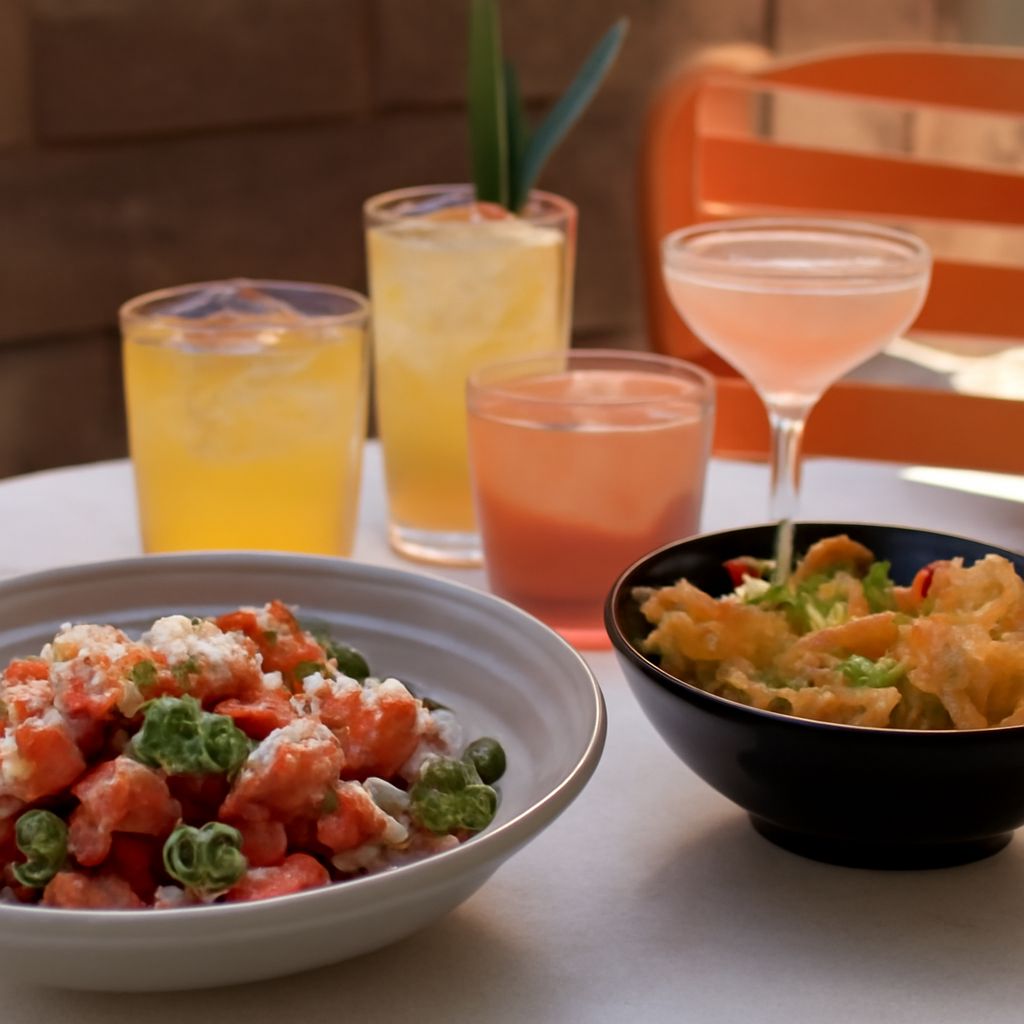
If you’re deciding where should we eat tonight, the fastest answer is to match the restaurant type to the moment: fast-casual for speed, casual dining for flexibility, fine dining for a special night, and cuisine-focused spots when you already know what you want. The best choice usually comes down to service level, budget, and the kind of meal you want to have.
Use this guide to compare restaurant types quickly and pick a place that fits your plans instead of scrolling past every option.
Restaurant types: the main options
The most useful restaurant categories fall into a few practical groups. Each one solves a different dining need.
Fast food
Fast food works when speed and price matter most. You order at a counter, drive-thru, or kiosk, and food arrives quickly. It is best for a cheap meal, late hours, or low-effort dining.
Fast-casual
Fast-casual restaurants are a step up from fast food. You still get quick service, but the ingredients, preparation, or menu quality usually feel more polished. These spots work well for lunch, a casual dinner, or a meal that feels cleaner and a little more intentional.
Casual dining
Casual dining is the broad middle ground most people use often. You sit down, order from a full menu, and get table service. This is one of the most flexible types of dining because it fits family meals, relaxed date nights, and group dinners.
Family-style
Family-style restaurants serve shareable portions meant for the table. This format makes sense when you want easy sharing, simple ordering, and a social meal. It also helps if everyone wants a little of everything.
Fine dining
Fine dining restaurants focus on elevated service, careful plating, and a more formal atmosphere. Choose this when the meal itself is part of the occasion. Expect a higher budget, longer meal time, and more attention to detail.
Cuisine-focused restaurants
Some restaurants are built around one cuisine or a specific ingredient, such as a coconut restaurant that centers dishes, drinks, or desserts around coconut. These places are best when flavor exploration matters more than format. They can be casual or upscale depending on the concept.
Buffets and all-you-can-eat spots
Buffets work well when variety matters more than individual plating. They are useful for picky groups, big appetites, and situations where you want to sample several dishes without ordering multiple entrées.
Compare restaurant categories by what matters
Instead of comparing restaurant types by name alone, compare them by how they perform in the real decision you need to make.
Service level
Service level changes the whole experience. Counter service is best when you want speed and control. Table service is better when you want to relax and stay longer. Full-service dining also helps when you need guidance, want drinks, or are celebrating something.
- Fast food: fastest, least hands-on
- Fast-casual: quick, slightly more polished
- Casual dining: balanced service and comfort
- Fine dining: highest service attention, slowest pace
Menu style and cuisine
Menu structure matters just as much as service. Some restaurant categories give you broad menus with burgers, salads, and pasta. Others focus on one cuisine or a narrow set of dishes. If you want a specific flavor, the restaurant’s concept matters more than its price range.
- Broad menus: good for groups with mixed tastes
- Specialty menus: good when you want a specific dish or cuisine
- Tasting menus: good when you want a guided, chef-driven meal
- Shareable menus: good for conversation and variety
Budget and occasion
Your budget should narrow the field quickly. Casual dining and fast-casual usually work for everyday meals. Fine dining fits anniversaries, business dinners, and other moments where price is less important than experience. A cuisine-focused restaurant can fit either side depending on how it is positioned.
- Low budget: fast food, some casual counters, buffet deals
- Mid-range: fast-casual and casual dining
- Higher budget: upscale casual, tasting menus, fine dining
Choose the best dining style for tonight
If you want a simple decision rule, start with the outcome you want from dinner. Then choose the restaurant type that supports it.
Quick casual meals
Pick fast food or fast-casual when you want to eat soon, keep the bill manageable, and avoid a long wait. These are the best restaurant types for weeknights, errands, and meals that need to fit between other plans.
- Best for: speed, convenience, solo meals
- Tradeoff: less ambiance and fewer service touches
Date night or special occasions
Choose casual dining if you want an easy, comfortable date night without much planning. Choose fine dining if the meal should feel memorable, polished, and intentional. A cuisine-focused restaurant also works well when you want a distinctive experience without the formality of fine dining.
- Best for: anniversaries, birthdays, business dinners
- Tradeoff: more time, more cost, more planning
Family meals and group outings
For families and groups, the best restaurant categories are the ones that reduce friction. Casual dining, family-style spots, and buffets handle mixed preferences better than narrow menus. If the group likes one cuisine, a specialty restaurant can work well as long as the menu has enough variety.
- Best for: mixed tastes, shared plates, easy coordination
- Tradeoff: popular places may require waits or reservations
Examples of restaurant types in real life
Real-world examples make the differences easier to use. These are not just categories; they are common dining choices you can act on right away.
Fast-casual spots
Think of places like Chipotle, CAVA, Sweetgreen, or similar bowl-and-salad concepts. These restaurants type well for quick lunch, lighter dinners, or when you want fresh ingredients without a long sit-down meal. They usually give you a good balance of speed and quality.
Fine dining restaurants
Examples include tasting-menu spots, chef-driven restaurants, and upscale dining rooms with reservations and attentive service. These are the strongest choice when you want a high-end experience, curated dishes, and a slower meal that feels special from start to finish.
Coconut restaurant and other cuisine-focused places
A coconut restaurant is a useful example of a specialty concept. It may highlight coconut in curries, desserts, drinks, or tropical plates, making it a strong pick if you want a focused flavor profile. Other cuisine-focused restaurants work the same way: ramen bars, sushi spots, taco shops, and regional Italian restaurants all serve a specific dining purpose.
- Choose a specialty place when: you already know the cuisine you want
- Choose a broad-menu place when: the group can’t agree on one style
- Choose a concept-driven place when: the meal itself is part of the outing