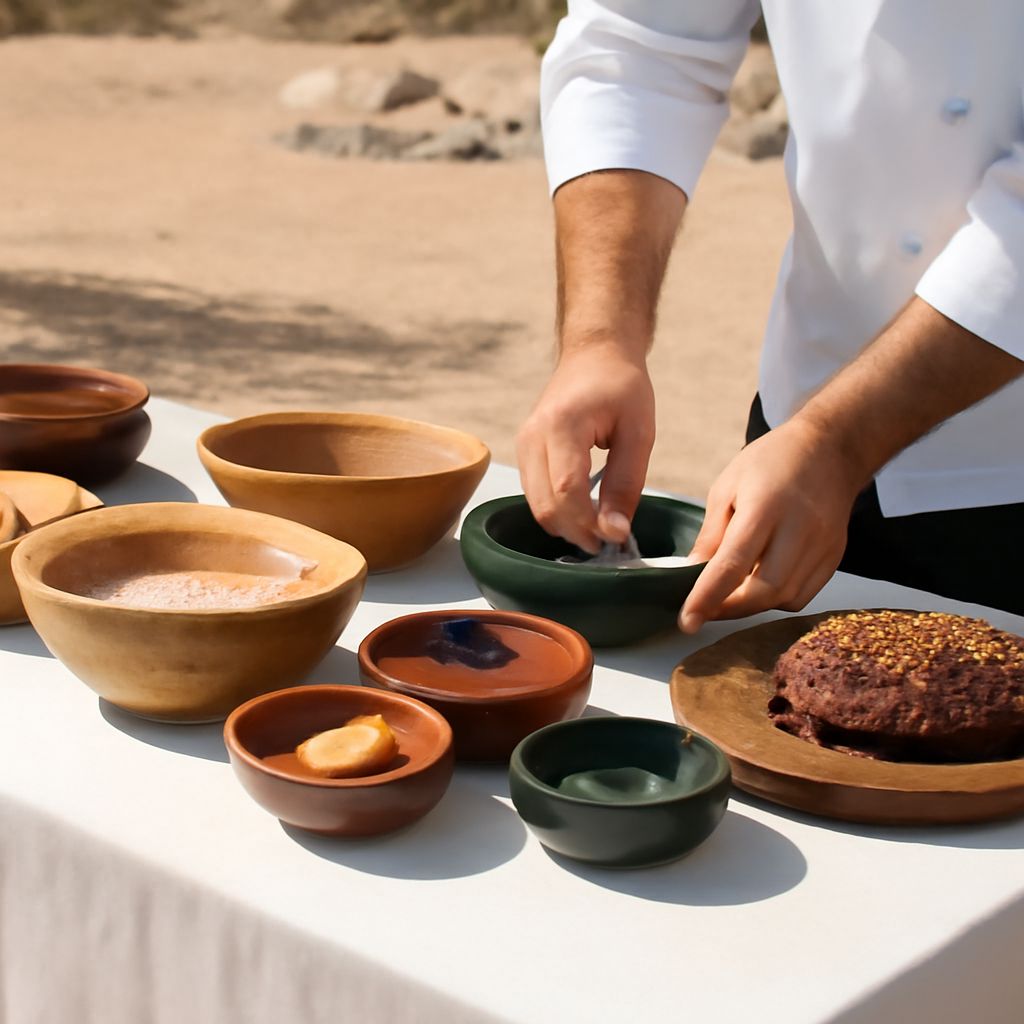
Ancient Roman cuisine relied on grains, legumes, vegetables, olive oil, wine, and intensely seasoned sauces. Your picture of Roman food should begin with everyday porridge, bread, beans, greens, and salted fish—not only the lavish dishes associated with imperial banquets.
What you ate depended on your wealth, location, occupation, and period. A laborer in the Republic, a city resident under the Empire, and an aristocrat hosting guests could encounter very different menus, even when they shared the same basic ingredients.
Ancient Roman Cuisine: Staples, Flavors, and Garum
Grain formed the foundation of the Roman diet. Wheat was preferred for bread and finer foods, while barley, millet, and other grains supported poorer households and particular regions. You might eat grain as a coarse porridge called puls, as flat or risen bread, or as a thickened ingredient in soups and stews.
Legumes supplied affordable protein. Lentils, chickpeas, peas, and broad beans could be boiled until soft and served with oil, herbs, vinegar, or a salty sauce. Vegetables were equally important: cabbage, leeks, onions, garlic, turnips, radishes, cucumbers, gourds, and leafy greens appeared in household cooking. Olives, grapes, figs, dates, apples, pears, and nuts added sweetness and variety.
Roman cooks used olive oil for frying, dressing, and enriching sauces. Wine was commonly diluted with water, while vinegar sharpened savory dishes and preserved foods. Honey provided the main sweetener. Pepper, imported from India, became especially fashionable among wealthy diners, and cooks also used coriander, cumin, dill, fennel, mustard, mint, rue, and other herbs.
Garum was one of the defining flavors of Roman cooking. Producers fermented small fish, fish trimmings, and salt, then drained the resulting liquid into a concentrated sauce. You could add it to meat, fish, vegetables, pulses, and sauces much as you might use salt or a strongly flavored condiment. Related products included liquamen, a refined fish sauce, and allec, a thicker residue. Garum was not limited to luxury tables; quality and price varied, making some versions accessible beyond the elite.
Ancient Roman Foods: Grains, Legumes, Vegetables, and Fish
Common ancient Roman foods combined local produce with ingredients moving through the empire. In Italy, wheat bread, porridge, beans, cabbage, olives, cheese, and seasonal fruit could make up a practical household diet. Coastal communities had easier access to fresh fish, oysters, mussels, and other shellfish, while inland families relied more on preserved fish, salted meat, and legumes.
Pork was the most culturally prominent meat, followed by poultry, goat, and mutton. Beef was less common on ordinary tables because cattle were valuable for farm labor. Wealthy households could buy game, exotic birds, dormice, and expensive cuts, but these foods should not be treated as typical Roman fare. Eggs and cheese offered more regular animal products, while sausages and cured meats helped extend the usable life of slaughtered animals.
Food preservation shaped the menu. People dried fruit, salted fish and meat, smoked some products, stored grain, and preserved vegetables in brine or vinegar. Fish sauce, wine, vinegar, herbs, and oil did more than create flavor: they helped cooks manage ingredients before modern refrigeration. A dish that seems highly spiced to you may have been designed to balance preservation, texture, and the quality of available food.
Ancient Roman Meals: Breakfast, Midday Food, and Dinner
The first meal, ientaculum, was usually modest. You might eat bread with cheese, olives, fruit, honey, or leftovers, and drink water or wine mixed with water. The meal’s size varied by household and work schedule, so it was not a fixed breakfast menu shared by everyone.
Prandium, the midday meal, was often light and practical. Bread, cold meat, fish, eggs, vegetables, fruit, or a simple pulse dish could be eaten without elaborate preparation. Workers and travelers might depend on food purchased from vendors or taverns, while wealthy households could draw from a staffed kitchen.
Cena was the principal meal, especially for people with the money and time to make it substantial. A formal dinner could begin with a gustatio, or appetizer course, continue through the prima mensa of savory dishes, and finish with a secunda mensa of fruit, nuts, pastries, and sweetened foods. Wine was served throughout, usually diluted and sometimes flavored.
These labels describe a common pattern rather than a universal timetable. A poor family, soldier, farmer, or enslaved worker might eat fewer meals and simpler portions. Urban residents could purchase prepared food, while rural households used what they grew, raised, caught, or traded locally.
Roman Cooking: Methods, Evidence, and Reconstructed Recipes
Roman cooking centered on the hearth, brazier, and oven. You could boil or simmer grains, beans, vegetables, and meat in ceramic pots; roast meat on spits; grill fish; fry ingredients in oil; or bake bread and pastries. Cooks pounded herbs, spices, nuts, and aromatics in a stone or ceramic mortar, then combined them with wine, vinegar, oil, broth, or garum to make sauces.
Many homes used portable braziers or small hearths, while larger properties had dedicated kitchens, ovens, storage jars, and specialized staff. Bread production could be highly organized, especially in cities such as Pompeii, where commercial bakeries used large mills and ovens. Amphorae and storage vessels carried wine, oil, grain, and fish products across the Mediterranean.
You learn about Roman food from several kinds of evidence. Writers such as Cato, Varro, Columella, Pliny the Elder, and Petronius describe farming, ingredients, social habits, and dining. The cookbook attributed to Apicius preserves recipes, although its date, compilation history, and elite focus make it unsafe to treat every instruction as a typical household dish.
Archaeologists add evidence that literary sources overlook. Carbonized grains, fruit pits, seeds, fish bones, animal bones, cooking pots, ovens, storage jars, and food residues reveal what people bought, prepared, and discarded. Pompeii and Herculaneum preserve unusually detailed snapshots, but they still represent particular communities and moments rather than the entire Roman world.
Modern reconstructed recipes combine those texts with archaeological findings. They can show how a pulse stew, bread, fish sauce, or herb dressing might have worked, but they remain informed experiments. Measurements, cooking times, and ingredient substitutions are modern interpretations—not proof that every Roman cook followed one fixed recipe.
Everyday Tables and Elite Banquets from Republic to Empire
On an everyday table, you would most likely find a grain food, a pulse or vegetable dish, bread, olives, cheese, and seasonal produce. Fish sauce, herbs, vinegar, and oil could make these staples more varied. Meat appeared, but regular access depended on income and location. Soldiers, laborers, and enslaved people often received standardized or limited rations, while households with land could supplement purchased food with garden produce and livestock.
Elite dining turned food into a display of wealth, rank, and imperial reach. Hosts could serve multiple courses of costly fish, imported spices, game, poultry, shellfish, fine wines, and elaborate molded or stuffed dishes. Guests reclined in a dining room, watched servers present successive courses, and judged the host partly by the rarity and theatrical presentation of the menu.
The contrast widened during the Empire as conquest and trade brought more goods into Rome and other major cities. Still, luxury ingredients did not replace staple foods. Elite kitchens also prepared bread, pulses, vegetables, and ordinary sauces; they simply had more labor, equipment, imported seasonings, and freedom to transform them. Roman food therefore changed across time and class without becoming a single, uniform cuisine.