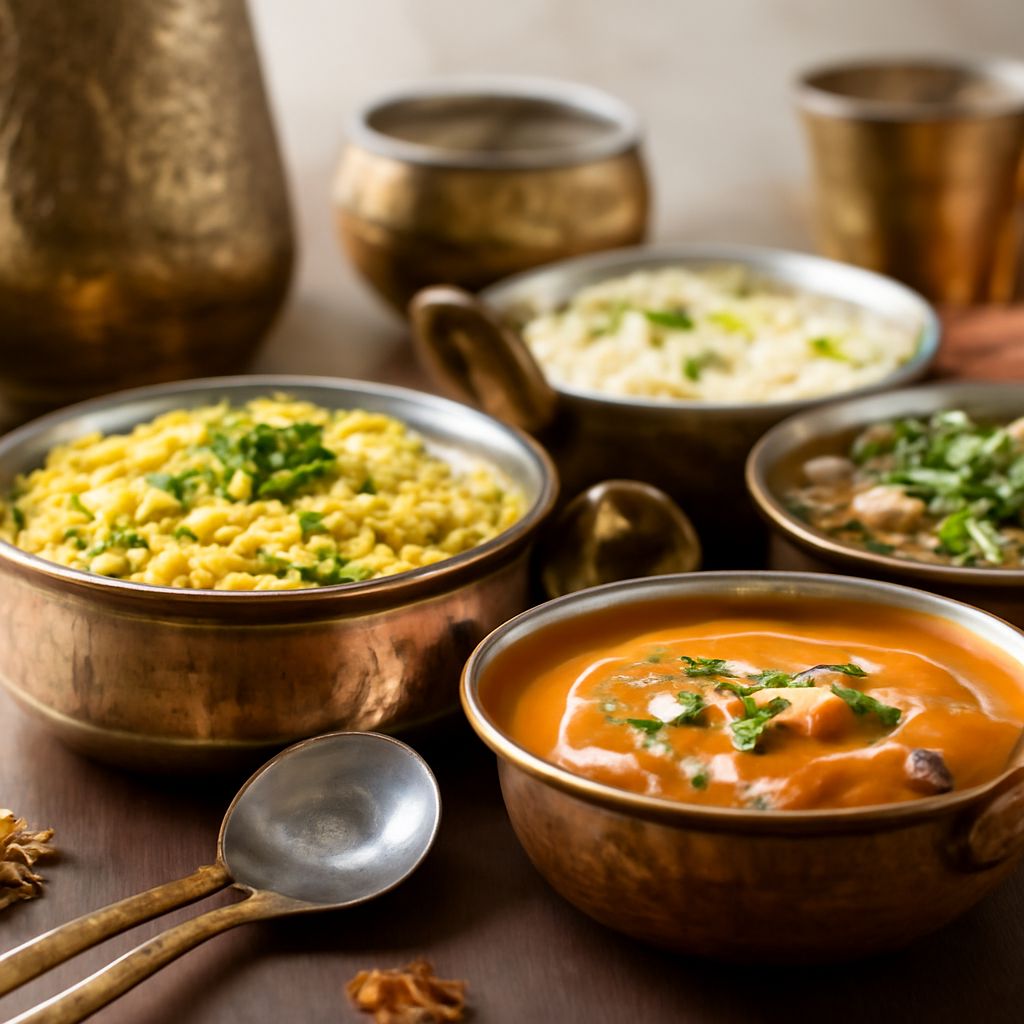
The most popular Indian dishes range from smoky tandoori kebabs and crisp street snacks to fragrant biryani, creamy curries, fresh breads, and syrupy sweets. You can choose confidently by matching the dish’s texture, spice level, and dominant flavor to what you enjoy.
Indian cooking varies widely by region, so a restaurant menu may feature only a small selection of the country’s cuisines. Use this guide to compare familiar dishes and build an order that includes vegetarian, meat, rice, bread, and dessert options.
Most Popular Indian Dishes by Region and Flavor
Regional ingredients help explain why Indian dishes taste so different from one another. Northern cooking often features wheat breads, dairy, grilled meats, and rich tomato-based sauces. Southern dishes commonly use rice, lentils, coconut, curry leaves, and tamarind, creating brighter, tangier flavors. Western cuisines include both coastal coconut curries and bold vegetarian specialties, while eastern cooking is known for fish, mustard, rice, and delicate sweets.
- Rich and creamy: Choose butter chicken, chicken tikka masala, or palak paneer. These dishes are usually mild to medium in heat, with a smooth sauce and prominent tomato, cream, spinach, or dairy flavors.
- Smoky and savory: Tandoori chicken, seekh kebab, and chicken tikka are marinated before grilling in a hot tandoor. Expect charred edges, juicy or slightly firm meat, and a smoky spice crust.
- Bright and tangy: Try chana masala, rasam, or dishes made with tamarind. These are often more acidic and herbaceous than creamy northern curries.
- Fragrant and filling: Biryani combines seasoned rice with vegetables, chicken, lamb, or seafood. Whole spices add aroma without necessarily making the dish hot.
Heat varies by restaurant and preparation. Chili can be reduced, but dishes such as vindaloo, Chettinad preparations, and some regional chutneys may remain distinctly spicy. Ask for mild, medium, or hot when ordering, and remember that yogurt-based sides can soften the burn.
Popular Starters and Street Foods: Famous Indian Food
Starters are an easy way to sample Indian flavors without committing to a large curry. They also provide useful texture contrasts: crisp pastry, crunchy fritters, tender kebabs, and cooling chutneys.
- Samosas: These triangular pastries contain spiced potatoes and peas, although some versions include meat. The shell is crisp and flaky, while the filling is soft, earthy, and gently spicy. Eat them with tamarind chutney for sweetness and mint chutney for freshness.
- Pakoras: Vegetables, paneer, or chicken are coated in chickpea-flour batter and fried. They have a crunchy exterior and tender center, with onion, spinach, or chili flavors depending on the filling. They are usually mild to medium in heat.
- Paneer tikka: Cubes of firm Indian cheese are marinated with yogurt and spices, then grilled with peppers and onions. The texture is springy and lightly charred rather than melty. Mint chutney is a common accompaniment.
- Chaat: This street-food category combines ingredients such as potatoes, chickpeas, yogurt, crispy wafers, chutneys, and fresh herbs. It is crunchy, creamy, sweet, sour, and salty in the same bite, with heat that depends on the green chutney.
- Seekh kebab: Minced lamb or chicken is seasoned, shaped around skewers, and grilled. The texture is tender but lightly firm, and the flavor is savory, smoky, and aromatic. Serve it with sliced onions, lemon, and chutney.
Curries and Grilled Favorites: Famous Indian Dishes
Curry names often describe a preparation style rather than one fixed recipe. The same dish may taste different across restaurants, so consider the sauce, protein, and likely heat level when choosing.
- Butter chicken: Tandoori chicken is simmered in a tomato, butter, and cream sauce. It is tender, smooth, mildly sweet, and usually mild, making it a reliable first curry. Pair it with naan or basmati rice.
- Chicken tikka masala: Grilled chicken pieces sit in a spiced tomato-based sauce. Compared with butter chicken, it is often more robust and less buttery, with medium heat that can usually be adjusted.
- Rogan josh: This Kashmiri-style lamb curry is deeply aromatic, tender, and savory, with cardamom and other spices carrying more weight than chili heat. Rice or naan balances the rich sauce.
- Chana masala: Chickpeas simmer with tomatoes, onions, ginger, and spices. The texture is hearty and slightly chunky, while the flavor is tangy, earthy, and medium-spiced. It is naturally vegetarian and works well with bhatura, roti, or rice.
- Palak paneer: Paneer is cooked in a thick spinach sauce. The cheese is soft but substantial, and the sauce tastes earthy, creamy, and gently spiced. It is a strong vegetarian choice when you want a mild curry.
- Vindaloo: Traditionally associated with Goa, this curry has a vinegar-tangy, garlicky profile and may include pork, chicken, or lamb. Its heat can be intense, so order it only if you actively enjoy spicy food.
- Tandoori chicken: Yogurt-marinated chicken is roasted at high heat until the outside is smoky and slightly crisp. The inside should remain juicy, with tangy, savory spices rather than a creamy sauce.
Rice, Breads, and Accompaniments: Most Popular Indian Food
Rice and bread turn saucy dishes into a complete meal. Choose one based on texture: rice is light and fluffy, while breads are useful for scooping curry.
- Biryani: Layered basmati rice is cooked with saffron or other aromatics, whole spices, and vegetables, chicken, lamb, or seafood. The grains should remain separate, with tender meat and a fragrant, moderately spiced finish. Raita is commonly served alongside it.
- Jeera rice: Cumin-seasoned basmati rice is simpler and milder than biryani. Its fluffy texture and nutty aroma make it a flexible partner for rich curries.
- Naan: This soft, chewy flatbread is baked in a tandoor and may be plain, buttered, or filled with garlic. Garlic naan adds a strong savory note; plain naan lets the curry lead.
- Roti: Made from whole-wheat flour, roti is thinner and less rich than naan, with a lightly chewy texture. It suits dry vegetable dishes and moderately thick curries.
- Dosa: This South Indian rice-and-lentil crepe is thin and crisp at the edges, with a soft center. Masala dosa contains a spiced potato filling and usually comes with sambar and coconut chutney.
Common accompaniments include raita, a cooling yogurt side; achar, a sharp and spicy pickle; papad, a crisp lentil wafer; and chutneys made from mint, cilantro, coconut, or tamarind.
Desserts and Sample Orders: Best Indian Dishes to Order
Indian sweets often emphasize milk, cardamom, saffron, rose, coconut, or syrup. Order one to share because many are rich or intensely sweet.
- Gulab jamun: Soft fried milk-dough balls soak in cardamom-scented sugar syrup. They are warm, tender, and very sweet.
- Rasmalai: Spongy cheese dumplings sit in chilled saffron-and-cardamom milk. The texture is delicate and creamy, with a lighter finish than gulab jamun.
- Kheer: This rice pudding is slow-cooked with milk, sugar, and spices, then topped with nuts. It is soft, creamy, and gently aromatic.
- Jalebi: Crisp coils of fried batter are soaked in syrup, creating a sticky, crunchy dessert with a bright sweetness.
For a gentle first meal, order vegetable samosas, butter chicken, garlic naan, basmati rice, raita, and gulab jamun. For a vegetarian spread, choose paneer tikka, chana masala, palak paneer, jeera rice, roti, and rasmalai. If you prefer smoky flavors, try tandoori chicken, seekh kebab, biryani, naan, mint chutney, and kheer. For a spicy order, select vindaloo or a hot regional curry, but balance it with raita and a mild bread.