Honduran cuisine is built around corn, beans, rice, plantains, fresh cheese, seafood, meat, and tropical produce. These ingredients appear in different combinations across the country, from a bean-filled baleada at breakfast to coconut-based seafood soups on the Caribbean coast.
You can start with familiar staples, then explore regional dishes such as sopa de caracol, nacatamales, pastelitos, and plato típico. The following guide shows what defines the food, how coastal and inland traditions differ, and which Honduran recipes make a practical first menu.
Honduran Cuisine: Corn, Beans, Rice, Plantains, and More
Corn is the foundation of many everyday meals. You will find it as tortillas, the masa used for tamales and pastelitos, and sometimes a thick porridge or drink. Beans are commonly cooked until tender and served whole or mashed and fried. Their earthy flavor balances salty cheese, rich meat, and bright cabbage or tomato toppings.
Rice adds a second staple starch, especially alongside grilled meats, stewed chicken, and seafood. Green or ripe plantains bring another contrast: green plantains are boiled, fried, or mashed, while ripe plantains are pan-fried until their edges caramelize. Cassava, green bananas, potatoes, and yuca also appear in soups and side dishes.
Common finishing ingredients include queso fresco, crema, avocado, cabbage, lime, cilantro, and chismol, a fresh mixture of tomato, onion, cilantro, and citrus. Depending on the region and meal, you may also encounter coconut milk, achiote, garlic, cumin, and sweet peppers. Honduran food feels hearty without relying on one dominant seasoning; texture and contrast do much of the work.
Traditional Honduran Food: Baleadas, Pastelitos, Tamales, and Plato Típico
A baleada is one of the easiest dishes to recognize and recreate. A soft flour tortilla is folded around refried beans, crema, and crumbled cheese. Many versions add scrambled eggs, avocado, grilled meat, or sausage. A simple bean-and-cheese baleada works as breakfast, while a larger one with eggs or meat becomes a filling lunch.
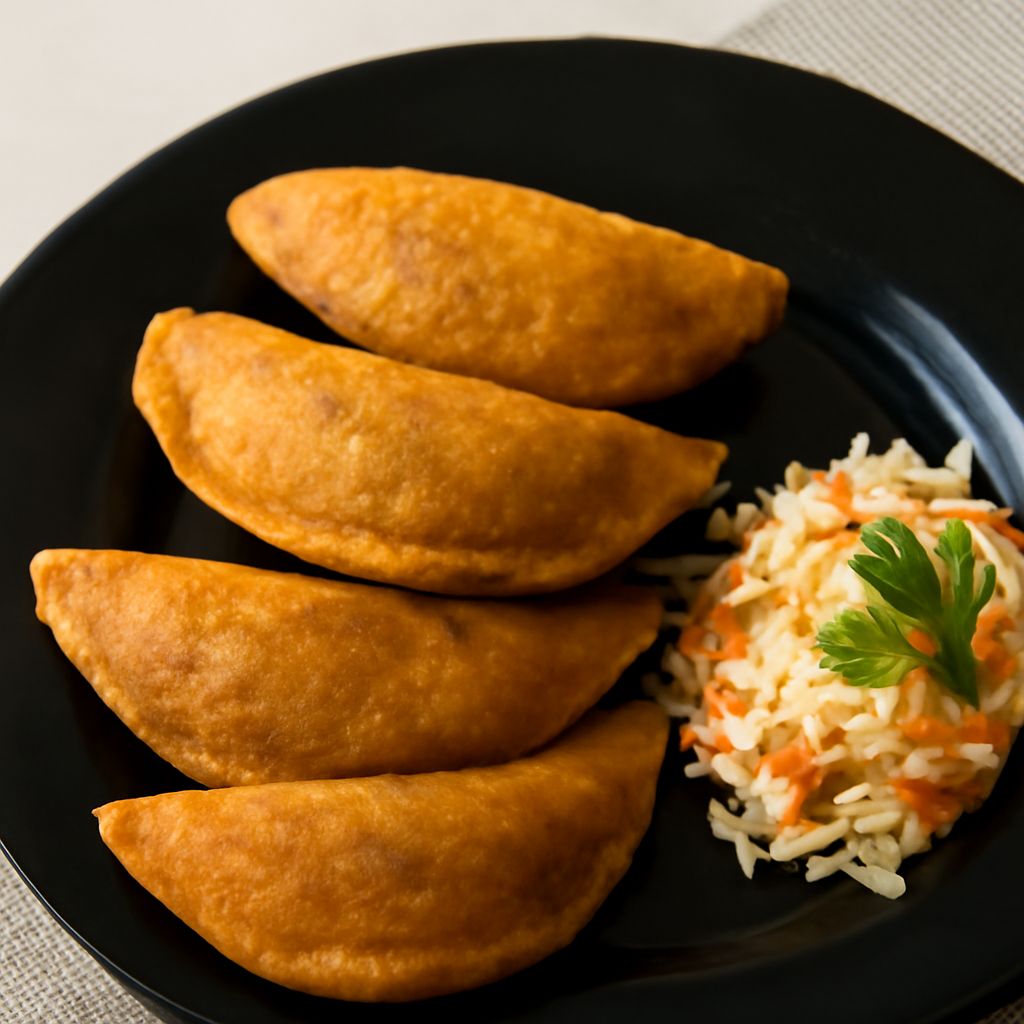
Pastelitos de carne are crisp, fried corn-masa pockets filled with seasoned ground beef, potato, and sometimes rice. They are usually served with cabbage slaw, tomato sauce, or a squeeze of lime. The outside should be crunchy and golden, while the filling stays moist rather than loose or oily.
Nacatamales are substantial steamed parcels made from seasoned corn masa. A typical filling includes pork or chicken, rice, potato, olives, and vegetables. The mixture is wrapped in banana leaves and steamed until the masa firms. Because they take time to assemble, families often prepare many at once for weekends, holidays, or gatherings.
A plato típico gives you a broad picture of a traditional meal: grilled beef, chicken, or pork served with rice, beans, fried plantains, salad, cheese, and tortillas. Portions and sides vary, but the combination demonstrates how Honduran cooking layers savory protein, creamy beans, sweet plantain, fresh vegetables, and corn.
Coastal and Inland Honduran Food: Sopa de Caracol and Regional Contrasts
Caribbean coastal cooking uses more seafood, coconut, cassava, green banana, and tropical herbs than many inland menus. Sopa de caracol is the best-known example. Conch is simmered with coconut milk, garlic, onion, peppers, cilantro, yuca, plantain, and green banana. The broth should taste creamy and aromatic, with seafood added carefully so it remains tender instead of rubbery.
Garifuna culinary traditions on the Caribbean coast also include machuca, mashed green and ripe plantain served with fish or seafood in a seasoned broth, and tapado, a layered coconut stew that may combine fish, shellfish, plantains, yuca, and other vegetables. Rice cooked with coconut milk and beans is another coastal pairing.
Inland and highland cooking leans more heavily on corn tortillas, beans, rice, chicken, pork, beef, potatoes, yuca, and dairy. Soups, grilled meats, tamales, and baleadas are especially practical where preserved staples and farm-raised ingredients are more available than fresh coastal seafood. These are broad patterns rather than strict rules: inland cooks use seafood when it is available, and coastal kitchens also prepare the national staples found throughout Honduras.
Honduran Recipes for a Practical Starter Menu
Build your first meal around four manageable preparations: bean-and-cheese baleadas, a quick plato típico plate, pastelitos, and a simplified coconut seafood soup. Together, they introduce the most important textures and ingredients without requiring a specialty pantry.
- Bean-and-cheese baleadas: For four servings, use four flour tortillas, 2 cups refried beans, 1 cup crumbled queso fresco, 4 eggs, 1 avocado, and crema. Warm the tortillas for 30 to 60 seconds per side. Heat the beans until spreadable, then scramble the eggs gently for about 3 minutes; stop when they are just set. Spread 1/2 cup beans on each tortilla and add cheese, egg, avocado, and crema. Fold and serve immediately. If the tortilla cracks, it is too cold or overfilled; warm it longer and use less filling.
- Weeknight plato típico: Cook 1 cup dry rice according to its package directions and warm 2 cups refried beans. Pan-fry four ripe plantain halves in 2 tablespoons oil for 2 to 3 minutes per side, until deeply golden but not burned. Grill or sear four thin beef or chicken portions with salt, garlic, and lime for about 4 to 6 minutes per side, depending on thickness. Plate each portion with rice, beans, plantain, cabbage salad, queso fresco, and a tortilla. The meat should be browned outside and fully cooked inside; dry, tough meat usually means excessive heat or overcooking.
- Pastelitos de carne: Brown 1 pound ground beef with 1 diced potato, 1/2 diced onion, garlic, cumin, and salt. Cook for 10 to 12 minutes, until the potato is tender and the filling is fairly dry; cool it before shaping. Mix or purchase corn masa, form six thin rounds, add 2 tablespoons filling to each, fold, and seal the edges firmly. Fry in 350°F oil for 3 to 4 minutes per side. They are ready when crisp and golden. Wet filling or weak seals cause splitting, so cool and drain the mixture before filling.
- Simplified coconut seafood soup: Simmer 2 cups coconut milk, 2 cups seafood stock, one sliced onion, two garlic cloves, one diced green plantain, and 1 cup cubed yuca for 15 to 20 minutes, until the roots are tender. Add 1 pound firm white fish or cleaned shrimp and cook 4 to 6 minutes more, just until opaque. Finish with cilantro, lime, and a pinch of achiote or paprika. Add seafood at the end; tough seafood signals that it stayed in the broth too long. Serve hot with rice or warm tortillas.