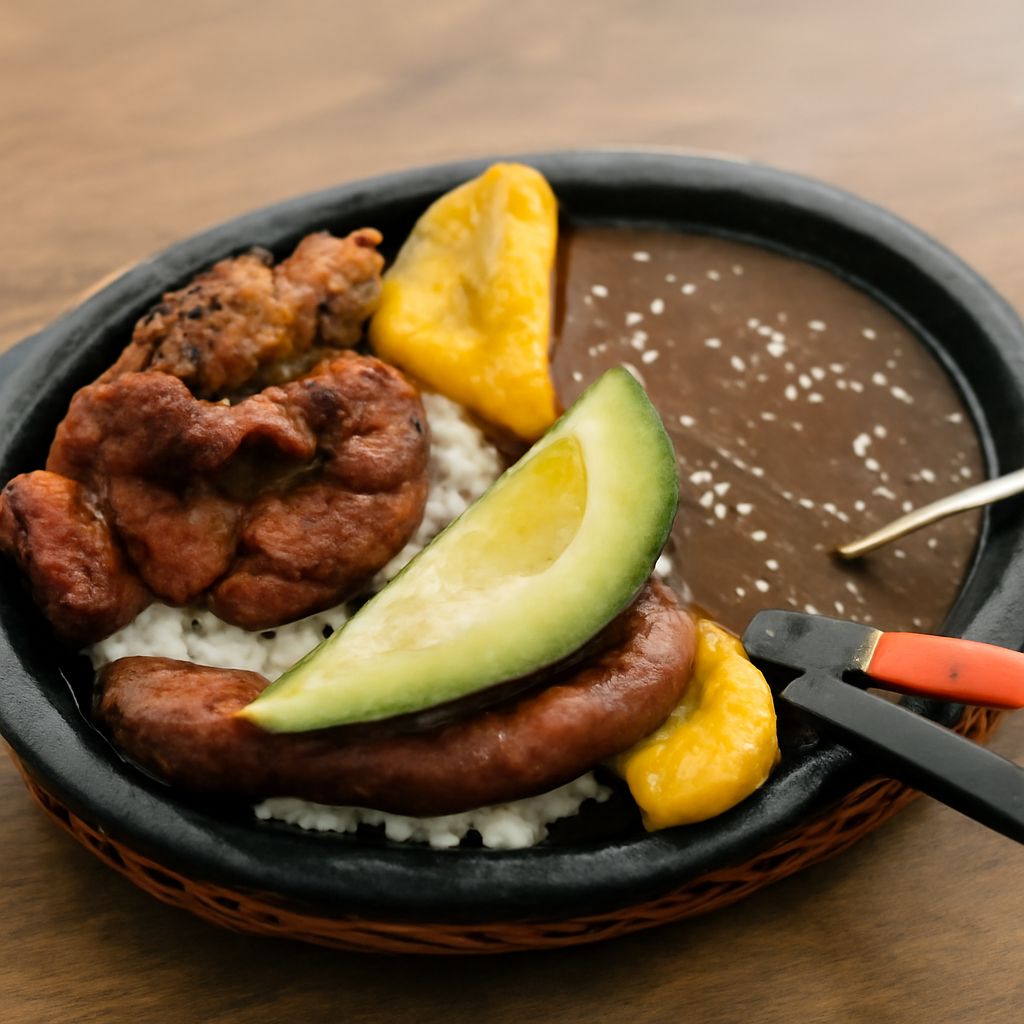
Traditional Colombian food brings together corn, rice, beans, plantains, potatoes, meat, seafood, and tropical fruit. You will find hearty mountain soups, crisp cornmeal snacks, grilled meats, coconut-seasoned rice, and fresh juices rather than one single national style.
Across the country, cooks adapt the same staples to local climates and ingredients. An arepa might accompany breakfast in Bogotá, while fried fish, coconut rice, and plantains define a Caribbean lunch. These Colombian foods offer a practical way to understand the country’s regional cooking.
Traditional Colombian Food Staples
Corn forms the base of arepas, empanadas, tamales, and several regional porridges. Cooks serve arepas plain, buttered, filled with cheese, or topped with eggs and meat. They also use fresh corn in soups and stews.
Rice and beans provide everyday substance. White rice commonly accompanies beans, meat, eggs, or seafood, while red beans simmer with vegetables and seasonings in Antioquia. On the Caribbean coast, cooks often prepare rice with coconut milk, giving it a lightly sweet flavor that pairs well with fish.
Plantains appear green or ripe. You may see green plantains fried into patacones, mashed and fried into a crisp side, or ripe plantains cooked until soft and caramelized. Potatoes, yuca, and cassava add variety to soups and main dishes.
Seasonings stay relatively direct: scallions, garlic, tomatoes, cilantro, cumin, and hogao, a cooked tomato-and-onion sauce. Avocado, fresh fruit, cheese, and eggs round out many meals. Beef, pork, chicken, and fish each play important roles, depending on the region.
Traditional Dishes: Arepas, Ajiaco, Bandeja Paisa, and Empanadas
- Arepas: These round corn cakes can be thick or thin, grilled or griddled. You can eat them at breakfast with butter and cheese, or as a side for beans, meat, or eggs. Regional versions include arepa de huevo, a coastal arepa filled with an egg and fried.
- Ajiaco: This Bogotá specialty is a creamy chicken and potato soup made with several potato varieties, corn on the cob, and guascas, an herb that gives the broth its distinctive flavor. Restaurants usually serve it with capers, cream, avocado, and rice on the side.
- Bandeja paisa: The Antioquian platter combines red beans, white rice, ground beef, chicharrón, ripe plantain, fried egg, avocado, and a small arepa. Because it contains several rich components, you can treat it as a filling midday meal rather than a complete picture of all Colombian cooking.
- Sancocho: This family of brothy stews changes by location. Chicken, beef, pork, or fish cooks with yuca, plantain, corn, potatoes, and herbs. Coastal fish sancocho tastes lighter and more aromatic than a hearty inland version.
- Empanadas: Colombian empanadas use a cornmeal shell instead of the wheat pastry common in many other countries. Fillings often include seasoned beef, chicken, potatoes, or cheese. Serve them hot with ají, a sharp fresh sauce made with herbs, onion, vinegar, and chili.
Colombian Foods Across Four Regions
Andean cooking reflects cool highland conditions. Potatoes, corn, beans, dairy, chicken, and beef support substantial dishes such as ajiaco, changua, tamales, and bandeja paisa. Meals often include warm soups and starches that suit the mountain climate.
Caribbean cooking uses seafood, coconut, rice, yuca, and plantains. Look for fried or grilled fish with arroz con coco and patacones, shrimp or fish stewed in coconut sauce, and coastal versions of arepas and sancocho. Sweet fruits and chilled juices also play a larger role in hot coastal areas.
Pacific cooking centers on fish, shellfish, coconut, herbs, and locally available plant foods. Encocados, which simmer seafood in coconut sauce, show the region’s distinctive combination of ocean ingredients and aromatic seasoning. Soups and rice dishes frequently carry deep, savory flavors.
Inland plains and Amazonian areas favor grilled meats, freshwater fish, yuca, plantains, and regional fruits. In the Llanos, you may encounter mamona, young beef slowly roasted over an open fire. Amazonian cooking adds river fish and less familiar fruits to the broader food of Colombia.
The Food of Colombia at a Typical Meal
Breakfast may include an arepa with eggs, cheese, or meat, alongside hot chocolate, coffee, or fruit juice. In some highland homes, you might start the day with changua, a warm milk-and-egg soup flavored with scallions and cilantro.
Lunch is often the main meal. A typical plate can include soup first, followed by rice, beans, a protein such as chicken or beef, plantain, avocado, and a small salad. Coastal diners may replace beans or meat with fish, coconut rice, and patacones.
Dinner is usually lighter but can still feature arepas, eggs, soup, or leftovers from lunch. Between meals, you can find empanadas, cheese-filled breads, roasted corn, fresh mango, guava, passion fruit, and juices made from lulo or soursop.