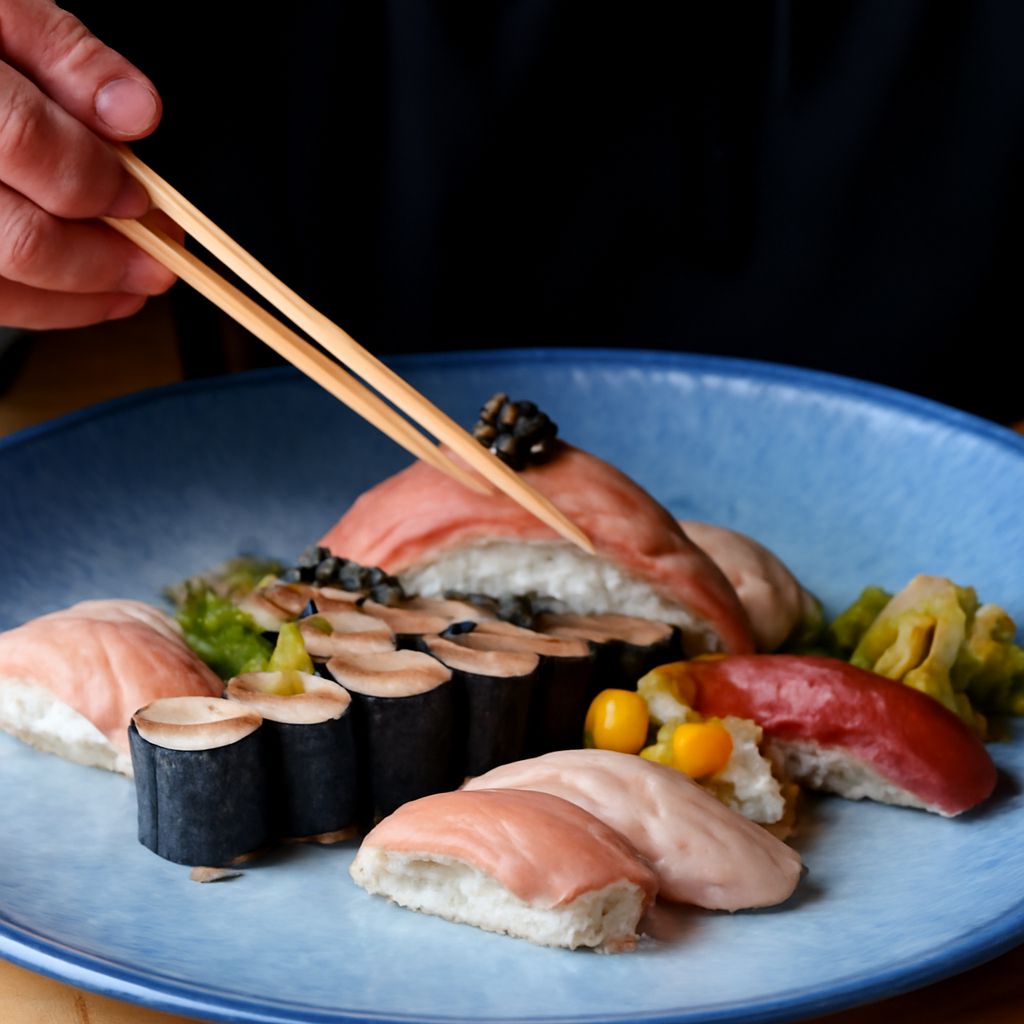
For the best sushi in the world, Sushi Saito in Tokyo is the strongest all-around choice in this January 2025 ranking. Its warm rice, carefully sourced fish, disciplined knife work, seasonal judgment, and remarkably consistent chef-led sequence edge out seven exceptional counters.
This global ranking covers high-level omakase restaurants in Japan, North America, Europe, and Asia. It weighs current dining quality—not award history or price alone—along with what you can actually experience at the counter.
Best sushi in the world: 8 global picks for 2025, led by Sushi Saito
- Sushi Saito — Minato, Tokyo, Japan: Refined Edomae sushi built around precise shari temperature, balanced seasoning, pristine fish, and exacting knife work. The chef’s sequence is controlled and consistent, but access is exceptionally limited.
- Sushi Yoshitake — Ginza, Tokyo, Japan: A polished Edomae counter known for confident fish aging, supple rice, and a strong progression from delicate to richly flavored pieces. Reservations require planning, yet the experience rewards diners who value classical technique over spectacle.
- Sushi Sho — Stockholm, Sweden: An Edomae-influenced omakase that combines Japanese technique with excellent Nordic sourcing. The menu changes sharply with seasonality, while the extended sequence gives you more variety than a conventional nigiri-focused meal.
- Sushi Shikon — Central, Hong Kong: Traditional Edomae sushi with carefully selected seasonal fish, measured aging, and clean, deliberate knife work. Its intimate counter delivers a highly consistent experience, though limited seats make access difficult.
- Masa — New York, United States: A luxurious, Edomae-led omakase where sourcing, rice texture, and ingredient clarity take priority. The chef sequence feels composed and kaiseki-aware; its high price explains the setting, not the ranking.
- Sushi Noz — New York, United States: A focused Edomae experience with strong fish aging, warm rice, and an engaging progression of nigiri and seasonal dishes. The small counter supports close chef interaction, but reservations are scarce.
- Ginza Sushi Ichi — Singapore: A disciplined Edomae-style restaurant that brings Tokyo sensibility to Southeast Asia. Consistent rice, imported seasonal fish, restrained knife work, and a clearly ordered omakase make it one of the more dependable international choices.
- Sushi Inaba — Manhattan Beach, California: An intimate Edomae counter praised for thoughtful aging, sharp preparation, and a personal chef sequence. Its limited seating restricts access, but the focused format can feel less formal than Tokyo’s most difficult reservations.
Ranking criteria: rice, fish sourcing and aging, knife work, seasonality, chef sequence, consistency, and access
Rice comes first: temperature, vinegar balance, grain texture, and how well it supports each fish. I then compare sourcing, aging, cutting, and seasonal judgment. A great counter changes pace and flavor without losing coherence. Consistency matters across the meal, while access distinguishes a destination worth pursuing from one that is merely famous. Awards help establish reputation, but they do not replace a strong current meal; price is also a separate measure.
Best sushi restaurant in the world: why Sushi Saito leads
Sushi Saito leads because few counters unite every criterion so completely. The rice is precise without overpowering the fish, the sourcing is exceptionally selective, and aging is used to deepen flavor rather than display technique. Knife work stays clean, the chef sequence feels effortless, and execution remains remarkably steady. You pay for scarcity and precision, but the ranking rests on the meal itself—not on prestige or cost.
Best sushi restaurants in the world compared by style, seasonality, and access
- For classical Tokyo technique: Choose Sushi Saito or Sushi Yoshitake. Both emphasize Edomae rhythm, carefully managed rice, and restrained seasoning.
- For a longer, more varied omakase: Sushi Sho offers the most distinctive seasonal contrast, especially if you want Japanese technique shaped by Nordic ingredients.
- For international access: Ginza Sushi Ichi in Singapore and Sushi Shikon in Hong Kong provide highly polished Edomae experiences without a Tokyo itinerary.
- For New York: Masa is the most luxurious and composed, while Sushi Noz delivers a tighter counter experience with a stronger focus on aging and chef interaction.
- For Southern California: Sushi Inaba is the intimate choice, pairing serious technique with a less imposing setting than the most famous destination counters.