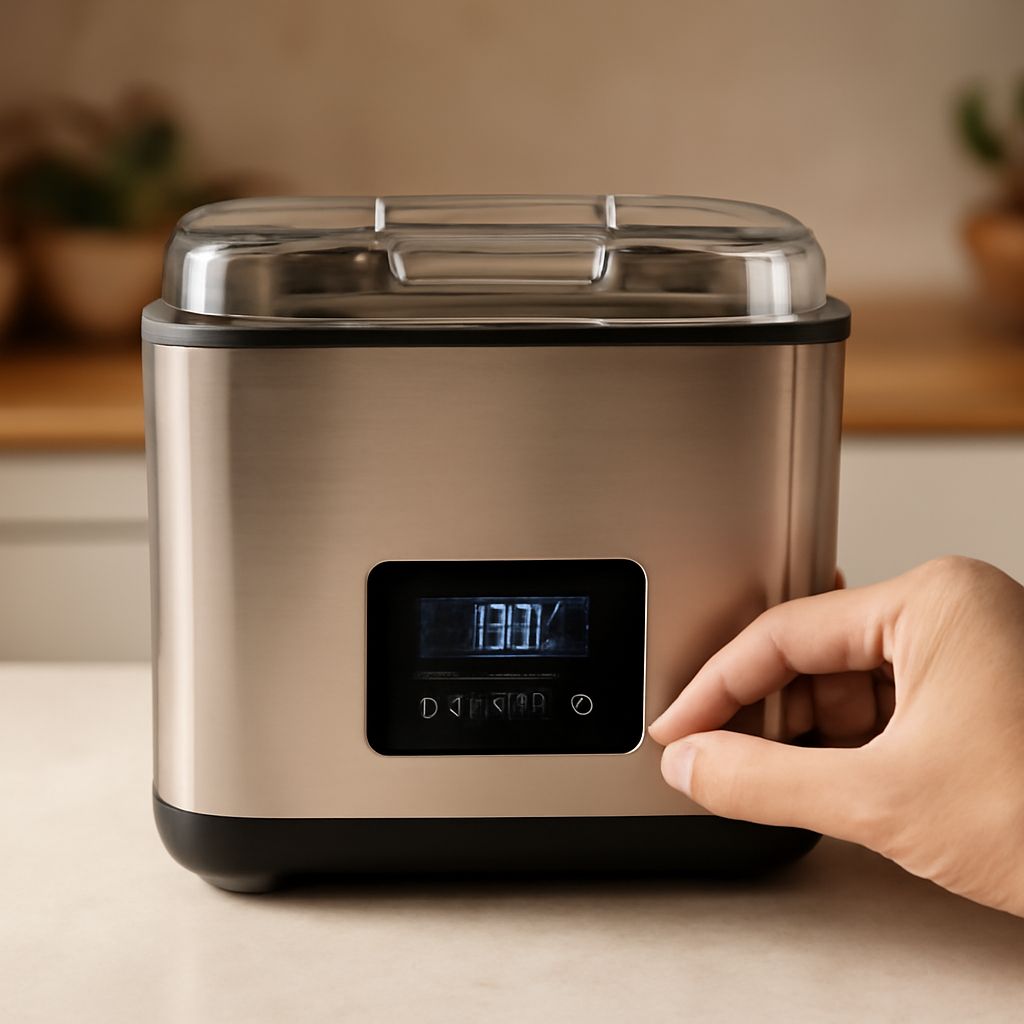
In recent years, sous vide cooking has gained popularity among culinary enthusiasts and professional chefs alike. If you’ve ever wondered, “What is sous vide?” or “What is sous vide cooking?” you’re not alone. The term “sous vide” is French for “under vacuum,” describing a cooking method that involves sealing food in a vacuum-sealed bag and cooking it at a precise temperature in a water bath for an extended period. This technique provides unparalleled control over the cooking process, resulting in perfectly cooked meals every time.
Understanding Sous Vide
Sous vide cooking method is all about precision and consistency. By cooking food in a vacuum-sealed bag submerged in a temperature-controlled water bath, you can achieve even cooking without compromising moisture or flavor. The sous-vide cooking technique ensures that food is cooked to the exact level of doneness you desire, eliminating the guesswork often associated with traditional cooking methods. This method is particularly popular for proteins like steak, chicken, and fish, but can also be used for vegetables and even eggs.
How Sous Vide Cooking Works
The sous vide cooking process involves three main components: the vacuum-sealer, the sous vide precision cooker, and the water bath. First, you season the food and place it in a vacuum-sealed bag. Then, you immerse the sealed bag in a water bath heated to a specific temperature using a precision cooker. The cooker maintains the water temperature consistently, allowing the food to cook evenly over several hours. The result is food that is tender, flavorful, and cooked to the exact doneness you prefer.
- Vacuum Sealing: This step removes air from the bag, reducing oxidation and ensuring the food is in direct contact with the heat source.
- Precision Cooking: The sous vide cooker heats the water to a precise temperature, usually between 120°F to 180°F, depending on the type of food.
- Extended Cooking Time: Foods are cooked for anywhere from 1 to 48 hours, allowing flavors to develop deeply and textures to become perfect.
Benefits of the Sous Vide Method
Sous vide cooking offers several benefits that make it a preferred choice for many culinary experts:
- Precision and Consistency: With sous vide, you can achieve the exact level of doneness you want every time, eliminating the risk of undercooking or overcooking.
- Enhanced Flavor: The vacuum seal locks in moisture and flavors, resulting in more intense taste.
- Improved Texture: Slow cooking at precise temperatures allows proteins to break down gently, ensuring tender and succulent textures.
- Versatility: Sous vide is suitable for a wide variety of foods, from meats and seafood to vegetables and desserts.
- Convenience: Once food is in the water bath, it requires minimal attention, making it ideal for multitasking in the kitchen.
Getting Started with Sous Vide Cooking
To begin sous vide cooking, you’ll need some essential equipment: a quality sous vide precision cooker, vacuum sealer, and durable bags. Here’s how to get started:
- Choose Your Equipment: Invest in a reliable sous vide cooker and vacuum sealer. Brands like Anova and Joule are popular choices.
- Season and Seal: Prepare your food by seasoning it and adding any herbs or spices you desire. Place it in a vacuum-sealed bag.
- Set the Temperature: Use your sous vide cooker to heat the water to the desired temperature for your specific food type.
- Cook the Food: Submerge the sealed bag in the water bath and let it cook for the recommended duration.
- Finish with a Sear: After cooking, quickly sear proteins in a hot pan to develop flavor and texture.
Common Mistakes in Sous Vide Cooking
While sous vide is generally straightforward, there are common pitfalls to avoid:
- Incorrect Temperature Settings: Ensure you set the right temperature for the specific food you’re cooking.
- Poor Vacuum Sealing: Make sure bags are properly sealed, as leaks can affect cooking outcomes.
- Overcrowding the Water Bath: Avoid placing too many bags in the water bath at once, which can lead to uneven cooking.
- Skipping the Sear: Always sear proteins after sous vide to enhance flavor and texture.
- Inadequate Cooking Time: Follow recommended cooking times to ensure food is properly cooked.
With these insights, you’re ready to explore the world of sous vide cooking. This method offers unparalleled control over cooking temperatures and times, ensuring you produce perfectly cooked dishes. Whether you’re a novice cook or a seasoned chef, sous vide can elevate your culinary creations to new heights.