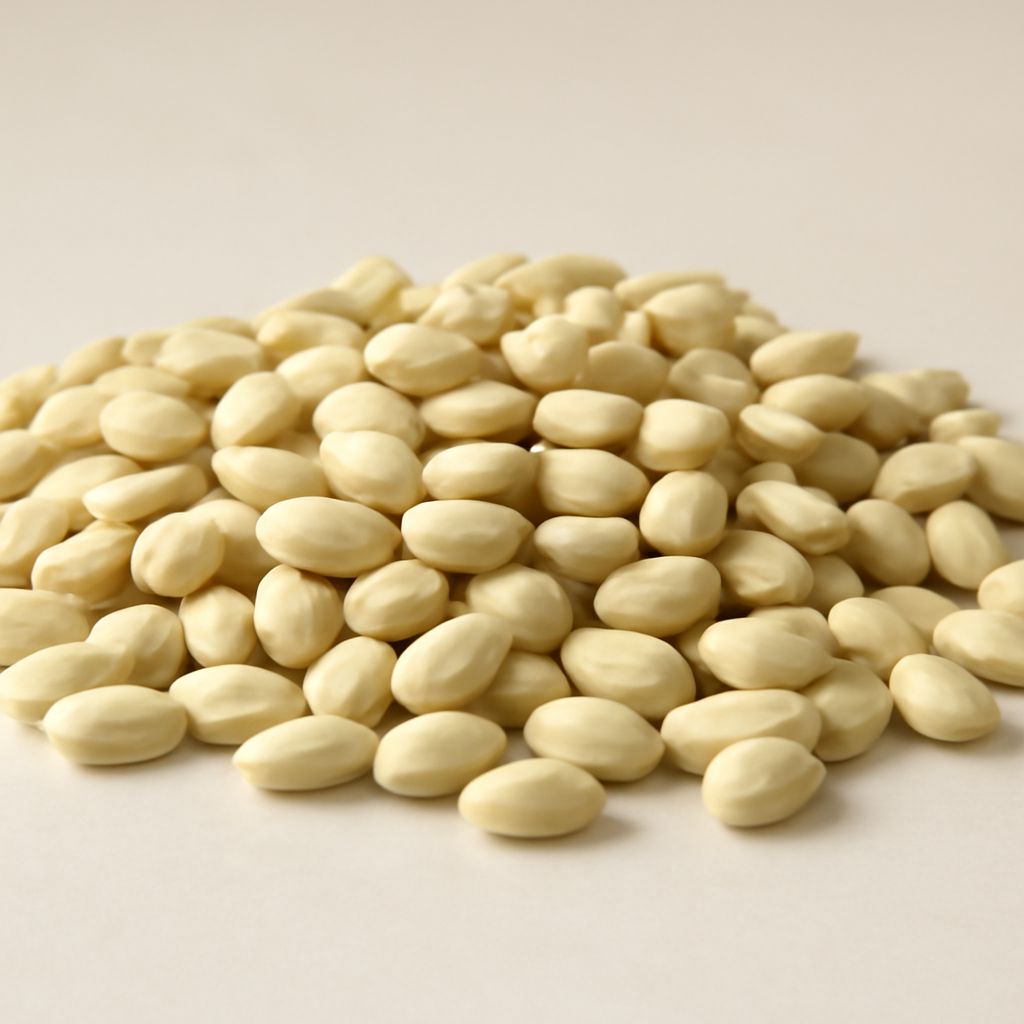
Great Northern beans and cannellini beans are not the same, but they are close enough that you can often swap them in everyday cooking. Great Northern beans are smaller, milder, and a little firmer; cannellini beans are larger, creamier, and better at holding a rich, silky texture. If you’re deciding between them, use the bean that matches the texture you want most.
In most recipes, great northern beans vs cannellini beans comes down to shape retention versus creaminess. Both are white beans, both work well in soups and stews, and both can stand in for one another when you need a practical substitute.
Are Great Northern and Cannellini Beans the Same?
No. Great Northern beans and cannellini beans are distinct white bean varieties with different size, texture, and cooking behavior. They belong to the same general family of beans, which is why they often overlap in recipes, but they are not interchangeable in a strict sense.
Great Northern beans are usually smaller and more delicate. Cannellini beans, sometimes called white kidney beans, are larger and more substantial. If you compare cannellini vs great northern side by side, the biggest difference you’ll notice is that cannellini beans tend to stay creamier and fuller on the plate, while Great Northern beans stay a little lighter and more restrained.
Size, Texture, and Flavor Compared
Here’s the practical difference when you’re cooking:
- Size: Great Northern beans are medium-sized; cannellini beans are larger and more kidney-shaped.
- Skin: Great Northern beans have a thinner, more delicate skin; cannellini beans have a slightly sturdier skin.
- Texture: Great Northern beans cook up tender but hold their shape with a modest bite. Cannellini beans turn softer and creamier.
- Creaminess: Cannellini beans are the better choice when you want a velvety texture. Great Northern beans are creamier than many other white beans, but less lush than cannellini.
- Flavor: Great Northern beans are mild and clean-tasting. Cannellini beans are also mild, but they read a little richer and more buttery.
Cooking behavior matters too. Great Northern beans usually absorb flavors well without breaking down too much. Cannellini beans soften more readily, which makes them useful when you want a thicker broth or a bean that almost melts into a dish.
Best Uses for Each Bean
Soups, stews, and slow-cooked dishes
Both beans work well in soups and stews, but they shine in slightly different ways. Use Great Northern beans when you want the beans to stay intact in a brothy soup, vegetable stew, or cassoulet-style dish. They keep a cleaner shape and give you a lighter spoonful.
Choose cannellini beans when you want a more luxurious, creamy result. They do especially well in minestrone, Tuscan-style bean soups, braises, and long-simmered dishes where some bean breakdown is welcome. If the recipe benefits from body and a soft texture, cannellini usually wins.
Salads, purees, and shape retention
For bean salads, Great Northern beans are often the safer pick if you want each bean to stay distinct after tossing with dressing. They hold up nicely without feeling heavy.
Cannellini beans are excellent for purees, spreads, dips, and mashed bean dishes because they blend into a smoother, creamier consistency. If you’re making a white bean dip or a silky puree, cannellini gives you a softer finish with less effort. Great Northern beans can still work, but the result is usually a little less rich.
If shape retention matters most, use Great Northern beans. If creaminess matters most, choose cannellini beans.
How to Substitute One for the Other
Canned beans
For canned beans, substitution is straightforward. You can swap one for the other in a 1:1 amount. If you want the dish to stay firmer, lean toward Great Northern beans. If you want a softer, creamier result, use cannellini.
Because canned beans are already cooked, the main adjustment is texture, not timing. Drain and rinse both types unless the recipe specifically wants the canning liquid. If you’re replacing cannellini with Great Northern beans in a puree or soup, expect a slightly less velvety finish. If you’re replacing Great Northern beans with cannellini in a salad, stir more gently so the softer beans don’t mash.
Dried beans
Dried beans are also swappable in most recipes, but they may not cook at exactly the same rate. Cannellini beans often take a little longer to reach a creamy texture, while Great Northern beans may soften a bit sooner and stay more intact. Soak and cook each type according to the recipe, then check for doneness by taste rather than relying only on the clock.
Use the bean that matches the outcome you want:
- Choose Great Northern beans when you want cleaner shape, lighter texture, and a bean that stays distinct in soups or salads.
- Choose cannellini beans when you want a richer mouthfeel, softer bite, and better results in purees and slow-cooked dishes.