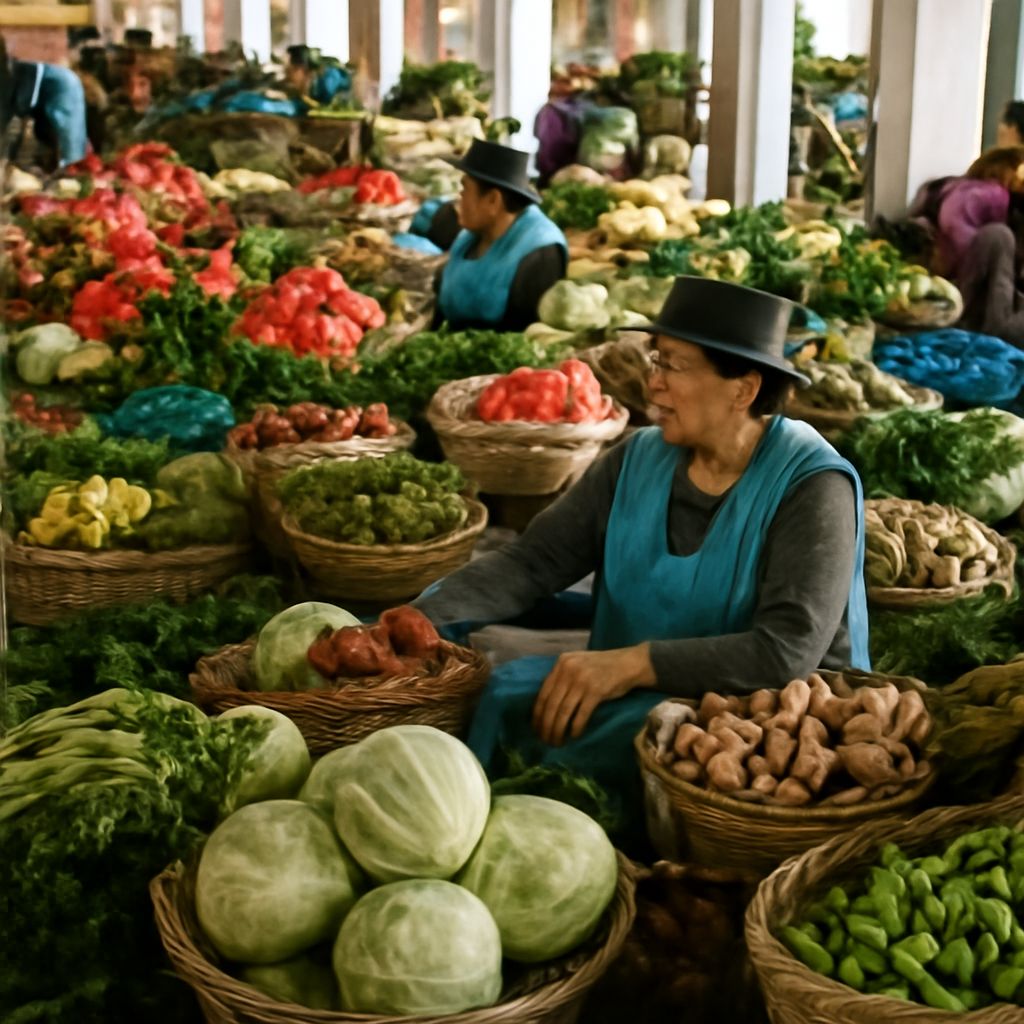
Bolivian food is hearty, layered, and built for altitude, climate, and local produce. If you want a quick read on the cuisine, start with potatoes, corn, quinoa, peanuts, chiles, and regional meats like beef, chicken, llama, and fish. Those ingredients show up in stews, soups, baked pastries, grilled meats, and street foods that change noticeably from the highlands to the valleys and lowlands.
What makes Bolivian dishes memorable is the way they balance comfort and contrast: thick broths with bright llajwa salsa, savory fillings inside baked dough, or roasted meat served with corn, potato, and spicy sides. You can taste both Indigenous Andean traditions and regional influences in the same meal, but not in the same way everywhere in the country.
What Defines Bolivian Food
Bolivian food usually centers on a starch, a protein, and a sauce or broth. In the highlands, that often means potato, chuño, corn, and quinoa, with lamb, beef, pork, or llama. In the eastern lowlands, you see more rice, yucca, plantains, and river fish. In the valleys, meals often blend both worlds, with corn-based dishes, chicken, pork, vegetables, and fruit-forward flavors.
The flavor base is usually savory rather than overly spicy. Chiles matter, but they often appear as a condiment or a cooked sauce instead of overwhelming heat. Peanuts add body and richness to soups and stews, while herbs like huacataya and quirquiña bring a sharp, green note. Bread, potatoes, corn, and broth-based dishes make Bolivian traditional food filling enough for lunch, the main meal of the day in many homes.
Many Bolivian foods are also designed for sharing or for eating by hand. You will find stuffed breads, corn cakes, grilled meats, and soups that come with their own accompaniments. That practical structure is one reason the cuisine feels so grounded and regional at the same time.
Traditional Bolivian Dishes to Know
These Bolivian dishes give you a useful starting point because each one shows a different side of the cuisine:
- Sajta de pollo — A highland-style chicken dish with a peanut-thickened sauce, potatoes, peas, and spices. You usually eat it as a lunch plate, often with rice and llajwa.
- Salteñas — Baked, slightly sweet hand pies filled with beef, chicken, or pork, potatoes, peas, olives, and a juicy, seasoned sauce. People often eat them mid-morning as a snack, and they require careful biting because of the broth inside.
- Silpancho — A large plate from the Cochabamba area with rice, potatoes, a thin breaded beef cutlet, fried egg, and chopped salad. It is a filling meal that shows the valley preference for generous portions and layered textures.
- Pique macho — A shareable platter of beef, sausage, potatoes, onions, peppers, and often boiled eggs. It is rich, salty, and commonly served as a late meal or for groups.
- Api con pastel — Sweet purple or yellow corn drink served with a fried cheese pastry. You will often see it as breakfast or a cold-weather snack, especially in highland cities.
- Chairo — A hearty soup with beef or lamb, chuño, potatoes, corn, vegetables, and herbs. It is a classic highland meal for cold days and shows how preserved potato supports Andean cooking.
- Fricasé — Pork stew with hominy, ají, and a thick broth. It is usually served at breakfast or lunch and often appears at festive gatherings.
- Anticuchos — Skewers of marinated beef heart grilled over open heat, usually served with potatoes and spicy sauce. You will find them as an evening street food in many cities.
- Cuñapé — Small, chewy cheese breads made with yucca starch and regional cheese. They are common in the east and work as a snack, breakfast item, or side with coffee.
- Masaco — A mashed mix of plantain or yucca with charque, cheese, or pork, especially associated with the lowlands. It is simple, filling, and built around local staples rather than wheat.
These dishes are more than names. Each one tells you how Bolivian traditional food works in daily life: soups for cold highland mornings, snack foods for the street, and heavier plates for the main meal of the day.
Regional Ingredients and Cooking Styles
If you want to understand bolivian foods, start by looking at region. The highlands favor endurance ingredients: potatoes in many forms, chuño made from freeze-dried potatoes, quinoa, llama, lamb, and dried meats. Cooking leans toward soups, stews, boiled grains, and baked or fried doughs that hold up in cold weather and at altitude.
The valleys, especially around Cochabamba and Sucre, tend to mix Andean staples with more abundant produce and meat. You get corn cakes, pork dishes, chicken stews, fresh vegetables, and more elaborate plated meals. This region often feels like the bridge between mountain and lowland cooking.
The lowlands shift toward rice, yucca, plantains, fish, and tropical fruits. Beef and chicken are common, but so are preparations that use local herbs and smoky grilling. In Santa Cruz and Beni, you will also see more sweet-savory contrast and dishes that feel lighter in starch texture but still generous in portion size.
Several ingredients connect the regions even when the dishes differ. Corn appears as kernels, flour, hominy, drink, and pastry. Peanuts thicken sauces and soups. Chiles, especially ají varieties, bring color and aroma. Quinoa can show up in soups, salads, or breakfast-style bowls, while potatoes remain the most familiar anchor across much of the country.
Cooking styles also matter. Boiling and stewing are common in the Andes, baking is central for salteñas and breads, and grilling is important for street food and meat dishes. You will also notice that many recipes rely on a finishing sauce rather than heavy seasoning during cooking. Llajwa, made with chile, tomato, and herbs, is the most recognizable example.
Drinks, Accompaniments, and How Meals Are Served
Bolivian meals usually come with a drink, sauce, or side that changes the experience. Api is one of the most distinctive drinks: a warm, sweet corn beverage often flavored with cinnamon and clove. It pairs naturally with pastel, a fried cheese pastry, and works especially well in the morning or on cool days.
For savory meals, llajwa is the most important condiment to know. This fresh chile-tomato sauce can be mild or fiery depending on the pepper used, and it often appears with soups, grilled meats, potatoes, empanadas, and rice plates. Some regions also use a peanut sauce or a cooked ají sauce to add richness.
Bread matters too. You may get marraqueta-style rolls, soft local breads, or cheese breads like cuñapé and sonso in the east. These are not just extras; they often help round out a meal or replace a side dish when the main plate already contains enough starch.
Common accompaniments include boiled potatoes, mote or hominy, rice, salad, fried egg, and chuño. In practice, that means a plate of bolivian food often arrives as a complete combination rather than a single centerpiece. A soup may include its own potatoes and corn. A meat dish may come with rice, salad, and salsa. A street snack may be designed to be eaten standing up, with a drink in one hand and llajwa nearby.
If you are sampling bolivian dishes for the first time, pay attention to the meal setting. Breakfast can be sweet corn drinks or bread with cheese. Lunch is usually the biggest, most structured meal. Evening food can shift toward anticuchos, soups, or lighter snacks. That rhythm helps you understand not just what Bolivian food tastes like, but how it is actually eaten.