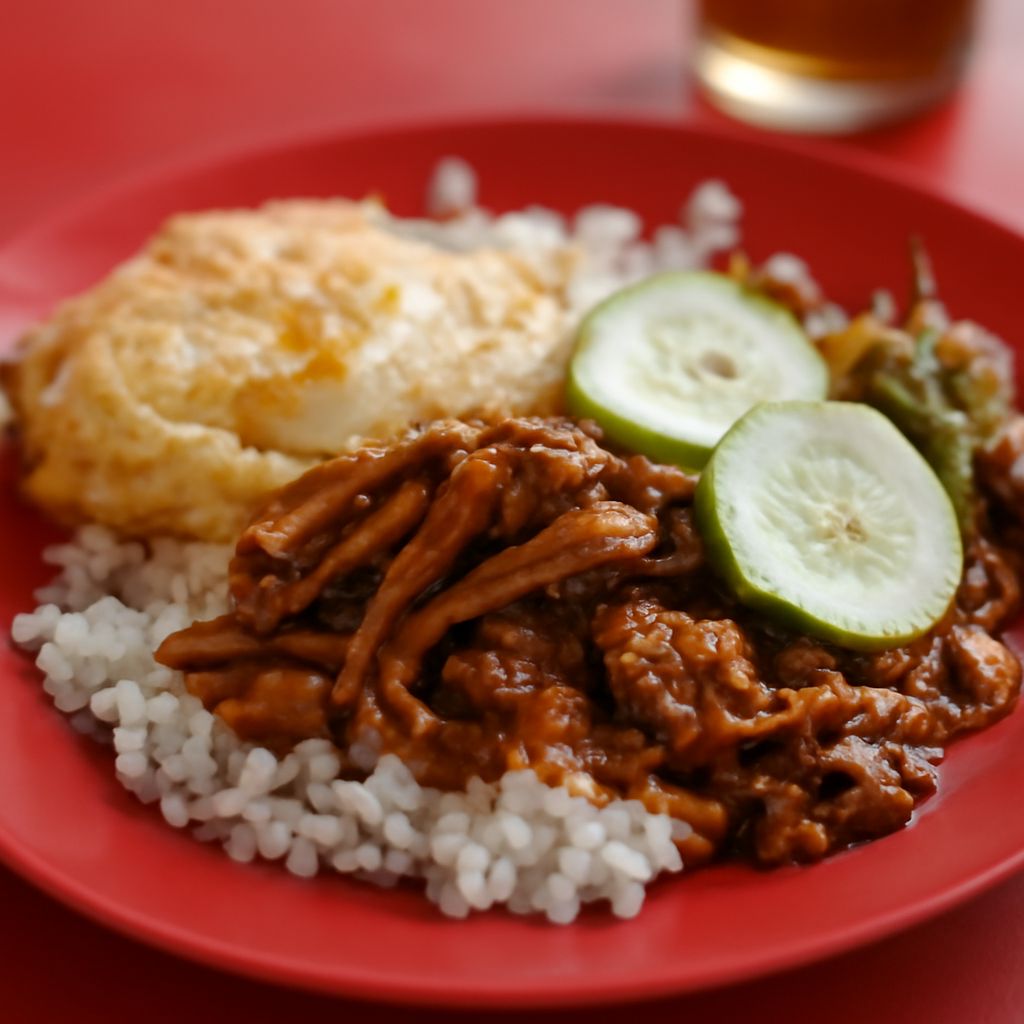
Malaysian food gives you a high-payoff mix of rice, noodles, curries, grilled meats, seafood, and bold condiments. If you want the shortest useful answer: start with nasi lemak, char kway teow, laksa, satay, and roti canai. Those dishes show the range of Malaysian cuisine without making you guess what to try first.
Use this guide to choose by flavor, heat, dietary fit, and how you plan to eat it—at a restaurant, from a hawker stall, or from Malaysian recipes at home. You’ll also see where Malaysia food differs from nearby Cambodian food, so you can pick the style you actually want.
Malaysian Food: Main Options
Rice and noodle staples
These are the core dishes to look for when you want a full meal. They cover the widest range of Malaysian food and are usually the safest first order.
- Nasi lemak — Coconut rice served with sambal, egg, peanuts, anchovies, and cucumber. It’s the classic entry point for malaysia food because it balances rich, salty, sweet, and spicy flavors.
- Char kway teow — Stir-fried flat noodles with soy sauce, egg, bean sprouts, chives, and often shrimp or Chinese sausage. Best if you want something smoky and satisfying.
- Hokkien mee — Noodles in a dark, savory sauce or broth, depending on the region. Order this when you want a deeper umami profile.
- Bee hoon or mee goreng — Fried rice vermicelli or fried noodles with egg, vegetables, and protein. Good for a flexible, quick meal.
- Laksa — A noodle soup with many regional versions. Curry laksa is creamy and rich; assam laksa is tangy, fish-based, and sharper.
Street food and snacks
Street-food dishes are often the easiest way to sample Malaysian food in smaller portions. They also help you compare sweet, savory, and spicy flavors without committing to one heavy plate.
- Satay — Skewered, grilled meat with peanut sauce, rice cakes, and onions. A reliable first choice for most diners.
- Roti canai — Flaky flatbread usually served with curry. Order it for breakfast, a snack, or a light meal.
- Kuih — Small snacks and desserts, often colorful and coconut-forward. Useful if you want to try Malaysian cuisine beyond main dishes.
- Popiah — Fresh spring rolls with vegetables, egg, and sometimes shrimp or jicama. A lighter option than fried snacks.
- Otak-otak — Spiced fish cake, often grilled or wrapped in leaf. Best when you want something fragrant and savory.
Curries, soups, and sambals
These dishes define the depth of malaysian cuisine. They bring the heat, aroma, and layered seasoning that make the food stand out.
- Chicken curry — Usually coconut-based and medium-bodied, with turmeric, chile, and spice blends. A good match for rice or roti.
- Fish head curry — A richer, more assertive dish with tangy curry gravy and vegetables. Try it when you want a more complex plate.
- Sambal — The essential chile paste or sauce in many Malaysian recipes. It can be sweet, sharp, smoky, or aggressively hot.
- Bak kut teh — Herbal pork rib soup, especially common in some communities. It’s warming, savory, and less spicy than many other Malaysian food options.
- Tom yum-style local soups — Not uniquely Malaysian, but often adapted in Malaysia with local ingredients and sour-spicy balance.
Compare Malaysian Food by the Criteria That Matter
Heat level and spice
If you care about spice tolerance, choose dishes by how the chile shows up. In Malaysian food, heat can come from sambal, curry pastes, fresh chiles, or dried chile oils.
- Mild to medium: roti canai, nasi lemak with moderate sambal, satay with light sauce, popiah
- Medium to hot: curry laksa, mee goreng with chile, chicken curry, otak-otak
- Hotter and sharper: assam laksa, extra-sambal rice plates, some regional noodle dishes
If you want flavor without too much burn, ask for sambal on the side. That gives you control and makes malaysia food easier to enjoy on the first try.
Vegetarian, meat, and seafood options
You can choose Malaysian food by protein style without losing the cuisine’s character.
- Vegetarian-friendly: roti canai, vegetable popiah, certain nasi lemak versions, vegetable fried noodles, kuih
- Meat-forward: satay, chicken curry, char kway teow with sausage or chicken, bak kut teh
- Seafood-forward: laksa, assam-based soups, prawn noodles, fried noodles with shrimp, otak-otak
For home cooking, Malaysian recipes often let you swap proteins easily. You can replace chicken with tofu, shrimp with mushrooms, or pork with beef in many dishes, while keeping the spice base intact.
Best dishes for first-time diners
If you are new to malaysian food, start with dishes that are recognizable but still distinctively local.
- Nasi lemak — Best all-around introduction to flavor balance.
- Satay — Easy to like, easy to share.
- Roti canai — Simple texture, clear curry pairing.
- Char kway teow — Great if you want something savory and familiar with a local twist.
- Curry laksa — Best when you want a richer, more layered bowl.
If you prefer bright, tangy food, choose assam laksa first. If you prefer creamy comfort food, choose curry laksa. That single decision narrows the malaysia food menu fast.
Choose and Use Malaysian Food
What to order at a restaurant
Order based on the meal format you want. The best Malaysian cuisine choices are the ones that match your appetite and setting.
- For breakfast or brunch: roti canai, nasi lemak, kuih, soft-boiled eggs with toast-style sides
- For lunch: char kway teow, mee goreng, chicken rice with Malaysian-style sides, laksa
- For dinner: curry dishes, satay sets, seafood noodles, fish head curry
- For sharing: satay, roti canai, multiple small plates, kuih assortments
If the menu is large, anchor your order with one rice dish, one noodle dish, and one snack. That gives you the widest read on Malaysian food in a single meal.
What to cook from Malaysian recipes
If you want to cook at home, begin with Malaysian recipes that use a manageable ingredient list but still deliver the right flavor profile.
- Easiest starter recipes: roti canai with store-bought flatbread, simple nasi lemak, basic satay with peanut sauce, quick mee goreng
- Medium difficulty: curry laksa, char kway teow, sambal-based noodle dishes
- More involved: layered curries, regional laksa styles, kuih that require steaming or specific textures
Stock a few core ingredients and you can cover a lot of malaysian cuisine: coconut milk, shrimp paste or fish sauce, soy sauce, dried chiles, fresh chiles, lemongrass, galangal or ginger, turmeric, and rice or noodles. If you have those, you can adapt many Malaysian recipes without chasing a long shopping list.
For best results, cook the sauce or spice paste first, then add your protein and vegetables. That sequence builds the aroma that makes Malaysia food taste complete rather than flat.
Simple swaps for home cooking
You can make Malaysian food more practical by adjusting for what you already have.
- Swap proteins: use tofu, tempeh, chicken, shrimp, beef, or mushrooms depending on diet and budget.
- Adjust heat: reduce chile paste for mild eaters; serve extra sambal separately for spice lovers.
- Adjust richness: use more coconut milk for a softer curry, or dilute with stock for a lighter bowl.
- Adjust carbs: serve sauces over rice, noodles, or roti depending on the meal.
If you are comparing malaysian food with malasian food as a search term variation, treat it the same way in practice: you’re usually looking for Malaysian dishes, flavors, and recipes, not a separate cuisine.
Malaysian Cuisine and Closely Related Regional Flavors
How Malaysian food differs from Cambodian food
Malaysian food and Cambodian food can overlap in Southeast Asian freshness, herbs, and rice-based meals, but they feel different on the plate. Malaysian cuisine usually leans harder into coconut milk, sambal, fermented pastes, and bold layered spice. Cambodian food often feels lighter, more herb-driven, and more restrained in chile heat.
If you want richer curry, deeper savory sauces, and stronger chile complexity, choose Malaysian food. If you want a gentler profile with more subtle herb notes, Cambodian food may fit better.
Shared ingredients across Southeast Asia
You’ll see many of the same building blocks across the region: rice, noodles, coconut, fish, fresh herbs, lime, garlic, chile, and grilled meats. The difference is how they combine.
- Malaysia food: more likely to spotlight sambal, coconut gravy, and strong contrasts of sweet, salty, spicy, and tangy
- Cambodian food: more likely to emphasize balance, freshness, and a softer spice profile
That distinction helps when you’re choosing a restaurant, shopping for ingredients, or following malaysian recipes at home. If you want the most representative first order, pick nasi lemak or laksa. If you want the widest snack spread, go with satay, roti canai, and kuih. If you want the strongest flavor payoff, choose curry laksa, assam laksa, or a sambal-forward noodle dish.