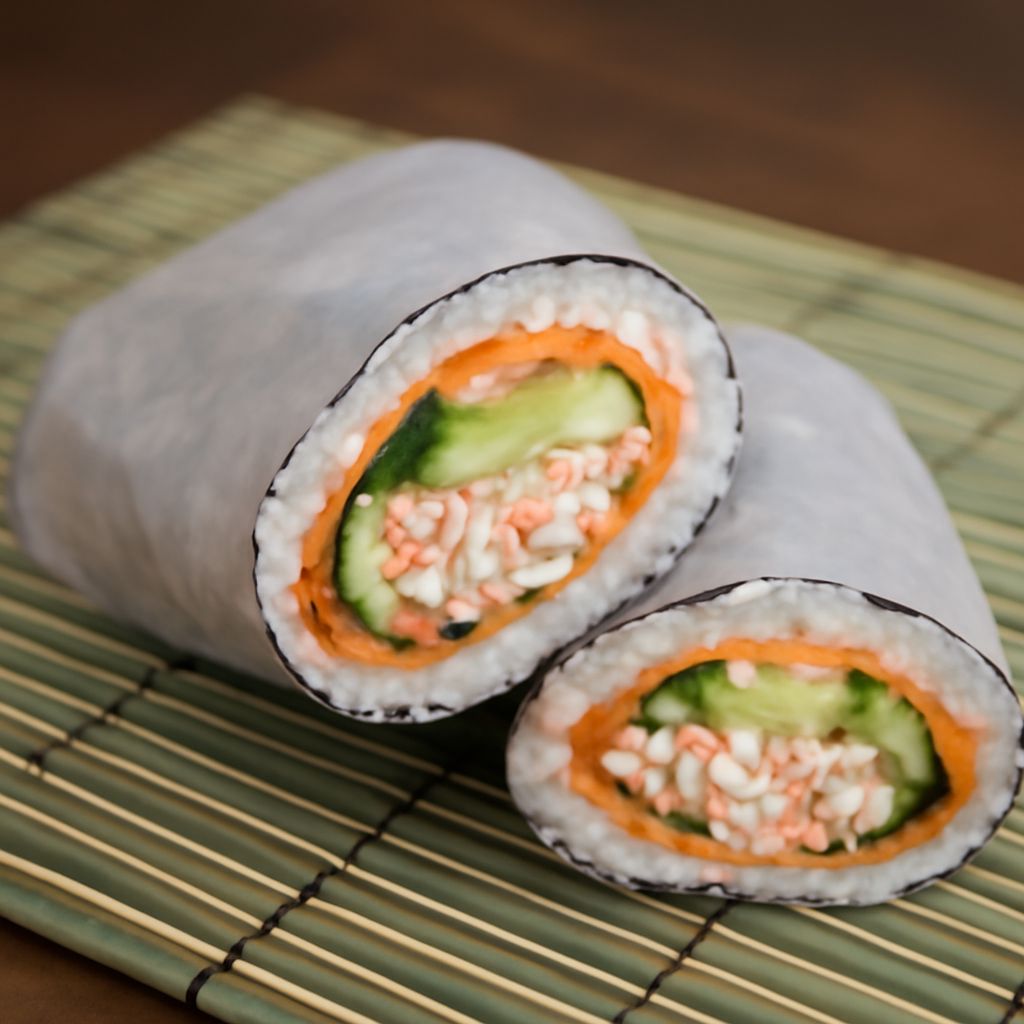
Fusion sushi is sushi that blends Japanese sushi techniques with ingredients, sauces, or formats from other cuisines. You still get the core structure of sushi—seasoned rice, seafood or vegetables, and careful assembly—but the flavors may lean Korean, Mexican, American, Thai, or Latin-inspired. That means you might see spicy mayo, tempura crunch, mango salsa, torched toppings, or even hand-held formats like sushi burritos.
In practice, fusion sushi is less about strict tradition and more about creative flavor combinations. You’ll usually find it at a fusion restaurant or an asian fusion restaurant that wants to offer familiar sushi elements in a more flexible, modern style.
Fusion Sushi: Direct Answer
Fusion sushi is a modern style of sushi that combines traditional sushi foundations with non-Japanese ingredients or presentation styles. If you want the simplest definition: it is sushi adapted for new flavors, new textures, or a different way of eating.
That can mean a classic maki roll filled with avocado, crab, and jalapeño. It can also mean a poke-style bowl, a baked roll with creamy sauce, or sushi burritos wrapped for eating on the go. The shared idea is that the dish keeps a sushi identity while borrowing from another cuisine or format.
You’ll most often see fusion sushi in restaurants that want broad appeal. It can be more approachable than traditional sushi if you prefer cooked seafood, bold sauces, or bigger portions. It can also be a good entry point if raw fish feels intimidating.
How Fusion Sushi Works
Fusion sushi works by keeping one or more sushi basics and changing the rest. The base may still be sushi rice, nori, sashimi-grade fish, or fresh vegetables. The differences usually show up in the fillings, toppings, sauces, and serving style.
Common ways fusion sushi changes the traditional formula
- Ingredients: You may see ingredients like mango, cream cheese, fried chicken, avocado, jalapeño, or cucumber paired with tuna, salmon, or crab.
- Sauces: Restaurants often use spicy mayo, eel sauce, ponzu, aioli, gochujang-based sauces, or sweet chili glaze.
- Textures: Tempura flakes, crispy onions, toasted sesame, seared fish, and crunchy vegetables add contrast.
- Format: A roll may become a bowl, hand roll, burrito, taco, or baked casserole-style dish.
- Flavor balance: Fusion sushi usually aims for a stronger sweet-spicy-savory profile than traditional sushi.
This flexibility is why fusion sushi shows up in so many menus. One fusion restaurant might keep the rice-and-roll structure but swap in Latin flavors. Another may lean into Asian fusion restaurant cooking and combine sushi with Korean, Thai, or Chinese-inspired seasonings.
If you’re comparing it with traditional sushi, the biggest difference is intent. Traditional sushi tends to emphasize simplicity, balance, and ingredient quality. Fusion sushi often emphasizes variety, novelty, and a more layered flavor profile.
Why restaurants use fusion sushi
Restaurants use fusion sushi because it gives them more room to create signature dishes. It also helps them serve diners who want sushi without committing to a fully traditional experience. That matters in busy urban dining rooms, casual lunch spots, and takeout-focused concepts.
For you as a diner, the result is usually a broader menu. You can choose between classic rolls and more adventurous options in the same place. That makes a fusion restaurant useful when a group wants different levels of spice, different protein choices, or a mix of cooked and raw items.
Common Fusion Sushi Examples
You can recognize fusion sushi by the way familiar sushi elements get reworked into something new. Some of the most common examples include:
- Sushi burritos: Large, wrap-style rolls packed with rice, fish, vegetables, and sauce, then folded like a burrito for easy eating.
- Spicy California-style rolls: Crab or imitation crab mixed with spicy mayo, avocado, cucumber, and crunchy toppings.
- Tempura rolls: Rolls that include battered and fried shrimp, vegetables, or even whole roll components for extra crunch.
- Baked rolls: Sushi rolls topped with baked seafood mixtures, creamy sauces, or melted cheese-style toppings.
- Latin-inspired rolls: Rolls that add jalapeño, cilantro, mango, chipotle, or salsa-style toppings.
- Korean-influenced rolls: Rolls that use gochujang sauce, bulgogi-style meat, kimchi, or sesame-heavy seasoning.
- Fusion bowls: Deconstructed sushi served over rice with fish, vegetables, seaweed, sauce, and garnish.
Some places also build their menu around a single signature item. For example, a restaurant may be known for a torched salmon roll, a sushi burrito loaded with spicy tuna, or a bowl that combines sushi rice with grilled shrimp and avocado. These dishes are fusion because they change the form or flavor while keeping sushi’s essential ingredients recognizable.
You’ll also see the phrase a sushi used informally in menus or searches when people mean a sushi item, usually a roll or single serving. In fusion settings, that can refer to one creative roll, one burrito-style wrap, or one composed bowl rather than a full traditional sushi selection.
How to Recognize or Choose a Fusion Restaurant
If you want fusion sushi, look for a restaurant that clearly mixes sushi with other style cues. The menu often gives it away before you even order. A fusion restaurant typically lists rolls with unconventional fillings, large sauce finishes, or nontraditional serving styles like burritos and bowls.
What to look for on the menu
- Broad ingredient list: The menu includes items like mango, cream cheese, jalapeño, tempura crunch, or grilled meats alongside fish and rice.
- Cross-cuisine naming: Roll names may reference spicy, tropical, Latin, Korean, or American-inspired flavors.
- Multiple formats: You may see rolls, hand rolls, bowls, and sushi burritos in the same section.
- Cooked options: Many fusion spots offer baked, fried, or seared items that appeal to diners who avoid raw fish.
- Shareable, casual style: The dining experience may feel more relaxed than a traditional sushi bar.
When fusion sushi is the better choice
Fusion sushi is a smart choice when you want bold flavors, larger portions, or a menu that suits a mixed group. It’s especially useful if some people want classic sushi while others want something more filling or more familiar.
Choose a more traditional sushi place if you want a minimalist experience focused on raw fish quality, nigiri, and subtle seasoning. Choose an asian fusion restaurant or a fusion restaurant if you want creativity, variety, and dishes that stretch beyond standard sushi norms.
If you’re ordering for the first time, start with one signature roll and one simpler item. A spicy roll, a sushi burrito, or a tempura-based roll will show you how the kitchen approaches flavor and texture. If you like that balance, you can move toward more adventurous combinations on your next visit.