Traditional Lebanese food is easy to choose well once you know the core dishes and what each one does best. If you want the best Lebanese food for a first meal, start with a mix of mezze, a few grilled or baked mains, and one fresh salad. That gives you the widest range of flavors without ordering too much of any one style.
The strongest traditional Lebanese food choices are the ones that balance creaminess, herbs, smoke, citrus, and warm spices. Use the shortlist below to pick dishes by appetite, occasion, and how heavy or light you want the meal to feel.
Traditional Lebanese Food: Main Options
These are the classic Lebanese foods you’re most likely to see on a menu, at a family table, or in a meze spread. If you only try a few, start here.
- Hummus — blended chickpeas, tahini, lemon, and garlic. It’s creamy, nutty, and one of the most useful starter dishes.
- Tabbouleh — parsley-heavy salad with tomato, mint, bulgur, lemon, and olive oil. It’s bright, herbal, and very fresh.
- Baba ghanoush — smoky roasted eggplant with tahini and garlic. It works well when you want something softer and more savory than hummus.
- Fattoush — chopped salad with herbs, vegetables, and toasted pita. It brings crunch and acidity, so it pairs well with richer dishes.
- Falafel — fried chickpea or fava bean patties. These are crisp outside, tender inside, and good for a vegetarian main or sandwich filling.
- Shawarma — seasoned meat cooked on a spit, usually chicken or beef. It’s one of the most popular best Lebanese food choices for a filling meal.
- Kafta — ground meat mixed with onion, parsley, and spices, shaped into skewers or patties. It has a straightforward grilled flavor and works well with rice or salad.
- Manakish — flatbread often topped with za’atar, cheese, or meat. Think of it as the Lebanese answer to a quick breakfast or snack.
- Warak enab — grape leaves stuffed with rice, herbs, and sometimes meat. They’re small, tangy, and often served as part of a mezze spread.
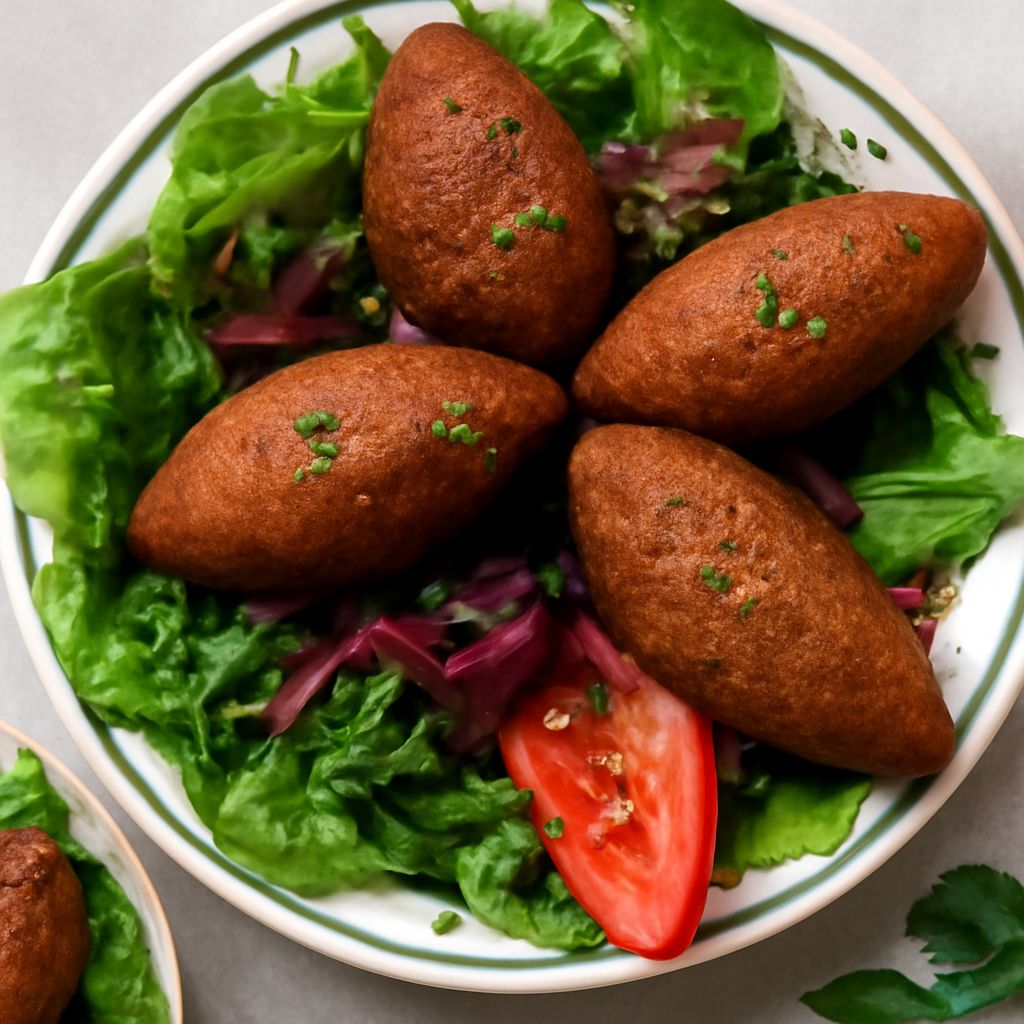
- Kibbeh — bulgur and spiced meat, often baked or fried. It’s more filling than most starters and gives you a deeper, earthier flavor profile.
If you’re building a first-order meal, a good formula is one dip, one salad, one grilled item, and one bread or rice side. That combination covers most traditional Lebanese food flavors without repeating textures.
Compare Traditional Lebanese Food by What Matters Most
The best Lebanese food for you depends less on the dish name and more on how you want the meal to feel. Use flavor, richness, and meal size to narrow the options fast.
Flavor and richness
If you want fresh and light, choose tabbouleh, fattoush, or warak enab. These dishes lean on herbs, lemon, and vegetables, so they feel bright and balanced.
If you want creamy and savory, go with hummus or baba ghanoush. Hummus is milder and more familiar; baba ghanoush has a smokier edge and usually tastes more complex.
If you want deep and filling, choose shawarma, kafta, or kibbeh. These lebanese food names usually signal a more substantial plate, often with meat, warm spices, and a stronger cooked flavor.
If you want crispy and snackable, falafel and manakish are the easiest picks. They work well when you want a quick bite rather than a long sit-down spread.
Best use cases
For sharing, mezze-style dishes are the best fit. Hummus, baba ghanoush, tabbouleh, fattoush, and warak enab let you sample several lebanese foods at once and keep the meal varied.
For a full lunch or dinner, lean toward shawarma, kafta, kibbeh, or manakish with sides. These dishes hold up well as a main plate and satisfy bigger appetites.
For a vegetarian meal, falafel, hummus, tabbouleh, fattoush, baba ghanoush, and manakish give you enough protein, crunch, and freshness without relying on meat.
For something easy to recognize on a first visit, start with hummus, falafel, shawarma, and tabbouleh. Those are the most approachable traditional Lebanese food choices for many first-time diners.
Choose the Right Lebanese Foods for Your Meal
You’ll get the best result when you match the dish to the occasion instead of ordering only the most famous item. A balanced Lebanese meal usually combines cold mezze, a warm main, and something crisp or fresh on the side.
For a starter spread
Build your spread around hummus, baba ghanoush, tabbouleh, and fattoush. Add pita bread so you can scoop, wrap, and mix. This setup works best when you want variety and easy sharing.
- Pick hummus if you want the safest crowd-pleaser.
- Pick baba ghanoush if you want more smoke and depth.
- Pick tabbouleh if you want the freshest green dish.
- Pick fattoush if you want crunch and a sharper dressing.
For a filling main
Choose shawarma, kafta, kibbeh, or manakish with a side. These are the best Lebanese food choices when you want a plate that feels complete on its own.
- Shawarma is best if you want bold seasoning and a classic street-food feel.
- Kafta is best if you want grilled meat without heavy sauces.
- Kibbeh is best if you want a richer, more traditional texture and flavor.
- Manakish is best if you want something quick, warm, and customizable.
For a lighter option
If you want to keep the meal light, focus on vegetables, herbs, and smaller portions. A plate of tabbouleh with hummus and a little falafel gives you enough substance without feeling heavy.
That approach is especially useful when you want traditional Lebanese food for lunch, a shared appetizer course, or a meal that leaves room for dessert. It also helps if you like choosing several lebanese foods instead of one large entrée.
Traditional Lebanese Food Names to Know
Knowing a few lebanese food names makes ordering easier and helps you spot the right dish quickly. These are the names you’ll use most often and what they usually mean.
- Hummus — chickpea dip
- Baba ghanoush — roasted eggplant dip
- Tabbouleh — parsley salad with bulgur
- Fattoush — chopped salad with pita chips
- Falafel — fried chickpea patties
- Shawarma — spiced meat sandwich or plate
- Kafta — spiced ground meat skewers or patties
- Manakish — topped flatbread
- Warak enab — stuffed grape leaves
- Kibbeh — bulgur and meat dish, baked or fried
- Mujaddara — lentils and rice or lentils and bulgur with onions
- Labneh — strained yogurt, often served with olive oil and herbs
If you’re trying to order the best Lebanese food for the first time, these names cover most of the practical choices. Start with one dip, one salad, one grilled dish, and one bread or rice item, then adjust based on whether you want more smoke, more freshness, or more richness.