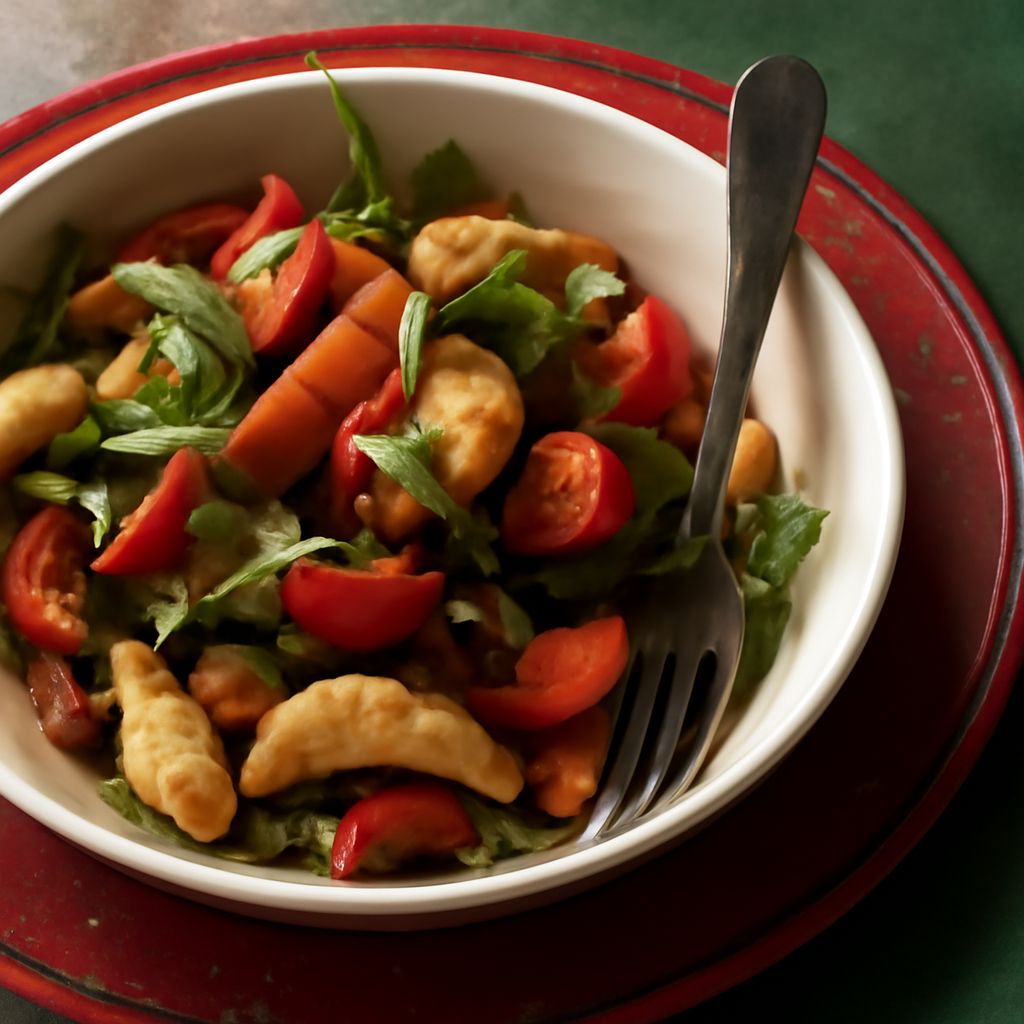
Italian side dishes—called contorni—usually highlight vegetables, beans, potatoes, grains, or bread rather than competing with the main course. You can serve them beside a secondo, such as grilled meat or fish, to add freshness, acidity, color, or a contrasting texture.
Think of the contorno as a flexible part of the meal, not an automatic serving of pasta. Choose a simple vegetable for a rich entrée, a hearty bean or potato side for lean grilled foods, and a bright salad or bread-based dish when the meal needs acidity and texture.
Italian Side Dishes: Sautéed Greens, Braised Fennel, and Roasted Peppers
Vegetable contorni are among the most useful Italian sides because you can adjust them to the season and the richness of the main dish. Olive oil, garlic, herbs, lemon, vinegar, and a small amount of cheese provide most of the flavor.
- Garlic sautéed greens: Sauté sliced garlic and peperoncino in olive oil, then add escarole, chard, spinach, or Tuscan kale. Cover briefly until tender, uncover to evaporate excess water, and finish with salt and lemon. The slightly bitter greens balance pork, sausages, and creamy baked dishes.
- Italian-style braised fennel: Cut fennel bulbs into wedges and brown them in olive oil. Add a splash of vegetable stock or white wine, cover, and cook until tender. Finish with lemon zest or grated Parmesan. Its mild sweetness works with roasted chicken, pork, and firm white fish.
- Peperonata: Cook sliced bell peppers with onion, tomatoes, olive oil, and a little vinegar until soft and glossy. Serve it warm or at room temperature with grilled steak, chicken, or sausages. The sweet peppers and tangy finish also cut through salty cured meats.
- Roasted vegetables: Toss zucchini, eggplant, cherry tomatoes, onions, or cauliflower with olive oil, salt, and herbs. Roast at 425°F until browned at the edges and tender inside, usually twintig to 30 minutes depending on the cut. Keep the pieces spaced apart so they roast instead of steam.
- Carciofi trifolati: Thinly slice trimmed artichokes and cook them with garlic, parsley, olive oil, and a little water or white wine. The tender, herbal result suits roast lamb, chicken, and spring fish.
For the best texture, match the cooking method to the vegetable. Sauté tender greens quickly, braise firm fennel or artichokes slowly, and roast vegetables in a single layer. A final squeeze of lemon or splash of red-wine vinegar keeps an oil-rich contorno lively.
Italian Sides: Cannellini Beans, Rosemary Potatoes, and Polenta
Beans, potatoes, and polenta make more substantial Italian sides. They are especially useful when the main course is grilled, lean, or simply seasoned. Use smaller portions when the menu already includes a rich sauce or several courses.
- Fagioli all’uccelletto: Simmer cooked cannellini beans with garlic, sage, olive oil, and crushed tomatoes. The beans should remain intact while the tomato broth thickens around them. Serve with grilled pork, sausages, or rustic chicken.
- Warm cannellini salad: Toss cannellini beans with chopped celery, parsley, red onion, olive oil, and lemon juice. This lighter version pairs with grilled tuna, roasted vegetables, or herb-marinated chicken.
- Rosemary roasted potatoes: Cut potatoes into even chunks, parboil them for five to seven minutes, drain well, and roast with olive oil, rosemary, and garlic at 425°F until crisp. They are a natural match for roast chicken, beef, lamb, and sausages.
- Patate al forno: For a more rustic variation, roast sliced potatoes with onions, tomatoes, oregano, and olive oil. The tomatoes keep the potatoes moist and provide acidity for grilled meats.
- Soft polenta: Whisk cornmeal gradually into simmering salted water or stock and cook until creamy, following the package ratio. Stir in butter or Parmesan only if the main dish is lean. Serve polenta with braised mushrooms, grilled sausage, or roasted meat.
- Grilled polenta: Spread cooked polenta in a shallow pan, chill until firm, slice, and grill or sear until crisp outside. Its toasted surface adds texture beside stewed beans, braised greens, or saucy meat.
Choose beans or polenta when you want the side to absorb juices. Choose potatoes when you want crisp edges and a familiar, hearty texture. If the main course contains cream, cheese, or a heavy reduction, use lemony beans or simply seasoned potatoes instead of enriching the side again.
Italian Side Dish Recipes: Panzanella, Focaccia, and Rice Salads
These Italian side dish recipes add contrast without requiring a complicated cooking schedule. They work well for picnics, summer dinners, buffets, and festive meals where you need dishes that can sit briefly before serving.
- Panzanella: Tear stale rustic bread into pieces and toss it with ripe tomatoes, cucumber, red onion, basil, olive oil, and red-wine vinegar. Let it rest for 20 to 30 minutes so the bread absorbs the tomato juices while retaining some bite. Serve with grilled fish, chicken, or mozzarella.
- Focaccia: Serve squares of olive-oil focaccia plain, or top the dough with rosemary, sliced onion, olives, or tomatoes before baking. It belongs beside soups, braised meats, roasted vegetables, and antipasti; it does not need to replace the main starch in every meal.
- Insalata di riso: Combine cooled rice with peas, roasted peppers, artichokes, olives, tuna, or fresh herbs, then dress it with olive oil and lemon. Keep the vegetables crisp and the dressing light. It suits grilled seafood, picnic meals, and cold-weather roast leftovers.
- Arugula and fennel salad: Toss peppery arugula and thin fennel slices with orange segments, olive oil, and lemon. Add toasted almonds for crunch. The citrus and raw vegetables refresh rich pork, creamy pasta dishes, or fried foods.
- Tomato and mozzarella salad: Layer ripe tomatoes with mozzarella, basil, olive oil, and salt. Add balsamic vinegar sparingly so it does not overwhelm the tomatoes. Serve with grilled chicken, fish, or a summer spread of small plates.
Dress salads shortly before serving, especially when using delicate greens. For bread salads and rice salads, give the mixture time to absorb flavor, then taste again before serving; both grains and bread can soften the seasoning.
Pair an Italian Side Dish with the Main Course: Balance Richness, Acidity, and Season
Start with the main course, then choose a contorno that supplies what it lacks. You usually need only one substantial side and one lighter vegetable or salad.
- Rich braises and roasted meats: Choose sautéed escarole, braised fennel, peperonata, or arugula with citrus. Their bitterness, acidity, or freshness prevents the meal from feeling heavy.
- Grilled steak, lamb, and sausages: Pair them with rosemary potatoes, cannellini beans, grilled polenta, or roasted peppers. Add a sharp green salad if the meat has a rich marinade or sauce.
- Roast chicken and turkey: Use roasted vegetables, artichokes, soft polenta, or a crisp fennel salad. Combine one warm side with one fresh side for contrast.
- Fish and seafood: Favor lemony greens, white bean salad, panzanella, rice salad, or fennel with citrus. Avoid burying delicate fish under heavily seasoned cheese or cream.
- Pasta and risotto: Treat them as the primary starch or primo, then add a small vegetable contorno such as roasted zucchini, braised greens, or a bitter salad. A light side keeps a creamy or meaty pasta from dominating the plate.
- Festive meals: Offer a mix of textures: roasted potatoes or polenta for warmth, a green vegetable for balance, and panzanella, fennel salad, or another acidic dish for freshness. In cooler months, choose braised greens and beans; in spring and summer, emphasize artichokes, tomatoes, peppers, and raw salads.
As a practical serving guide, plan about 1 to 1½ cups of vegetables or salad per person, or ½ to ¾ cup each of beans, potatoes, polenta, rice, or another hearty side. Serve warm contorni warm, keep salads cool, and finish both with enough salt and acid to make the main course taste more complete.