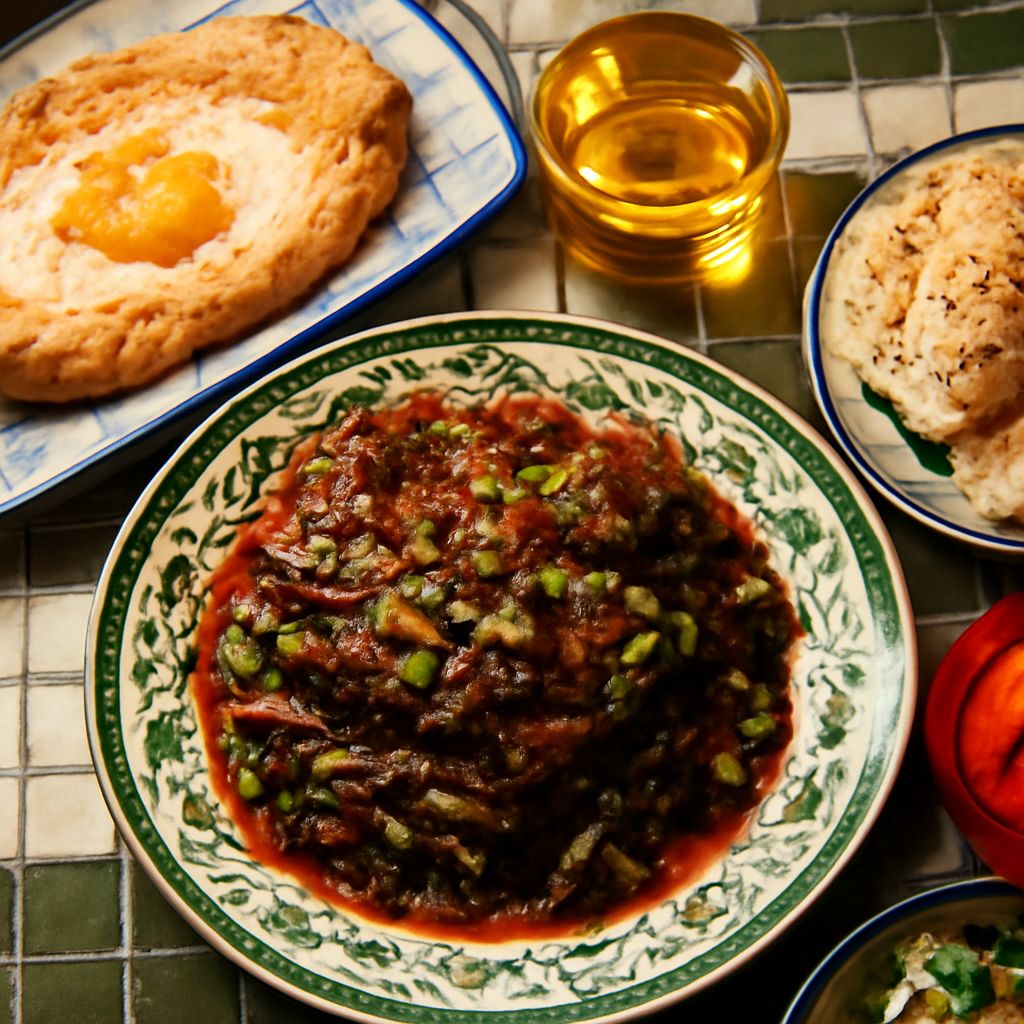
Fusion cuisine combines recognizable ingredients, techniques, or formats from two or more culinary traditions to create a deliberate, coherent dish. You should be able to identify meaningful elements of each source tradition while also seeing how they work together as a new result.
A fusion food dish is not simply any meal that mixes ingredients from different places. The combination needs a reason: complementary flavors, a shared cooking method, a practical format, or a clear cultural and culinary influence.
What Fusion Cuisine Is
Fusion cuisine is the intentional integration of culinary traditions. A chef might pair the spice profile of one tradition with the cooking technique of another, or place familiar ingredients in a format associated with a different food culture.
The finished dish does not need to represent both traditions equally. However, its choices should remain recognizable and purposeful. A Korean-Mexican bulgogi taco, for example, uses Korean-style marinated beef and often Korean seasonings, then places them in a Mexican tortilla-based format with salsa or other taco garnishes. The result is new, but the source influences remain clear.
That distinction matters because a dish can contain unusual ingredients without qualifying as fusion cuisine. A chef who adds one foreign spice for contrast has not necessarily created fusion. The full dish should show deliberate integration rather than a random collection of novelties.
How Fusion Food Combines Traditions
Successful fusion food usually connects traditions through one or more practical relationships:
- Flavor compatibility: Ingredients from different traditions share qualities such as acidity, heat, sweetness, umami, or aromatic depth.
- Cooking compatibility: A technique from one cuisine improves or transforms ingredients associated with another.
- Structural compatibility: A familiar format, such as a taco, dumpling, noodle bowl, or sandwich, gives the combined ingredients a logical form.
- Intentional contrast: Opposing textures or flavors create balance, such as crisp fried food with a bright, acidic sauce.
You can evaluate a combined dish by asking three questions: Can you identify the source traditions? Does each borrowed element serve a function? Does the final dish taste and eat as one composition? If the answer is yes, the dish is more likely to be coherent fusion rather than simple substitution.
Ingredient, Technique, and Format Fusion
Ingredient fusion combines recognizable foods or seasonings from different traditions. Korean barbecue tacos use Korean-marinated meat with Mexican tortillas, salsa, and garnishes. The marinade supplies savory, sweet, and fermented flavors, while the tortilla and toppings provide the taco’s familiar structure.
Technique fusion applies a cooking method from one tradition to ingredients or preparations associated with another. Japanese tempura-style frying can create a light coating for vegetables commonly used in Mexican cooking, such as squash or chile peppers. The technique changes the texture without erasing the ingredients’ original identity.
Format fusion moves a dish or ingredient set into a different culinary form. A sushi burrito uses sushi rice, raw or cooked seafood, nori, and Japanese-style seasonings, but assembles them as a large handheld wrap inspired by the burrito. For the format to work, the fillings must remain balanced enough to slice or eat without losing the dish’s structure.
Many successful fusion foods combine all three approaches. A dish might use Indian spices, Chinese stir-frying, and a noodle-bowl format. The more elements it combines, the more important proportion and purpose become.
Examples of Coherent Fusion Foods: Tex-Mex, Indo-Chinese, and Nikkei
Tex-Mex developed from Mexican culinary traditions and the foodways of Texas and the broader American Southwest. Dishes such as enchiladas covered with chili gravy, or nachos layered with beans, cheese, and jalapeños, show a consistent logic: Mexican ingredients and preparations meet Texas-style beef, chili, dairy, and restaurant formats. Tex-Mex is a regional cuisine, not merely a plate with both Mexican and American ingredients.
Indo-Chinese cuisine combines Chinese cooking methods and sauce traditions with Indian spices, aromatics, and local ingredients. Gobi Manchurian illustrates this relationship: battered cauliflower is fried, then coated in a savory, tangy sauce with ingredients such as ginger, garlic, chile, and scallion. The dish follows a recognizable fried-and-sauced structure while expressing both culinary influences.
Nikkei cuisine grew from Japanese and Peruvian culinary exchange. Tiradito, for example, uses the raw-fish presentation and precise slicing associated with Japanese cuisine alongside Peruvian citrus, chile, and seafood traditions. Its identity comes from the interaction of those elements, not from simply adding soy sauce to a Peruvian dish.
Fusion Cuisine vs. Random Novelty
To distinguish fusion cuisine from a random mash-up, look for design rather than surprise. A coherent dish has a clear base, a controlled number of influences, and a reason each component belongs. Its flavors should support one another, and its texture and format should make sense when you eat it.
Simple ingredient substitution is different. Replacing wheat noodles with another noodle, adding a foreign garnish, or putting an unrelated sauce on a familiar dish may create variation, but it does not automatically create fusion food. Call it fusion when the combination produces a deliberate culinary system with recognizable roots and a unified result.