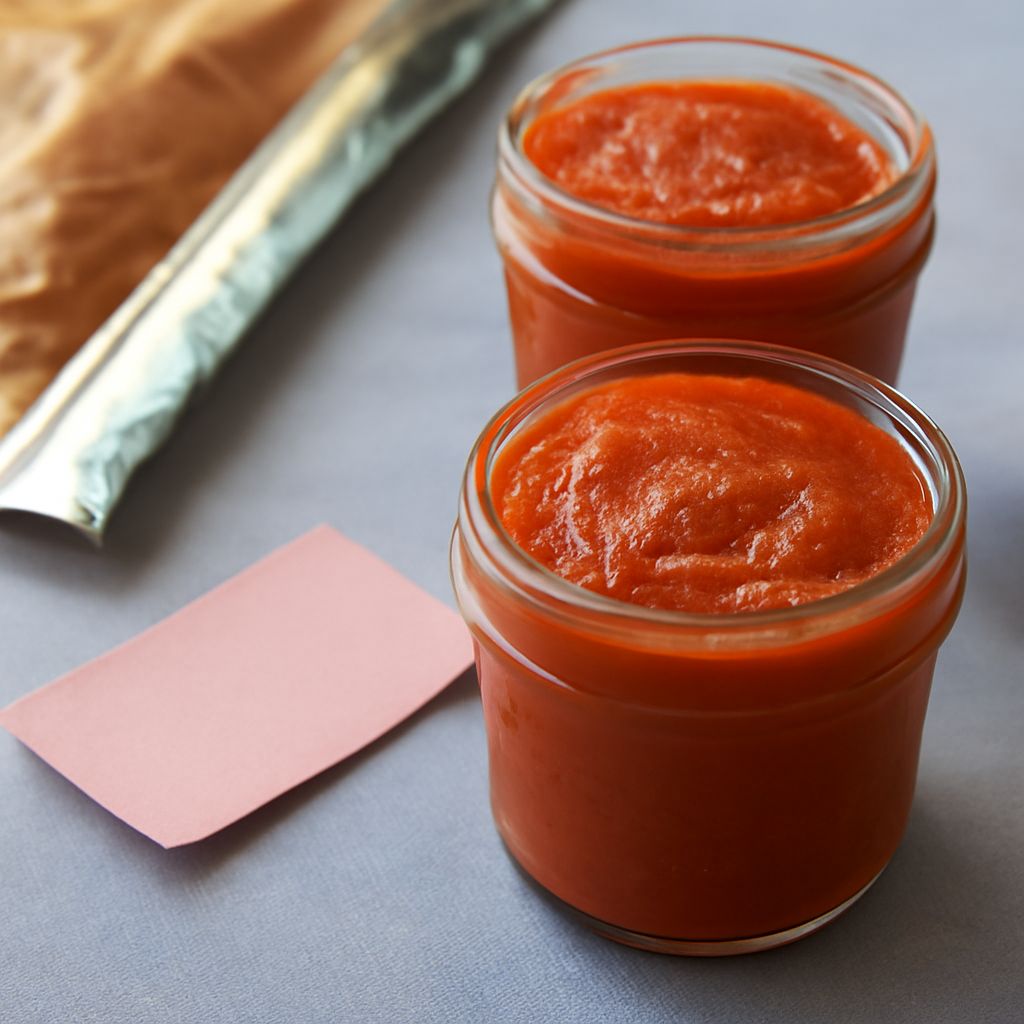
Red curry paste is a Thai seasoning paste made by pounding red chiles with fresh aromatics, dry spices, and savory ingredients. It gives curry, soup, stir-fries, marinades, and dipping sauces concentrated heat, fragrance, salt, and umami.
If you are asking what is red curry paste, the key distinction is that Thai curry paste is a complete aromatic blend, not simply ground red pepper. Its color, heat, salt, and ingredients vary between homemade recipes and packaged brands.
What is red curry paste? Thai Paste vs. Red Spice Blends
Traditional Thai red curry paste combines red chiles with ingredients such as lemongrass, shallot, garlic, galangal, makrut lime peel, and spices. You usually fry the paste in oil or coconut cream before adding liquid, which releases its aromas and builds the base of a curry.
A generic red spice blend may contain paprika, cayenne, chili powder, garlic powder, and dried herbs. It can add color and heat, but it does not automatically provide the citrusy, earthy, floral, and savory balance of Thai curry paste. A powdered blend also lacks the moist texture needed to fry into a sauce base.
Thai red curry paste is traditionally used with coconut milk, although you can dilute it with stock, water, tomato, or another sauce. It also works as a seasoning for noodles, roasted vegetables, seafood, chicken, tofu, and rice.
Red curry paste ingredients and their flavor roles
The exact red curry paste ingredients depend on the cook, region, and brand, but most fall into four flavor groups:
- Chiles: Dried red spur chiles or other mild-to-medium dried red chiles provide the paste’s color and core pepper flavor. Bird’s eye chiles can raise the heat considerably. Some recipes combine several chiles for deeper flavor and a more controlled level of spice.
- Aromatics: Lemongrass contributes bright citrus notes; shallot and garlic add sweetness and savory depth; galangal gives a sharp, earthy, peppery character. Makrut lime zest or peel adds a distinctive floral citrus aroma. Cilantro root may appear in some traditional versions.
- Spices: Coriander seed, cumin, and white pepper are common. They add warmth and complexity without making the paste taste like a generic chili seasoning. Some recipes include roasted spices or a small amount of turmeric for extra color.
- Savory ingredients: Shrimp paste supplies fermented umami and is common in traditional versions. Salt preserves and seasons the paste. Fish sauce is more often added while cooking, but some commercial pastes include it or another seafood seasoning.
Fresh ingredients create a wetter, more vivid paste, while dried chiles and spices make the flavor more concentrated. Homemade paste lets you adjust the chile type, aromatics, salt, and shrimp paste. A mortar and pestle produces a coarse, fragrant texture; a food processor makes a smoother paste but may need a little water or oil to blend.
Fresh and Packaged Red Curry Paste: Heat, Salt, and Vegetarian Variation
Fresh red curry paste usually tastes brighter and more aromatic, but it spoils faster and may vary from batch to batch. Packaged pastes, including widely available brands such as Mae Ploy and Maesri, are convenient and consistent, though they can be saltier, hotter, or more intensely fermented than a homemade version.
Do not assume every packaged paste is vegetarian. Shrimp paste, dried shrimp, fish sauce, or other seafood ingredients may be present, even when the front label simply says “red curry.” Vegetarian and vegan versions are available, often using soy, mushrooms, or extra salt to replace seafood umami. Check the ingredient label when that distinction matters.
Heat also varies. Start with less paste than you think you need, especially with a new brand, then add more after tasting. Salt levels differ enough that you should delay extra fish sauce, soy sauce, or salt until the curry is nearly finished.
How to use red curry paste in sauces and seasonings
For a basic curry sauce, fry 1 to 2 tablespoons of paste in 1 teaspoon of oil or a few tablespoons of the thick cream from a can of coconut milk. Cook for 1 to 2 minutes, until the paste smells fragrant and the oil begins to separate. Add 1 can, or about 13.5 ounces, of coconut milk and bring it to a gentle simmer. Add vegetables, tofu, chicken, or seafood, then cook until tender.
For a milder sauce, use 1 tablespoon of paste with 1 can of coconut milk and balance it with a little sugar and lime juice. For a stronger curry, use 2 to 3 tablespoons, but taste before adding salt. Dilute the paste with stock instead of coconut milk for a lighter soup, or mix 1 teaspoon with 1 tablespoon of oil, lime juice, and a little soy sauce to make a marinade or seasoning paste.
You can also stir a small spoonful into fried rice, noodle sauce, scrambled eggs, roasted squash, or sautéed greens. Add it early when you want the chiles and aromatics to infuse the dish; add a small amount near the end when you want a sharper, fresher chile flavor.