Portuguese cuisine brings together Atlantic seafood, salted cod, pork, hearty bread, rice, legumes, and generous olive oil. As you explore Portuguese foods, you will find a style that creates variety from a compact pantry: garlic, onion, bay leaf, paprika, coriander, and piri-piri add depth without hiding the main ingredient.
Portugal’s maritime history made preserved fish practical and connected its ports to spices and chilies from wider trade routes. However, the table is not defined by bacalhau alone. You will also find shellfish, slow-cooked meats, vegetable soups, regional breads, and custard pastries, with noticeable differences between mainland Portugal, Madeira, and the Azores.
Portuguese Cuisine Staples: Olive Oil, Bread, Rice and Spices
Portuguese cooking starts with olive oil, which you will see used to sauté onions and garlic, dress vegetables, finish grilled fish, and enrich soups. Garlic, bay leaf, black pepper, paprika, and parsley appear frequently, while piri-piri brings heat to seafood, chicken, and sauces. Coriander is especially common in southern dishes, including preparations from the Alentejo and Algarve.
Bread is more than a side. Rustic loaves help thicken açorda, a garlic-and-herb bread soup, and soak up sauces from stews and seafood dishes. Rice serves both as an accompaniment and a centerpiece, as in creamy arroz de marisco, a shellfish rice often made with prawns, clams, and other local seafood.
Portuguese Foods: Cod, Seafood, Pork, Cataplana and Cozido
Cod, or bacalhau, is typically salted and dried before cooking. You rehydrate it, then bake, poach, grill, or shred it. Bacalhau à Brás combines flakes of cod with shoestring potatoes, onion, egg, parsley, and black olives. Bacalhau com natas layers cod, potatoes, onion, and cream for a richer dish. These preparations show why preserved cod became so useful during long voyages while remaining adaptable at home.
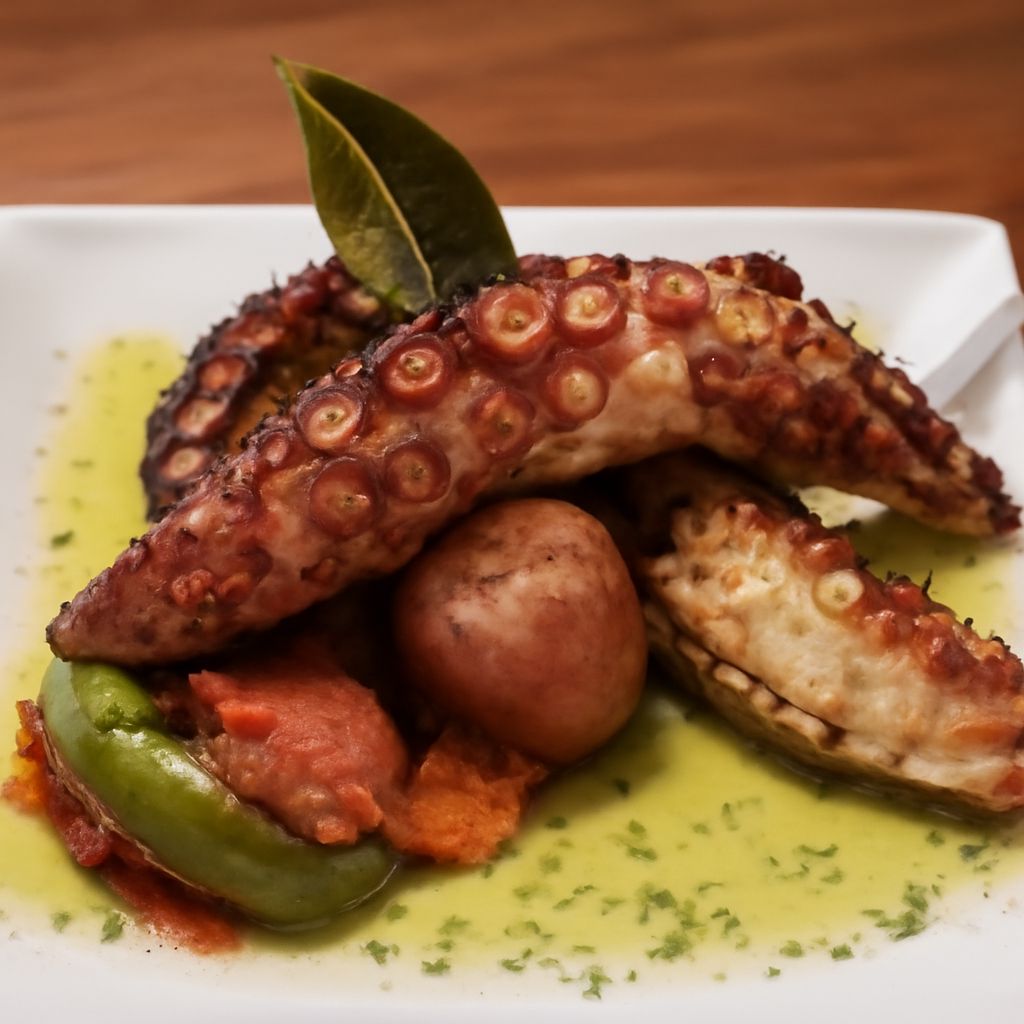
Fresh seafood reflects Portugal’s long Atlantic and Mediterranean coastline. Look for grilled sardines, garlic prawns, clams with coriander, octopus, and arroz de polvo, a savory rice made with tender octopus. In the Algarve, cataplana refers both to a hinged copper cooking vessel and the seafood dish prepared inside it, often with clams, fish, prawns, tomatoes, wine, and herbs.
Pork anchors many inland meals. Porco preto, from the Alentejo, has a rich flavor, while pork appears in sausages, sandwiches, and slow-cooked stews. Cozido à portuguesa combines meats, sausages, cabbage, potatoes, carrots, and other vegetables in a substantial boiled dinner.
Portuguese Cooking: Mainland and Island Traditions
Mainland regions offer distinct habits. Northern Portugal favors hearty stews, salted meats, and greens; the Alentejo makes excellent use of bread, pork, olive oil, and herbs; and the Algarve leans toward clams, sardines, octopus, and other coastal ingredients. A dish that tastes rustic in the north may become lighter and more seafood-focused farther south.
Island cooking responds to volcanic landscapes and ocean access. In the Azores, cozido das Furnas cooks slowly in volcanic ground heat, while grilled limpets and local dairy reflect the islands’ coastal and pastoral traditions. Madeira is known for espetada, beef skewers often seasoned with garlic and bay leaf, and bolo do caco, a round flatbread commonly served with garlic butter. Black scabbard fish also appears frequently in Madeiran cooking.
Portuguese Soups and Snacks: Caldo Verde and Bifana
Caldo verde is one of Portugal’s best-known soups: a smooth base of potatoes and onions with finely sliced kale, olive oil, and often rounds of chouriço. It is simple, warming, and common across the country, especially alongside bread.
For a quick meal, choose a bifana, a crusty bread roll filled with thin slices of pork marinated and cooked with garlic, paprika, wine, or mustard. You may find regional variations, but the combination stays direct and savory. Other everyday choices include pastéis de bacalhau, crisp cod-and-potato fritters, and pão com chouriço, bread baked with spicy sausage.
Portuguese Pastries: Pastéis de Nata and Regional Sweets
Pastéis de nata are flaky custard tarts with caramelized tops and a gently spiced filling. Serve them warm or at room temperature, often with cinnamon. Their crisp pastry and creamy center make them a natural finish after seafood or grilled meats.
Regional sweets add further range: Aveiro is associated with ovos moles, Sintra with queijadas, and Madeira with dense bolo de mel. Together, these desserts show how Portuguese food extends from maritime staples and farm cooking to refined pastry traditions.