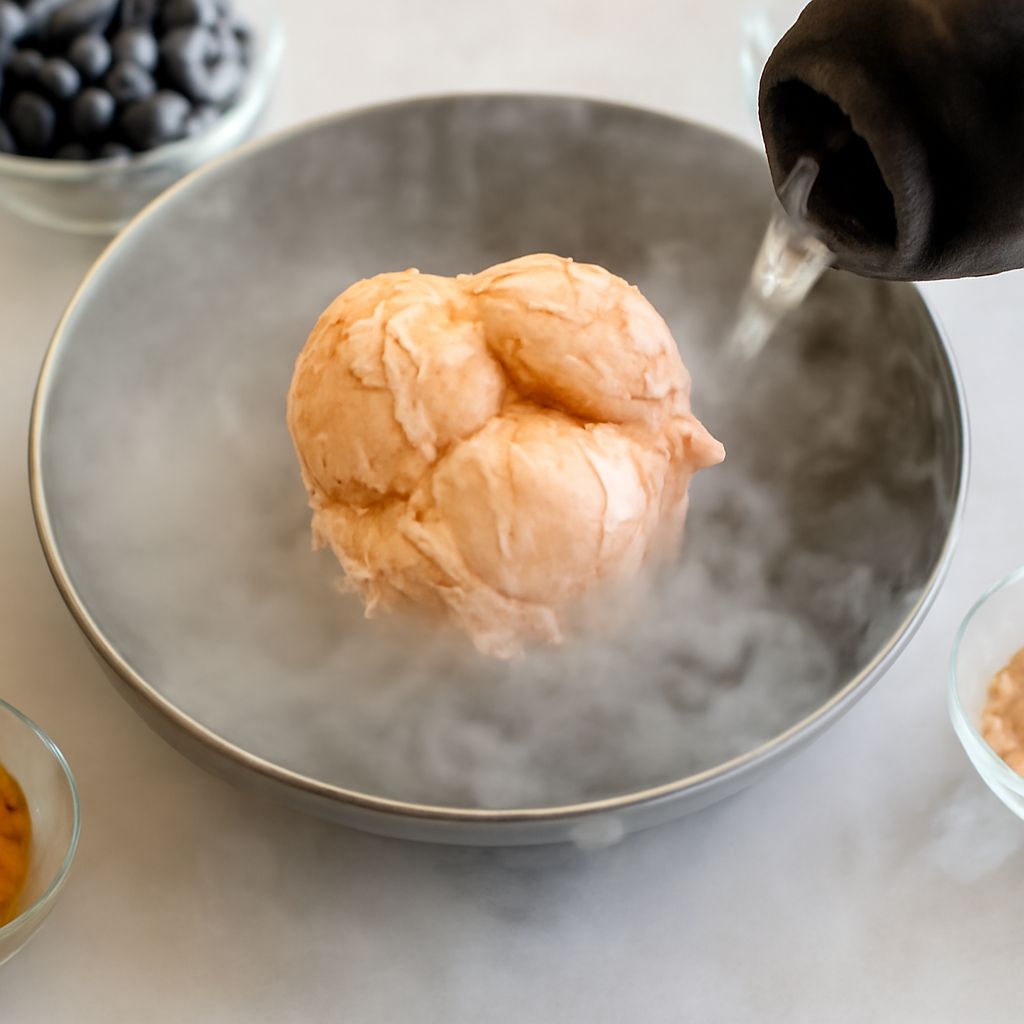
Molecular gastronomy is a fascinating culinary movement that combines science and art to transform everyday ingredients into extraordinary dishes. By leveraging techniques rooted in chemistry and physics, you can create innovative flavors and textures that defy traditional cooking methods. Dive into the world of molecular gastronomy and discover how you can elevate your cooking to new heights.
Understanding Molecular Gastronomy
Molecular gastronomy, often referred to as molecular cuisine, involves the application of scientific principles to the culinary arts. It focuses on the physical and chemical transformations of ingredients that occur during cooking. This approach not only enhances the sensory experience but also encourages creative experimentation in the kitchen. By understanding the science behind food, you can manipulate textures, flavors, and presentations in unprecedented ways.
Essential Techniques in Molecular Cooking
The world of molecular cooking is rich with innovative techniques that challenge conventional culinary practices. Here are a few essential methods:
- Spherification: This technique involves creating spheres with liquid centers, similar to caviar. By using sodium alginate and calcium chloride, you can encapsulate flavors in a delicate gel.
- Emulsification: Create stable mixtures of oil and liquid using emulsifiers like lecithin. This results in creams and foams that add a new dimension to your dishes.
- Foaming: Use a siphon or blender to introduce air into liquids, transforming them into light, airy textures. This is often used for sauces and garnishes.
- Gelification: Transform liquids into solids using gelling agents. Agar-agar and gelatin are common choices, allowing you to create everything from firm jellies to soft gels.
Tools and Ingredients Needed
To master gastronomy cooking, you’ll need specific tools and ingredients that facilitate these scientific techniques:
- Siphon: Essential for creating foams and mousses.
- Immersion Blender: Useful for emulsifying and blending ingredients smoothly.
- Syringes and Pipettes: Precise instruments for spherification.
- Sodium Alginate and Calcium Chloride: Key ingredients for spherification.
- Agar-Agar and Gelatin: Vital for gelification processes.
Popular Molecular Cuisine Dishes
Molecular cuisine has produced some iconic dishes that showcase its creative potential:
- Liquid Caprese: A deconstructed version of the classic salad, featuring tomato water, basil spheres, and mozzarella foam.
- Espresso Air: A light foam flavored with espresso, offering an intriguing twist on a traditional coffee.
- Caviar of Balsamic Vinegar: Tiny spheres of balsamic that burst with flavor, perfect for garnishing salads and hors d’oeuvres.
Tips for Beginners in Gastronomy Cooking
Embarking on a journey into molecular gastronomy can be overwhelming, but these tips can help you get started:
- Start Simple: Begin with basic techniques like spherification before moving on to more complex methods.
- Invest in Quality Tools: Reliable tools make experimentation easier and more successful.
- Embrace Experimentation: Don’t be afraid to try new combinations and techniques. Mistakes are part of the learning process.
- Understand the Science: A basic knowledge of chemistry and physics is invaluable. Resources like books and online courses can provide a solid foundation.
By exploring these techniques and tools, you can unlock endless possibilities in the realm of molecular gastronomy, turning every meal into an extraordinary culinary experience.