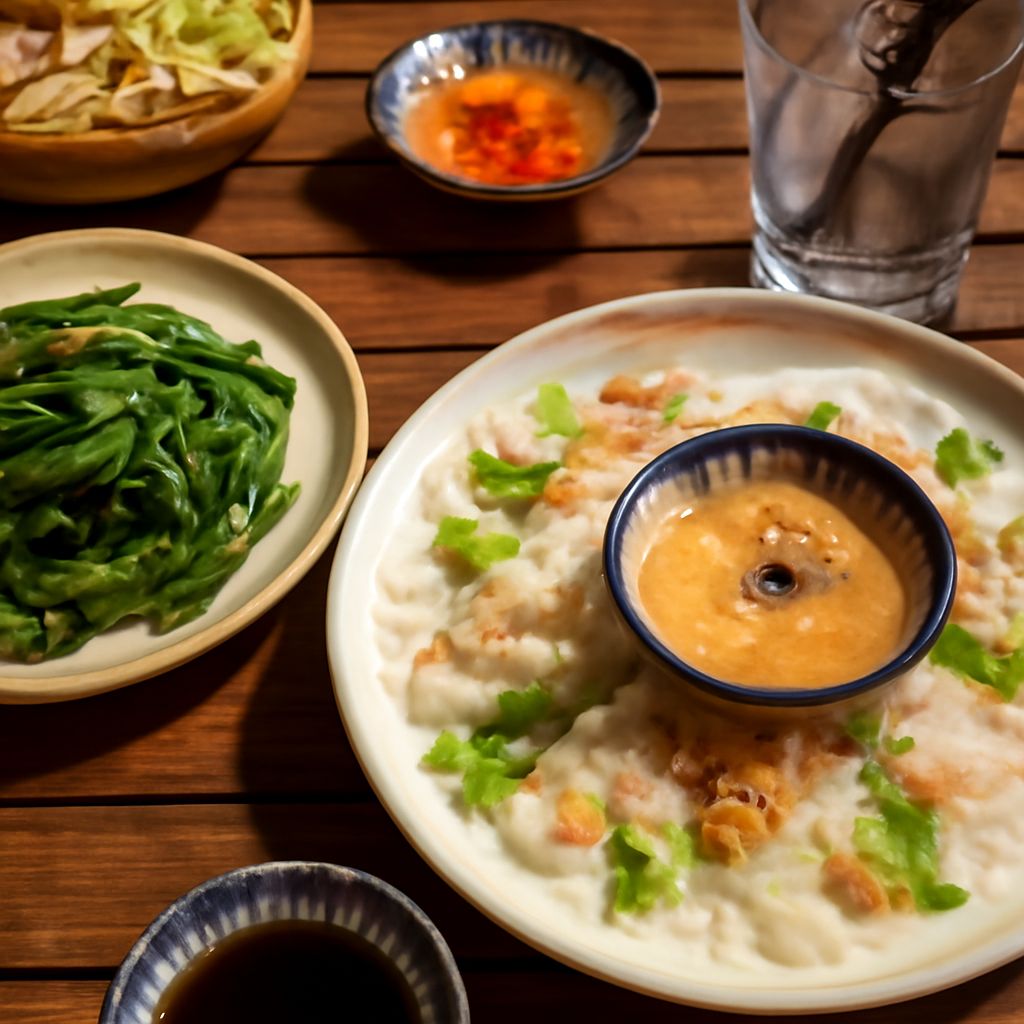
Vietnamese food is a vibrant blend of flavors, textures, and colors, offering a culinary experience like no other. With a focus on fresh ingredients and balanced flavors, Vietnamese cuisine has captured the hearts of food lovers worldwide. In this journey, you’ll explore popular and traditional Vietnamese dishes, understand the cultural significance of the cuisine, and discover how you can experience the delightful world of Vietnamese food.
Introduction to Vietnamese Food
What is Vietnamese food? It’s a harmonious combination of five fundamental taste elements: spicy, sour, bitter, salty, and sweet. This balance creates dishes that are both flavorful and aromatic. Fresh herbs and vegetables are staples, while rice and noodles are common bases. Whether you’re familiar with Vietnamese cuisine or new to it, there’s always something to discover.
Popular Vietnamese Dishes
Several Vietnamese dishes have gained international fame. Here are a few you must try:
- Phở: A savory noodle soup that has become synonymous with Vietnamese food. Typically made with beef or chicken, this dish is flavored with a rich broth, fresh herbs, and a hint of lime.
- Bánh mì: A delicious fusion of French and Vietnamese flavors, this sandwich features a crispy baguette filled with meats, pickled vegetables, and fresh cilantro.
- Gỏi cuốn: Also known as fresh spring rolls, these are filled with shrimp, pork, vegetables, and vermicelli, wrapped in rice paper.
- Bún chả: A Hanoi specialty, this dish includes grilled pork served with rice noodles, fresh herbs, and a tangy dipping sauce.
- Cà phê sữa đá: Vietnamese iced coffee with condensed milk, offering a perfect balance of sweetness and robust coffee flavor.
Traditional Vietnamese Dishes and Ingredients
Traditional Vietnamese food often reflects regional diversity, each area bringing its unique styles and flavors. Here are some traditional dishes and ingredients you might encounter:
- Bánh xèo: A crispy, savory pancake filled with shrimp, pork, and bean sprouts, served with fresh herbs and a fish sauce dip.
- Cơm tấm: Known as broken rice, this dish is often topped with grilled pork, fried egg, and various accompaniments.
- Nước chấm: A staple dipping sauce made from fish sauce, lime juice, sugar, and chili, used to complement many dishes.
- Lemongrass and ginger: These ingredients are frequently used in marinades and soups, adding aromatic and zesty notes.
Cultural Significance of Vietnamese Cuisine
Vietnamese cuisine is deeply intertwined with the country’s culture and history. Meals are often communal, emphasizing unity and togetherness. Each dish reflects a philosophy of balance and harmony, not only in taste but also in nutritional content. Food plays a crucial role in celebrations and daily life, reflecting the country’s agricultural heritage and regional diversity.
How to Experience Vietnamese Food
Experiencing Vietnamese food goes beyond just tasting the dishes. Here are some ways to immerse yourself in this culinary world:
- Visit Local Markets: Explore bustling Vietnamese markets where fresh produce, herbs, and local delicacies await. It’s a great way to understand the ingredients that define the cuisine.
- Try Cooking Classes: Participate in cooking classes to learn how to make popular Vietnamese dishes at home. It’s a hands-on way to appreciate the techniques and flavors.
- Dine in Authentic Restaurants: Seek out Vietnamese restaurants that prioritize traditional recipes and high-quality ingredients.
- Explore Street Food: Street food is an integral part of Vietnamese culture. Trying dishes from street vendors offers an authentic taste of local flavors.
By delving into both the well-known and the traditional aspects of Vietnamese cuisine, you gain a deeper appreciation for what makes this food so special. Whether you’re savoring a bowl of phở or crafting your own spring rolls, Vietnamese food invites you to explore a world of tastes and cultural richness.