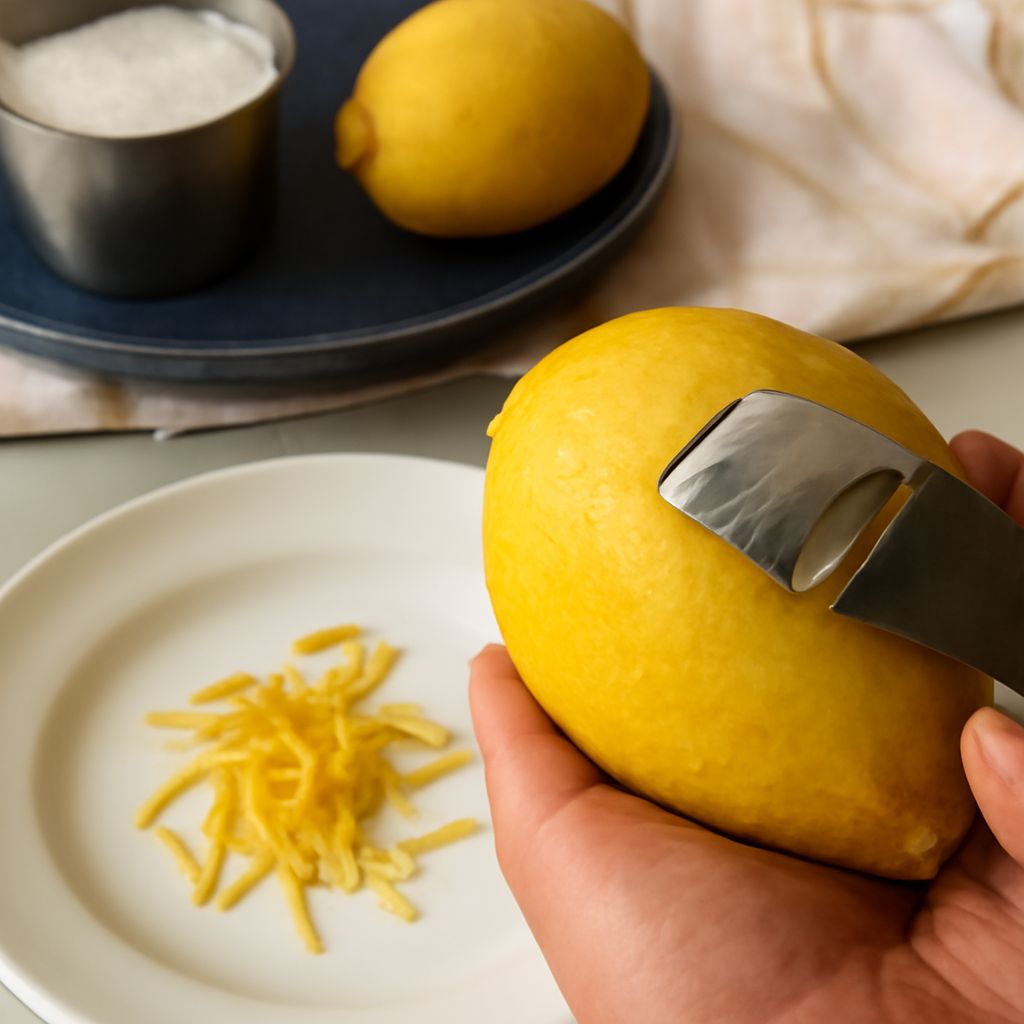
Lemon zest adds a burst of citrus flavor to numerous dishes, whether you’re baking, cooking, or crafting cocktails. Learning how to make lemon zest is a simple yet essential skill that can elevate your culinary creations. In this guide, you’ll discover the tools needed, a step-by-step method to zest a lemon, and tips to perfect the process.
What Is Lemon Zest?
Lemon zest is the outermost layer of the lemon’s peel. It’s the bright yellow part that contains the fruit’s aromatic oils, offering a concentrated citrus flavor without the sourness of the juice. Zesting a lemon involves removing this layer using specific techniques and tools, which we’ll explore below.
Tools You Need for Zesting
To zest a lemon effectively, you’ll need one of the following tools:
- Microplane Grater: This tool is perfect for achieving fine, fluffy zest with minimal effort.
- Box Grater: Use the side with small holes to create zest. It’s not as fine as a microplane but works well in a pinch.
- Vegetable Peeler: Ideal for thicker strips of zest, which you can chop finely if needed.
- Zester: Specifically designed for zesting, this tool creates thin, long strips.
Step-by-Step Guide to Zest a Lemon
Follow these steps to zest a lemon perfectly:
- Wash the Lemon: Rinse the lemon under cool water and scrub it gently to remove any wax or residues.
- Dry the Lemon: Pat the lemon dry with a clean towel to ensure a firm grip.
- Select Your Tool: Choose the tool that suits your needs, whether it’s a microplane, box grater, vegetable peeler, or zester.
- Zest the Lemon:
- Microplane: Hold the lemon in one hand and the grater in the other. Slide the lemon across the grater, avoiding the white pith underneath.
- Box Grater: Position the lemon against the grater and move it back and forth carefully.
- Vegetable Peeler: Gently peel thin strips of zest, avoiding the pith, then chop them finely.
- Zester: Drag the zester across the lemon’s surface to create thin strips.
- Store the Zest: Use the zest immediately or store it in an airtight container in the refrigerator for up to a week.
Tips for Perfect Lemon Zest
- Choose Fresh Lemons: Opt for firm, bright lemons as they provide the best zest.
- Avoid the Pith: The white layer beneath the yellow zest is bitter, so be cautious not to include it.
- Use Organic Lemons: If possible, organic lemons are free from chemicals and better for zesting.
- Zest Before Juicing: It’s easier to zest a whole lemon than one that has been juiced.
Common Mistakes to Avoid
- Using a Dull Tool: Ensure your grater or peeler is sharp; dull tools make zesting difficult and can damage the zest.
- Not Washing the Lemon: Always wash the lemon to remove any chemicals or waxes.
- Zesting Too Deeply: Avoid the bitter pith by applying gentle pressure and stopping as soon as the yellow layer is removed.
- Storing Incorrectly: Keep zest in a sealed container to maintain freshness and flavor.
With these tips and techniques, you’re now equipped to zest a lemon perfectly. Enhance your dishes with this vibrant ingredient and explore the refreshing zing it brings to your culinary endeavors.