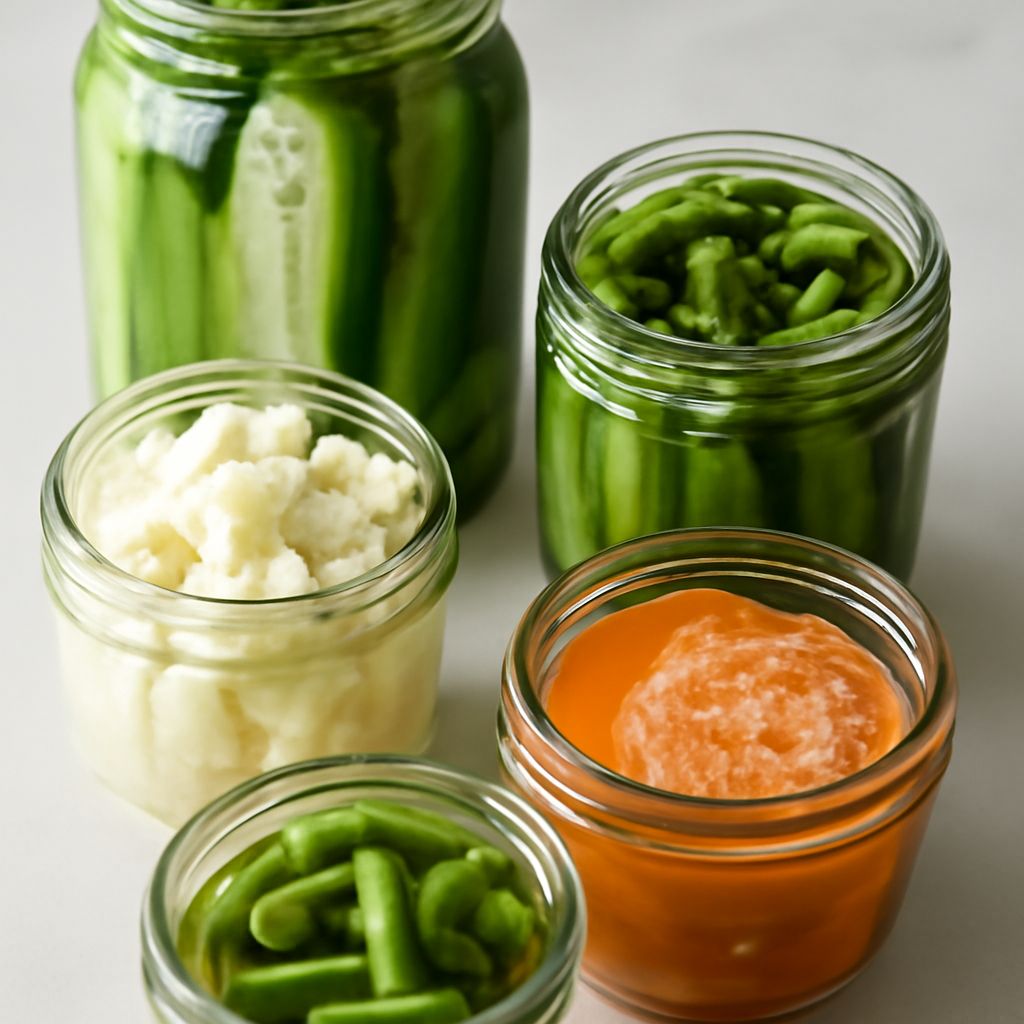
A cup of vinegar and a cup of water can turn a small bowl of sliced vegetables into a bright, tangy accompaniment for the week ahead. This refrigerator pickle liquid is heated with salt and sugar, then poured over the vegetables before they go into the refrigerator. The recipe for this quick pickling mixture gives you a lively, sour result without a canner.
The proportions and storage time below come from the University of Maine Cooperative Extension’s refrigerator pickles. Its method makes two pint jars. Keep them refrigerated and use them within two weeks; these are not shelf-stable preserves.
Pickling Liquid Recipe for Two Pint Jars
For the sour version, gather:
- 2 cups prepared vegetables, such as cucumber, bell pepper, radish, carrot, or cauliflower
- 1 cup white or apple cider vinegar labeled 5% acidity
- 1 cup water
- 1 tablespoon canning or pickling salt
- 2 teaspoons granulated sugar
- Up to 2 tablespoons of the source’s suggested herbs and spices per jar, such as fresh dill, garlic, mustard seed, or peppercorns
You will also need two washed pint canning jars or similarly sized heatproof containers with lids, a saucepan, and a ladle. Wash your hands and work surface, then rinse the vegetables under cold running water. Rinse fresh herbs and pat them dry.
Peel the vegetables if needed and cut them into slices, spears, or bite-size pieces. Pack them snugly into the jars with your chosen seasonings, leaving room for the liquid. For firmer vegetables such as carrots or cauliflower, Maine suggests an optional blanch: boil for 2 to 3 minutes, transfer to ice water for 2 to 3 minutes, and drain before packing. This helps soften their texture.
Combine the vinegar, water, salt, and sugar in the saucepan. Stir, bring to a boil, and boil for 2 minutes. Carefully pour the hot mixture over the vegetables, filling to within 1/2 inch of the rim. Cover the jars and refrigerate. Let the flavor develop for 1 to 2 days before serving, and use the pickles within 2 weeks.
Understand the proportions
This pickling liquid recipe uses equal volumes of vinegar and water. Measure the liquids and check the vinegar label for 5% acidity; do not replace part of the vinegar with water. The vinegar supplies the sharp taste, while salt seasons the vegetables and a small amount of sugar rounds the edges of that acidity.
For a smaller batch, halve every ingredient: use 1/2 cup each of vinegar and water, 1 1/2 teaspoons pickling salt, 1 teaspoon sugar, and 1 cup vegetables for one pint jar. For two batches, double every ingredient and use four pint jars. Keep the same vinegar-to-water and vegetable proportions, boil the mixture for the same 2 minutes, and refrigerate all jars promptly.
The basic pickling brine gives you a dependable starting point for flavor. Choose fresh, firm vegetables and cut them evenly so each piece takes up seasoning at a similar pace. If a jar is packed so tightly that liquid cannot reach between the pieces, loosen the vegetables before filling.
Choose your flavors
The sour recipe is pleasantly sharp. Try dill and mustard seed with cucumber, or garlic and peppercorns with cauliflower. Fresh jalapeño is another option from Maine’s list when you want heat. Stay within its allowance of up to 2 tablespoons of seasonings per container, and wash fresh additions before using them.
For a sweeter variation, use Maine’s alternate formula for the same 2 cups of vegetables: 1 cup each of 5% vinegar and water, 2 teaspoons pickling salt, and 1/2 cup granulated sugar. Heat and handle it the same way. This mixture is well suited to bell pepper or cucumber when you want a sweet-tart bite beside a sandwich.
White vinegar gives a clean, sharp flavor; apple cider vinegar adds a fruitier note and can darken the liquid slightly. Either works in this refrigerator pickling recipe when the label states 5% acidity. Whole spices add aroma without clouding the jar as much as ground spices can.
Store cold and put the pickles to use
Label each jar with the date and keep it in the refrigerator at 40°F or below. Serve with clean utensils and return the jar promptly to the refrigerator. Enjoy the vegetables on a sandwich, alongside roast chicken, or as a crisp accent in a grain bowl. The pickling juice lends a sharp flavor to the vegetables already in the jar; make a fresh batch of liquid for a new batch of vegetables.
This vinegar mixture is for refrigerated quick pickles. A jar closed with a lid has not been processed for pantry storage, and a salt-water fermentation follows a different method. For shelf-stable pickles, choose and follow a tested canning recipe with its own processing instructions.
Now wash two pint jars, measure one cup each of 5% vinegar and water, and choose the vegetables and seasonings you would like to have ready in the refrigerator tomorrow.