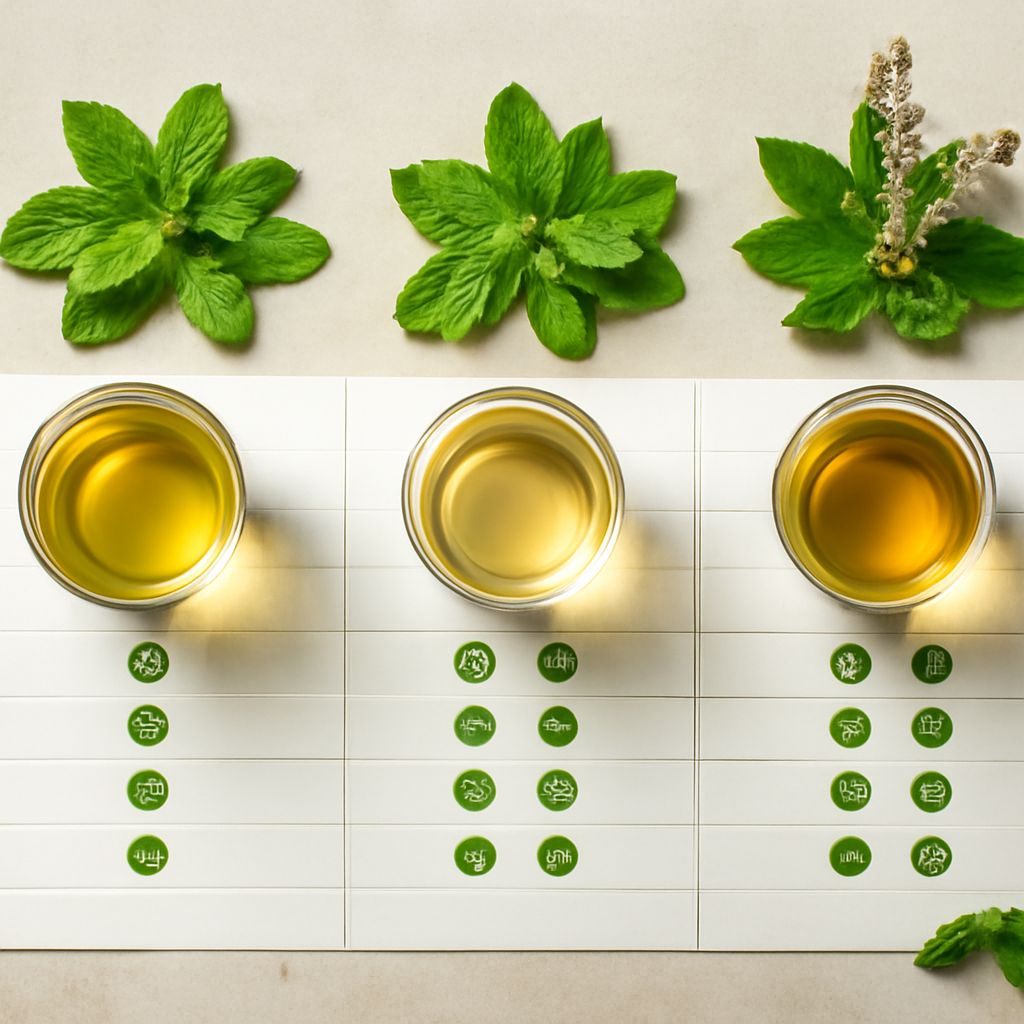
When it comes to mint, two popular varieties often come to mind: spearmint and peppermint. While both belong to the same family, they have distinct characteristics that set them apart in terms of flavor, uses, and benefits. Understanding these differences can help you choose the right type for your culinary and medicinal needs.
Introduction to Mint Varieties
Mint is a beloved herb used in various cuisines and for medicinal purposes. The two most common types are spearmint (Mentha spicata) and peppermint (Mentha × piperita). Although they share some similarities, each has unique properties that make them suitable for different applications.
Spearmint: Characteristics and Uses
Spearmint is known for its mild, sweet flavor with a hint of citrus. It contains lower levels of menthol, around 0.5%, which contributes to its gentle taste. This makes spearmint an excellent choice for dishes where a subtle mint flavor is desired.
- Culinary Uses: Spearmint is commonly used in salads, sauces, and beverages like mojitos and iced teas. It’s also a popular choice for garnishing desserts and savory dishes.
- Medicinal Uses: Spearmint is often used in herbal teas to aid digestion and reduce nausea. Its mild flavor makes it suitable for children and sensitive palates.
Peppermint: Characteristics and Uses
Peppermint has a stronger, more intense flavor due to its higher menthol content, ranging from 40-50%. This gives it a cool, refreshing taste that can be overpowering if not used carefully.
- Culinary Uses: Peppermint is widely used in candies, chocolates, and beverages like peppermint tea. Its bold flavor makes it a great addition to desserts that can handle its intensity.
- Medicinal Uses: Known for its soothing properties, peppermint is often used to relieve headaches, muscle pain, and respiratory issues. Its strong menthol content provides a cooling sensation that can help clear nasal congestion.
Key Differences Between Spearmint and Peppermint
Understanding the difference between spearmint and peppermint is crucial for selecting the right variety:
- Flavor Profile: Spearmint offers a mild, sweet flavor with a touch of citrus, while peppermint has a strong, cooling menthol taste.
- Menthol Content: Spearmint contains less menthol (about 0.5%), whereas peppermint is high in menthol (40-50%), impacting both taste and medicinal uses.
- Culinary Applications: Spearmint is more versatile in savory dishes and subtle-flavored desserts, while peppermint shines in sweets and strong-flavored beverages.
- Medicinal Benefits: Both mints aid digestion, but peppermint is more effective for respiratory relief and pain management due to its menthol content.
Choosing the Right Mint for Your Recipe
Selecting between spearmint and peppermint depends on the flavor profile and use case you’re aiming for:
- For Drinks: If you want a mild, refreshing taste, opt for spearmint in cocktails and teas. Choose peppermint for a stronger, cooling sensation in hot beverages.
- For Cooking: Spearmint is ideal for Middle Eastern dishes, sauces, and salads. Use peppermint for desserts and confections where a robust mint flavor is desired.
- For Health Benefits: Select spearmint for general digestive aid and peppermint for headaches, muscle relief, and respiratory issues.
By understanding these differences, you can enhance your culinary creations and maximize the health benefits each variety offers.