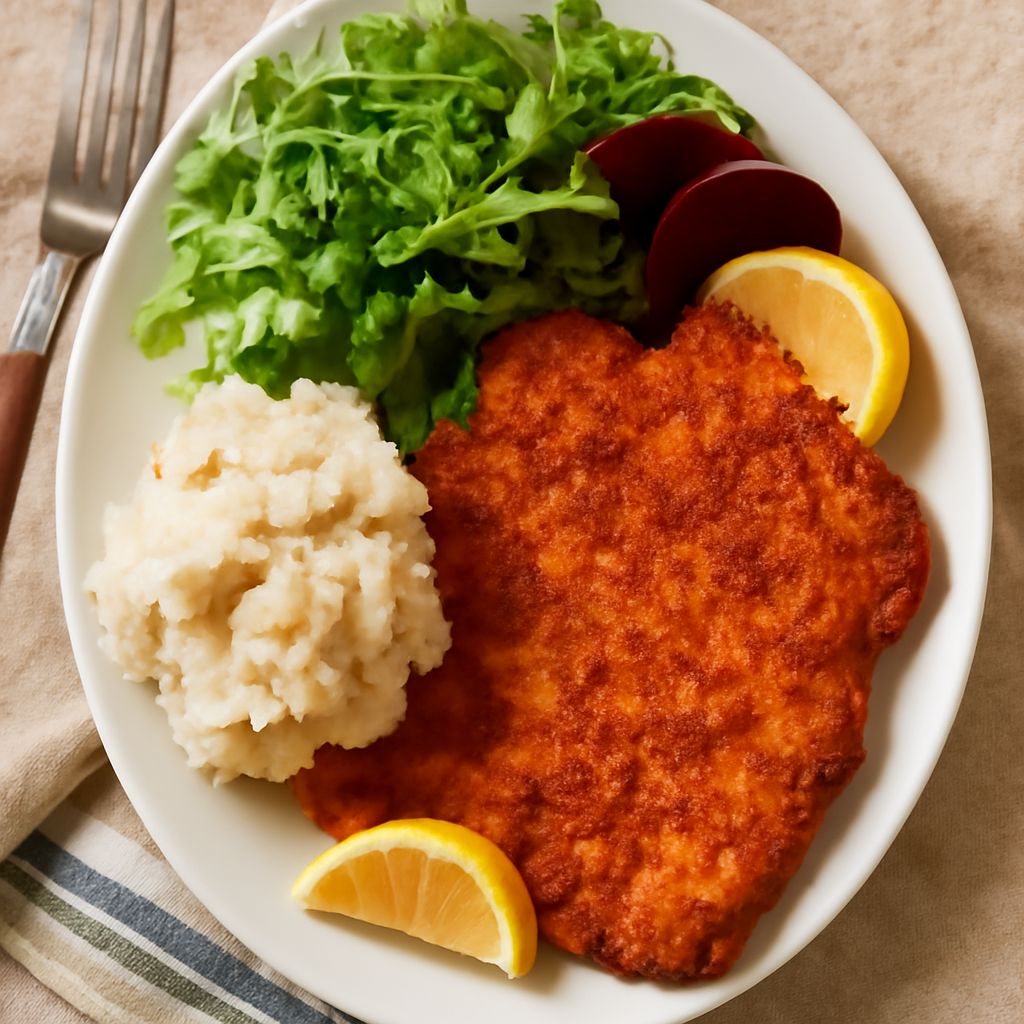
If you want to master an authentic pork schnitzel recipe at home, you’re in the right place. This guide covers everything you need to know about how to make pork schnitzel—from choosing the best cut of pork to getting that perfect golden crust and serving it with classic sides. Whether you’re new to schnitzel or already love this crispy German favorite, follow these steps for irresistibly tender and crunchy schnitzel, every time.
What Is Pork Schnitzel?
Pork schnitzel is a classic European dish featuring thin pork cutlets that are breaded and fried until perfectly crisp. While the original schnitzel comes from Austria (where it’s typically made with veal and called Wiener Schnitzel), pork has become the more popular meat for this dish in Germany and beyond. The word “schnitzel” simply refers to a breaded, fried cutlet—so you’ll find chicken and turkey versions too, but pork schnitzel is the most accessible and loved variation.
What sets pork schnitzel apart is its ultra-thin, tender meat and the deep golden, crunchy coating. The meat is pounded thin to promote quick, even frying and an irresistible texture. Once cooked, the schnitzel is light, crisp, and juicy, often served with a wedge of lemon and a handful of fresh herbs for brightness. You’ll find pork schnitzel in traditional German restaurants, Austrian beer halls, and home kitchens throughout Europe. In America, it’s a comfort food favorite that delivers big on flavor and simplicity.
Authentic pork schnitzel doesn’t rely on complicated spices or heavy sauces—the focus is all about the contrast between juicy pork and a shatteringly crisp crust. When you learn how to make pork schnitzel at home, you can control every detail, from the thickness of the cutlet to the choice of breadcrumbs, oil, and sides.
You’ll also discover that making pork schnitzel is far easier than it looks. With a handful of ingredients and a few essential steps, you can bring a taste of Europe to your dinner table in less than an hour.
Essential Ingredients for Pork Schnitzel
The best pork schnitzel recipe uses simple, high-quality ingredients. Each component plays a key role in creating the desired texture and flavor. Here’s what you need to make pork schnitzel at home:
- Pork Cutlets: The traditional choice is boneless pork loin chops or pork sirloin, cut into 1/2-inch (about 1.25 cm) slices. Choose pieces that are uniform in size for even cooking.
- Flour: Plain all-purpose flour ensures a dry surface for the egg to adhere to, forming the crucial first layer of breading.
- Eggs: Lightly beaten eggs help the breadcrumbs stick to the cutlet and create a cohesive crust.
- Breadcrumbs: Use plain, fine dry breadcrumbs for the most authentic result. Japanese panko breadcrumbs work if you want an extra-crispy texture, but classic schnitzel uses regular or homemade breadcrumbs.
- Salt and Pepper: Season the flour and meat generously for balanced flavor.
- Oil for Frying: Neutral oils with a high smoke point like sunflower, canola, or vegetable oil are ideal. Traditionally, clarified butter (Butterschmalz) is used for added flavor, but oil is more forgiving for home cooks.
- Lemon Wedges: Essential for serving—lemon juice adds a bright, tangy contrast to the rich schnitzel.
- Fresh Parsley: Optional, but adds a classic finishing touch.
Some modern recipes add a touch of paprika to the breading or use a little milk with the egg for extra tenderness, but the core ingredients never change. For 4 servings, you’ll need about 1 to 1.5 pounds (450–680 g) of pork, 1 cup of flour, 2 large eggs, and 1.5 cups of breadcrumbs. Plan on using at least 1/4 inch (0.5 cm) of oil in your skillet for proper frying.
Gather and measure all your ingredients before you begin—schnitzel comes together quickly once you start breading and frying, so organization is key.
How to Make Pork Schnitzel: Step-by-Step Instructions
To make pork schnitzel with the perfect balance of crispiness and tenderness, follow these clear steps. The process is straightforward and can be mastered on your first try.
-
Prepare the Pork:
- Trim any excess fat from the pork loin chops.
- Place each cutlet between two layers of plastic wrap or parchment paper.
- Using a meat mallet, rolling pin, or even a small heavy skillet, gently pound the pork to a uniform thickness of 1/4 inch (about 6 mm). This is essential for quick, even frying and a tender bite. Work from the center outward, being careful not to tear the meat.
- Season both sides of the pounded cutlets generously with salt and freshly ground black pepper.
-
Set Up a Breading Station:
- Arrange three shallow dishes or wide bowls in a row: one with flour, one with beaten eggs, and one with breadcrumbs.
- Season the flour with a bit more salt and pepper for added flavor. Mix gently.
-
Bread the Pork:
- Dredge each pork cutlet in the flour, shaking off any excess.
- Dip into the beaten eggs, ensuring the cutlet is fully coated.
- Press the cutlet into the breadcrumbs on both sides, pressing gently so the crumbs adhere evenly. Don’t overwork—just enough to cover the surface in a single, even layer.
- Set the breaded cutlets on a plate or wire rack. Let them rest for 5–10 minutes to help the coating set—this prevents the breadcrumbs from slipping off during frying.
-
Fry the Schnitzel:
- Heat 1/4 inch (0.5 cm) of neutral oil (or clarified butter) in a large, heavy skillet over medium-high heat. The oil should shimmer but not smoke; about 350°F (175°C) is ideal. Test the oil by dropping in a breadcrumb—it should sizzle immediately.
- Fry the schnitzels one or two at a time, without crowding the pan. Cook for 2–3 minutes per side, turning only once, until golden brown and cooked through. The breading should be crisp and the meat just cooked—avoid overcooking, as thin pork dries quickly.
- Transfer each finished schnitzel to a paper towel–lined plate or a wire rack set over a baking sheet to drain excess oil and stay crisp.
-
Serve Immediately:
- Arrange the schnitzels on plates, garnish with lemon wedges and chopped parsley, and serve at once for maximum crunch.
That’s how to make pork schnitzel that rivals any restaurant. The key details—pounding the meat thin, using dry breadcrumbs, and frying at the right temperature—make all the difference. You can double or halve the recipe easily, and the breaded cutlets can be prepped a few hours ahead and refrigerated until ready to fry.
Serving Suggestions and Traditional Sides
Pork schnitzel is satisfying on its own, but classic accompaniments make it a complete meal. In Germany and Austria, schnitzel is rarely served solo—it always comes with at least one comforting side, and often a bright, tangy sauce or salad.
Here are the most popular ways to serve pork schnitzel at home:
- Potato Salad (Kartoffelsalat): Southern German potato salad, made with a tangy vinegar dressing (no mayo), is the most traditional pairing. The acidity cuts through the richness of the fried pork beautifully.
- French Fries or Fried Potatoes: Crisp pan-fried potatoes or golden fries are a favorite, especially in casual restaurants and family kitchens. Serve with ketchup or a dollop of mayonnaise for a continental touch.
- Cucumber Salad (Gurkensalat): Paper-thin, lightly pickled cucumbers in a sweet-sour dressing offer a refreshing contrast to crispy schnitzel.
- Green Beans or Mixed Vegetables: Lightly steamed or sautéed green beans, carrots, or peas bring color and balance to the plate.
- Lingonberry Jam: While more common with Wiener schnitzel, a spoonful of tart lingonberry jam adds a sweet-tart note that pairs well with pork schnitzel too.
- Simple Green Salad: Mixed greens tossed with a lemony vinaigrette lighten up the meal and keep things fresh.
Always include lemon wedges for squeezing over the schnitzel—the acidity brightens every bite. If you want to add a sauce, try a homemade mushroom gravy (Jägersoße), but keep it simple so the crisp crust stays the star.
Pork schnitzel pairs well with a light lager, pilsner, crisp white wine (such as Grüner Veltliner or Riesling), or sparkling water with lemon. For a complete German meal, serve with a cold beer and warm pretzels on the side.
For weeknight dinners, serve schnitzel with mashed potatoes and a green salad. For entertaining, go all out with potato salad, warm vegetables, and crusty bread.
Tips for Perfect Pork Schnitzel Every Time
For consistently delicious pork schnitzel, focus on technique as much as ingredients. Here are the secrets to making schnitzel crispy, tender, and flavorful—just like in the best German restaurants.
- Pound Evenly: Take your time pounding the pork cutlets to a quarter-inch thickness. Uneven pieces will fry unevenly, leaving some spots chewy or dry. Check thickness visually and by touch.
- Dry the Pork: Pat the cutlets dry with paper towels before breading. Moisture can cause the breading to slip off and can make the oil splatter.
- Don’t Skimp on Oil: Use enough oil so the schnitzel floats slightly and the breading fries evenly. A too-thin layer leads to uneven browning and dry spots. After frying, always drain on paper towels or a rack.
- Monitor Oil Temperature: If the oil isn’t hot enough, schnitzel absorbs oil and won’t crisp; if it’s too hot, the crust burns before the meat cooks. Use a thermometer if needed or test with a breadcrumb.
- One Flip Only: Turn schnitzel just once during frying to avoid breaking the crust. The first side will brown in 2–3 minutes; once edges are golden, flip and finish the other side.
- Rest Before Serving: Let the schnitzel rest briefly on a rack so the crust sets and stays crisp. Serve while still hot—schnitzel loses its signature crunch as it cools.
- Prep Ahead: You can bread the cutlets a few hours before frying and refrigerate them. Bring to room temperature for 20 minutes before cooking for even results.
For an extra-fluffy breading, don’t press the breadcrumbs too hard into the meat—just enough for an even layer. And always use fresh, high-quality oil for the cleanest flavor.
If you want to make a large batch for a party, keep cooked schnitzels warm in a low oven (200°F/95°C) on a wire rack. This way, you can fry in batches and serve everyone at once without sacrificing crunch.
Finally, don’t overcrowd the pan—fry one or two schnitzels at a time, giving each plenty of space. Crowding lowers the oil temperature and leads to soggy breading.
Frequently Asked Questions About Pork Schnitzel
Can you use other cuts of pork for schnitzel? Yes, while pork loin is classic for pork schnitzel, you can use boneless pork chops, pork tenderloin, or sirloin. Just make sure to pound the meat thin for even cooking and tenderness. Avoid fatty or bone-in cuts, as they don’t pound as evenly.
How do you keep the breading from falling off? Start by patting the pork dry and letting the breaded cutlets rest before frying. Also, avoid moving the schnitzel too much in the pan and use enough oil to prevent sticking. Don’t overcrowd the pan, and don’t flip excessively.
Can you bake pork schnitzel instead of frying? While traditional schnitzel is always fried, you can bake it in a hot oven (425°F/220°C) on a rack set over a baking sheet. Brush both sides with oil for a crispier finish. The crust won’t be quite as shatteringly crisp, but it’s a lighter alternative.
Can you freeze pork schnitzel? Yes, you can freeze breaded, uncooked schnitzel on a baking sheet until solid, then transfer to a freezer bag. Fry directly from frozen, adding 2–3 extra minutes per side. Cooked schnitzel can also be frozen, but the crust will soften slightly upon reheating—reheat in a hot oven for best results.
What’s the difference between schnitzel and cutlets? Schnitzel refers specifically to thin, breaded, and fried cutlets from German and Austrian traditions. Cutlets can be from any meat and may be breaded or not. The word “schnitzel” is most often used for pork or veal breaded and fried in the European style.
Can you use panko breadcrumbs? You can use panko for a crunchier, more textured crust. Traditionalists prefer fine, plain breadcrumbs for a delicate, even coating. Try both to find your favorite.
With this clear pork schnitzel recipe and step-by-step method, you can serve up crispy, juicy schnitzel at home any night of the week. Use these tips on how to make pork schnitzel to perfect your technique and impress your guests with an authentic European classic.