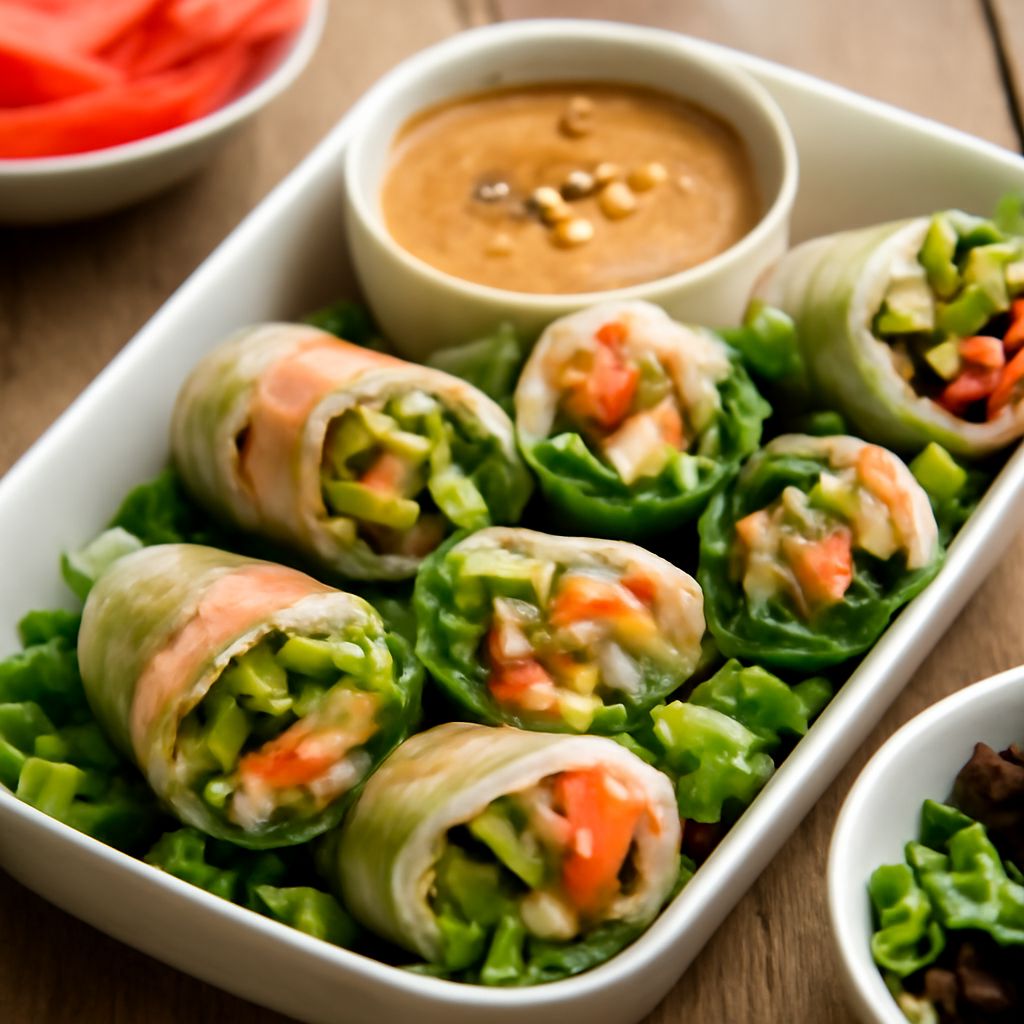
Making Vietnamese spring rolls at home is easier than you might think. This Vietnamese spring roll recipe guides you through each step, so you’ll confidently create fresh, flavorful rolls filled with shrimp, herbs, and rice noodles. Whether you’re looking to master shrimp spring roll techniques or want to explore classic spring rolls Vietnamese families serve, you’ll find practical tips, ingredient suggestions, and serving ideas to make your next meal a standout.
What Are Vietnamese Spring Rolls?
Vietnamese spring rolls, known locally as gỏi cuốn, are a fresh and vibrant appetizer or light meal popular throughout Vietnam and around the world. Unlike deep-fried rolls, Vietnamese fresh spring rolls are uncooked and use delicate rice paper to wrap a colorful array of ingredients. These translucent rolls typically showcase shrimp, pork, fresh herbs, crisp vegetables, and vermicelli noodles, served with a savory dipping sauce.
The appeal of spring rolls Vietnamese style lies in their contrast of textures and balance of flavors. You get the cool crunch of lettuce, the tender bite of shrimp, and the aromatic lift from basil and mint, all wrapped in chewy, slightly sticky rice paper. Their portable, hand-held form makes them a favorite for parties, lunches, or appetizers.
While there are countless variations, the most recognized version is the shrimp spring roll, which combines steamed shrimp with vermicelli, lettuce, cucumber, and herbs. This Vietnamese spring roll recipe focuses on that classic combination and highlights how to achieve restaurant-quality results at home.
The versatility of Vietnamese fresh spring rolls also means you can adapt fillings to suit your preferences, making them accessible to anyone, whether you favor shrimp, tofu, grilled pork, or a vegetarian approach. The accompanying dipping sauces, typically a hoisin-peanut blend or a tangy fish sauce-based nước chấm, complete the experience and tie all the flavors together.
Essential Ingredients for Vietnamese Fresh Spring Rolls
To create authentic shrimp spring roll flavor and texture, gather these essential ingredients. Seeking freshness and quality will make a noticeable difference in your finished rolls:
- Rice Paper (Bánh Tráng): Thin, round sheets made from rice flour and water. Available at Asian grocery stores or international aisles.
- Shrimp: Medium or large shrimp, peeled and deveined. Look for fresh or high-quality frozen shrimp for the best taste and texture.
- Rice Vermicelli Noodles (Bún): Thin, delicate noodles that are quick to cook and offer a springy bite.
- Fresh Herbs: A mix of mint, Thai basil, and cilantro is traditional. The herbs brighten each bite and provide the signature aroma of spring rolls Vietnamese style.
- Lettuce: Soft leafy lettuces like butter or green leaf provide a tender crunch and help keep fillings together inside the roll.
- Cucumber and Carrot: Cut into thin sticks or matchsticks, these vegetables add crunch and a hint of sweetness.
- Dipping Sauce: Classic options include a rich hoisin-peanut sauce or a tangy, slightly sweet nước chấm made with fish sauce, lime juice, sugar, garlic, and chili.
Optional add-ins include thin slices of cooked pork, tofu for a vegetarian version, or bean sprouts for extra crunch. Don’t skip the fresh herbs—mint and basil in particular are what distinguish Vietnamese fresh spring rolls from other wraps or rolls.
When shopping, inspect all produce for freshness and vibrant color. For rice paper and vermicelli, check expiration dates and avoid products with off odors or tears in the packaging. For shrimp, wild-caught or sustainably raised options tend to offer better flavor and texture in your finished rolls.
Prep your ingredients before assembly: wash and dry herbs and lettuce, cook and chill the vermicelli, and slice vegetables into even, bite-sized sticks. This mise en place will streamline your rolling and help each Vietnamese spring roll turn out crisp, tidy, and delicious.
Step-by-Step Vietnamese Spring Roll Recipe
This shrimp spring roll method yields about 8 large rolls—enough for four as a light meal or appetizer. You can easily double or halve the recipe as needed.
- Rice paper: 8 large (22 cm/8.5-inch) sheets
- Shrimp: 16 medium (about 200g/7 oz), peeled, deveined, and cooked
- Rice vermicelli noodles: 100g (3.5 oz), dry weight
- Lettuce: 4–6 leaves, torn to fit
- Fresh mint: 16–24 leaves
- Thai basil: 8–12 leaves
- Cilantro: Several sprigs
- Cucumber: 1/2, cut into thin sticks
- Carrot: 1 small, julienned or cut into matchsticks
- Dipping sauce: Hoisin-peanut or nước chấm
-
Cook the shrimp:
- Bring a pot of lightly salted water to a gentle boil. Add shrimp and cook 2–3 minutes until opaque and pink.
- Transfer to an ice bath to stop cooking. Drain, pat dry, and slice each shrimp in half lengthwise.
-
Prepare rice vermicelli:
- Cook noodles according to package: typically 3–5 minutes in boiling water. Drain and rinse with cold water. Drain thoroughly.
-
Prep vegetables and herbs:
- Julienne carrot and cucumber. Wash and dry all herbs and lettuce. Tear lettuce to fit the width of the rice paper.
-
Set up a rolling station:
- Fill a large shallow dish or pie plate with warm water (not hot).
- Lay out all fillings in reach: shrimp, noodles, herbs, lettuce, vegetables.
- Have a clean, damp kitchen towel or wooden cutting board for rolling.
-
Soften the rice paper:
- Dip one rice paper sheet into the warm water for 5–10 seconds, rotating to wet both sides. Do not over-soak; it should be pliable but not too soft.
- Lay the softened sheet flat on your work surface.
-
Layer the fillings:
- Place a small handful of vermicelli noodles across the lower third of the rice paper. Top with lettuce, a few pieces of cucumber and carrot, and a generous amount of mint, basil, and cilantro.
- Arrange 4 shrimp halves, cut side up, just above the pile of noodles and herbs. This gives the rolls their signature look when wrapped.
-
Roll it up:
- Fold the sides of the rice paper inward over the fillings.
- Lift the bottom edge over the filling and roll tightly, keeping everything compact but not breaking the wrapper.
- Continue rolling until sealed. Repeat with remaining ingredients.
-
Serve:
- Place finished rolls on a platter, seam side down, and cover with a damp towel to prevent drying.
- Serve immediately with your chosen dipping sauce.
The finished Vietnamese fresh spring rolls should be translucent enough to show off the pink shrimp and green herbs inside. The rice paper should hold everything snugly without tearing, and the rolls should feel cool, fresh, and firm in your hand.
If making ahead, wrap each roll in plastic wrap and refrigerate for up to two hours. Rice paper will dry out over time, so it’s best to roll just before serving for the best texture and flavor.
Tips for Perfect Shrimp Spring Rolls Every Time
Vietnamese spring rolls aren’t difficult, but a few tips will ensure every roll is picture-perfect and bursting with flavor. Use these insights for consistently great results:
- Rice paper hydration: Soak rice paper sheets just long enough to soften. Over-soaking leads to sticky, fragile sheets that tear easily. Work with one sheet at a time, and if you’re new, practice with an extra sheet for a test roll.
- Keep fillings dry: Excess moisture from noodles, lettuce, or shrimp can make rolls soggy and difficult to roll. Pat everything dry before assembling.
- Don’t overfill: Less is more. An overstuffed roll is harder to wrap and may split. Aim for a compact bundle that leaves space at the edges to tuck and roll securely.
- Rolling technique: Tuck the sides in firmly and keep fillings centered as you roll. The goal is a tight, even roll, but not so tight that the wrapper tears.
- Herb placement: Layer herbs closer to the rice paper for the most visual and aromatic impact. Place the shrimp just under the top third, so their orange-pink color shows through the wrapper.
Practice makes perfect with spring rolls Vietnamese home cooks know well. If your first few rolls are uneven or split, don’t worry—they’ll still taste great. With each roll, you’ll get a better sense of how much filling to use and how tightly to roll. Invite friends or family to help, turning the assembly into a fun, interactive meal.
For extra flavor, toss noodles with a splash of rice vinegar or a dash of sesame oil before rolling. Feel free to experiment with different proteins, such as poached chicken, tofu, or thinly sliced beef, to suit dietary needs or personal taste. Always use the freshest herbs for that signature Vietnamese fresh spring rolls aroma and flavor.
If making shrimp spring roll appetizers for a party, keep finished rolls covered with a damp towel and serve within an hour. To prevent sticking, avoid stacking them closely together, or separate layers with lettuce leaves or parchment paper.
Serving and Enjoying Spring Rolls Vietnamese Style
Spring rolls Vietnamese style are best enjoyed fresh, with dipping sauce on the side. Arrange the rolls on a platter, garnish with extra herbs or thinly sliced chili for color, and serve with small bowls of sauce for dipping. Many Vietnamese meals feature spring rolls as a starter or a light lunch, often paired with iced tea or a cold beer.
The two classic dipping sauces for Vietnamese fresh spring rolls are:
- Hoisin-peanut sauce: Combine 1/4 cup hoisin sauce, 2 tablespoons peanut butter, 2 tablespoons water, and a splash of rice vinegar in a saucepan. Warm gently until smooth, and finish with a sprinkle of crushed peanuts and a dash of chili-garlic sauce if you like it spicy.
- Nuoc cham: Stir together 3 tablespoons fish sauce, 2 tablespoons lime juice, 1 tablespoon sugar, 1/4 cup water, 1 minced garlic clove, and a few slices of fresh chili. Adjust sugar and lime to taste for the right balance of salty, sour, sweet, and spicy.
Offer both sauces for guests to choose from, and add sliced jalapeño, extra herbs, or shredded carrots for garnish. Vietnamese spring rolls are a wonderful addition to picnic baskets, lunchboxes, or buffets thanks to their light, portable nature and rainbow of flavors.
In Vietnam, spring rolls are often served family-style, with everyone rolling their own at the table. Lay out all ingredients and let each person build their roll to taste. This approach ensures maximum freshness and is a fun, interactive way to enjoy the meal together. For potlucks or parties, pre-roll and slice rolls in half for easy sharing.
Whether you’re making a shrimp spring roll for a quick lunch or hosting friends for a spring rolls Vietnamese feast, use the freshest ingredients you can find and keep the process relaxed and fun. With this Vietnamese spring roll recipe, you’ll soon master a classic dish that’s as pleasing to the eye as it is to the palate.