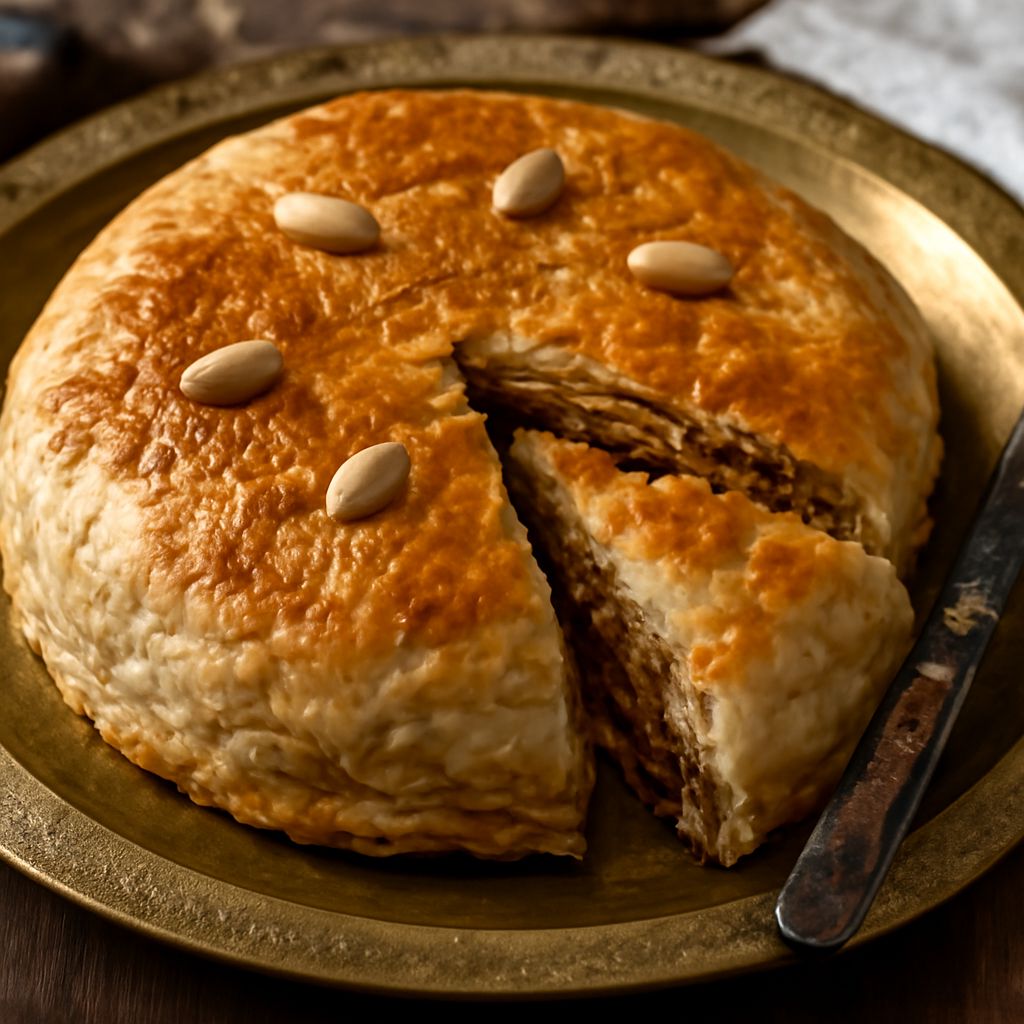
Moroccan food is an irresistible blend of Mediterranean, Berber, Arab, and French influences, making it one of the world’s most exciting cuisines. Whether you’re wandering the bustling souks of Marrakech or sitting down to a family meal in Fes, you’ll find vibrant spices, slow-cooked meats, and a symphony of flavors in every bite. Traditional Moroccan food is deeply tied to the country’s history, geography, and communal spirit, offering a culinary experience that’s as colorful as Morocco itself. If you’re curious about food in Morocco, this guide walks you through the unique qualities, essential ingredients, and beloved traditional dishes that define this cuisine, plus the customs and regional specialties that make it so memorable.
What Makes Moroccan Food Unique?
Moroccan food stands out for its bold, layered flavors and the way it weaves together influences from Berber, Arab, Andalusian, Mediterranean, and even sub-Saharan African cuisines. What sets food in Morocco apart is its harmonious balance of sweet and savory, the complexity of its spice blends, and the communal approach to both cooking and eating. Moroccan meals often feature a parade of textures: think juicy tagines with tender meat, fluffy couscous, briny olives, chewy preserved lemons, and freshly baked bread to scoop every last bite.
One of the defining features of traditional Moroccan food is its reliance on slow-cooking techniques, such as simmering stews in clay tagines or meticulously steaming couscous. Rather than relying on heavy sauces or excessive fats, Moroccan cooks layer aromatic spices, herbs, and natural ingredients to create depth and richness in their dishes. Meals are social events, often shared from communal platters, reinforcing a sense of hospitality and togetherness that is at the heart of Moroccan food culture.
In Morocco, food marks every occasion, from everyday family dinners to lavish feasts for weddings and religious celebrations. It’s common to begin a meal with an array of salads or small plates, followed by a main dish and finished with mint tea and sweet pastries. The experience is as much about the gathering as the flavors, making Moroccan cuisine both a sensory pleasure and a cultural tradition.
Moroccan food is also shaped by geography. Coastal cities like Essaouira and Agadir showcase fresh seafood, while the Atlas Mountains provide hearty grains and root vegetables. The spice markets of Marrakech and Fes overflow with saffron, cumin, cinnamon, and ras el hanout—a signature blend that includes up to 30 spices. This regional variety means that every meal in Morocco is a chance to taste a different facet of the country’s culinary identity.
Key Ingredients in Traditional Moroccan Food
The foundation of traditional Moroccan food lies in its ingredients. Spices are used not for heat, but for their ability to build complexity and fragrance. Cumin and coriander lend earthiness, ginger and cinnamon add warmth, and the coveted saffron brings a delicate floral note as well as color. Paprika, black pepper, turmeric, and ras el hanout—a unique, house-blended spice mix—are also staples in Moroccan kitchens.
Fresh herbs play a starring role in Moroccan food, with parsley, cilantro, and mint appearing in salads, soups, and as finishing touches. Lemons (especially preserved lemons) are essential for their tart, salty depth, while olives provide briny complexity. Garlic and onions are almost always part of the flavor base, giving dishes their signature aromatic punch.
Moroccan cuisine uses a variety of proteins, but lamb and chicken are the most common. Beef and fish also feature prominently, depending on the region. Vegetables such as carrots, zucchini, eggplant, potatoes, tomatoes, and pumpkin form the backbone of many stews and salads. Chickpeas, lentils, and fava beans are key for plant-based protein, especially in soups and vegetarian dishes.
Couscous, made from semolina wheat, is arguably Morocco’s most iconic grain, served steamed and fluffy with meat, vegetables, and broth. Bread—especially round, flat loaves known as khobz—is served with almost every meal, used for scooping up dips, salads, and sauces. Almonds, dates, apricots, and honey are common in both savory and sweet preparations, giving dishes a luxurious finish and a nod to Morocco’s ancient trade routes.
Essential Traditional Moroccan Dishes
If you want to experience the heart of Moroccan food, you need to try its most celebrated traditional dishes. Each delivers a distinct balance of flavors, textures, and aromas, and showcases the country’s culinary diversity. Here’s what you shouldn’t miss:
Tagine
The tagine is perhaps the most iconic example of traditional Moroccan food. Named after the conical clay pot it’s cooked in, a tagine is a slow-cooked stew that can feature lamb, chicken, beef, or fish, combined with vegetables, dried fruits, nuts, and a complex blend of spices. Classic versions include chicken with preserved lemon and olives, lamb with prunes and almonds, and fish tagine with tomatoes, potatoes, and peppers. The slow, gentle cooking process infuses every ingredient with the flavors of the spices and the earthy clay pot itself.
Couscous
Couscous is Morocco’s national dish and a Friday tradition for families across the country. Unlike the quick-steamed version you may find abroad, authentic Moroccan couscous is hand-rolled and steamed several times over a fragrant broth. It’s typically served with a heaping mound of vegetables—carrots, zucchini, pumpkin, and chickpeas—piled over a bed of couscous, then topped with your choice of lamb, chicken, or beef. The dish is finished with a ladle of broth and sometimes a sweet-savory garnish of caramelized onions and raisins called tfaya.
Harira
Harira is Morocco’s beloved soup, especially during Ramadan when it’s served to break the fast. This hearty, tomato-based soup is made with lentils, chickpeas, small bits of lamb or beef, rice or noodles, and a medley of parsley, celery, coriander, ginger, and cinnamon. It’s rich enough to be a meal on its own and is typically enjoyed with dates and chebakia, a sesame-sweetened pastry.
B’stilla (Pastilla)
B’stilla is a savory-sweet pie that’s a highlight of Moroccan food. Traditionally made with pigeon (though chicken is now common), the filling combines meat, eggs, almonds, cinnamon, and sugar, all wrapped in layers of thin, flaky warqa pastry. The pie is dusted with powdered sugar and cinnamon before serving, creating a unique interplay between savory and sweet, crunchy and tender. B’stilla is often served at special occasions, such as weddings or celebrations.
Moroccan Salads
No Moroccan meal is complete without an array of vibrant salads. These can be as simple as tomato and cucumber with olive oil and parsley or as complex as zaalouk (smoky eggplant salad), taktouka (bell peppers and tomatoes), and carrot salad with cumin and lemon. These small plates are served as starters, meant to be scooped up with bread and shared.
Mechoui and Kefta
Mechoui is Morocco’s answer to slow-roasted barbecue. A whole lamb is seasoned with spices, roasted in a clay oven or over coals, and served so tender it falls off the bone. Kefta refers to spiced ground meat, typically beef or lamb, shaped into patties or skewers and grilled, then served with tomato sauce or in sandwiches with bread and salads. Both dishes showcase Morocco’s love of grilled and roasted flavors, simple but deeply satisfying.
Dining Customs and Food Culture in Morocco
Food in Morocco is much more than sustenance—it’s a celebration of hospitality, family, and tradition. Meals are typically communal, with everyone gathered around a large dish or platter. It’s customary to eat with your right hand, using bread to scoop up food, while the left hand remains off the table. If you’re a guest, you’ll almost always be offered more food than you can possibly eat, as generosity is a point of pride in Moroccan households.
Meals start with the washing of hands, often at the table with a decorative silver basin and pitcher. Bread, the centerpiece of every meal, is broken and shared, not sliced. The main dish is usually placed in the center, and diners eat from their own “triangle” of the platter. It’s polite to eat from the section in front of you, and hosts will sometimes place a choice piece of meat or vegetable on your side as a sign of respect.
Tea is a vital part of Moroccan food culture, especially Moroccan mint tea (also called “Moroccan whisky” for its social role). This sweet, fragrant green tea is poured from a height to create a frothy top and is served at any hour, always in small glasses. It’s a symbol of hospitality, and refusing an offer of tea is considered impolite.
During Ramadan and other religious holidays, communal meals take on even greater significance. Families break the fast with dates and harira, then gather for a feast of traditional Moroccan dishes. Special breads, sweets, and pastries like chebakia and sfenj (Moroccan doughnuts) make holiday tables especially festive. Sharing and generosity aren’t just customs—they’re an integral part of Moroccan food identity, shaping how every meal is prepared and enjoyed.
Exploring Regional Flavors Across Morocco
The diversity of food in Morocco is matched only by the variety of its landscapes, from the rugged Atlas Mountains to the windswept Atlantic coast and the rolling Sahara dunes. Each region brings its own twist to traditional Moroccan food, shaped by local ingredients, history, and cultural influences.
Marrakech is famous for its richly spiced tagines, bustling night markets, and dishes like tanjiya—a slow-cooked beef or lamb stew prepared with preserved lemon, garlic, cumin, and saffron, then cooked overnight in the city’s communal ovens. In Fes, the medieval heart of Moroccan gastronomy, you’ll find b’stilla, aromatic lamb tagines, and dozens of salads. Fes is also known for its unique use of spices like fennel and anise, as well as for its sweet-savory combinations.
On the Atlantic coast, cities like Essaouira and Agadir showcase Morocco’s seafood bounty. Grilled sardines with chermoula—a marinade of garlic, cilantro, paprika, cumin, and lemon—are a local specialty, as are fish tagines and octopus salads. Here, the food is fresher and lighter, often highlighting the day’s catch with minimal adornment to let natural flavors shine.
Head to the Atlas Mountains and you’ll discover hearty, rustic dishes perfect for the colder climate: tajine berbère with lamb and root vegetables, stews thickened with barley, and hand-rolled couscous made from scratch. The Berber communities of the High Atlas have preserved ancient techniques and flavors, such as preserved butter (smen) and wild mountain herbs.
In the Sahara, the cuisine adapts to arid conditions with preserved foods and simple, nourishing dishes. Dates, dried meats, and madfouna (a stuffed bread often called the “Berber pizza”) sustain travelers and locals alike. Here, communal dining and sharing are practical necessities as well as cherished cultural values, reflecting the harsh beauty and hospitality of the desert.
Traveling through Morocco, you’ll find that every city, town, and village has its own specialties—whether it’s the fiery ras el hanout of the north, the delicate pastries of Rabat, or the herb-laden stews of the countryside. This regional variety ensures that exploring Moroccan food is a journey of endless discovery, with each meal revealing a new layer of flavor and tradition.