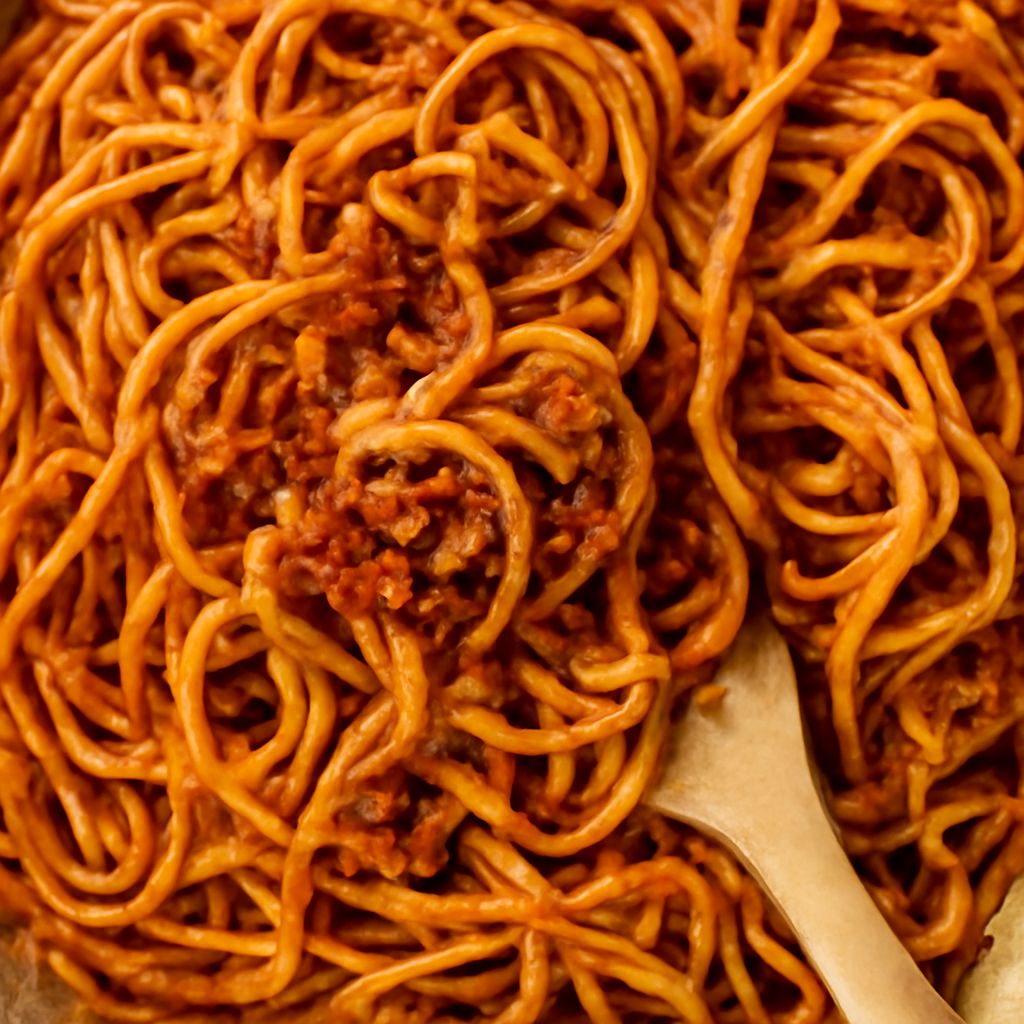
When you want dinner on the table fast, nothing beats easy spaghetti recipes. With minimal prep, pantry-friendly ingredients, and universal appeal, spaghetti is a go-to for busy weeknights, lazy Sundays, and everything in between. This guide covers a simple spaghetti recipe anyone can master, plus tips and creative twists to keep it fresh. Whether you’re a kitchen newbie or looking for a no-stress standby, you’ll learn how to make easy spaghetti that’s perfectly cooked, full of flavor, and ready in under 30 minutes. Let’s get started with what makes these recipes a must-have for your routine.
Why Easy Spaghetti Recipes Are Kitchen Essentials
There’s a reason easy spaghetti recipes are staples in kitchens everywhere. First, spaghetti is inexpensive, widely available, and shelf-stable. You don’t need specialty ingredients or advanced skills—just a pot, a colander, and a handful of basics. That makes spaghetti perfect for students, families, and anyone managing a busy schedule or tight budget.
Another major benefit: spaghetti is endlessly adaptable. You can make a simple spaghetti recipe with just garlic, olive oil, and pasta, or add protein, vegetables, and herbs for more depth. Because the core technique is straightforward, you can scale the dish for a crowd or keep it single-serve without extra fuss. The ease of customization also means you’re less likely to get bored, even if spaghetti is a weekly repeat.
And finally, easy spaghetti is a true crowd-pleaser. Kids love it, picky eaters rarely complain, and it pairs well with almost any side. With a few staple ingredients in your pantry, you can always whip up a satisfying meal, reducing reliance on takeout and streamlining your grocery runs. No matter your cooking style or skill level, quick spaghetti recipes are essential for stress-free dinners.
Essential Ingredients for Simple Spaghetti
The beauty of simple spaghetti is in its basic, easy-to-source ingredients. Here’s what you’ll need for the classic approach and some optional upgrades to try as you get comfortable with the recipe:
- Dried Spaghetti: Any brand works, but look for 100% durum wheat for the best texture. Standard spaghetti, thin spaghetti, or whole wheat are all good options.
- Salt: Essential for seasoning the pasta water and enhancing the final flavor.
- Extra Virgin Olive Oil: A good-quality oil boosts flavor, especially in oil-based sauces.
- Garlic: Fresh garlic cloves (minced or finely chopped) are preferred, but garlic powder works in a pinch.
- Canned Whole Tomatoes or Tomato Sauce: For a classic red sauce, use quality canned San Marzano tomatoes or your favorite tomato sauce. If you prefer, crushed tomatoes or even a jarred sauce can substitute.
- Onion (Optional): Adds sweetness and depth to the sauce.
- Dried or Fresh Herbs: Basil, oregano, and parsley are classic. Red pepper flakes add a gentle heat if you like a little kick.
- Grated Parmesan Cheese: For finishing, it adds saltiness and savory richness.
For the most basic easy spaghetti, you only need pasta, oil, garlic, and tomatoes. If you want to bulk up your meal or add nutrition, keep these extras on hand:
- Protein: Ground beef, Italian sausage, chicken, or tofu can be browned and added to the sauce.
- Vegetables: Bell peppers, zucchini, mushrooms, spinach, or carrots sauté quickly and bring color, texture, and nutrients.
- Finishing Touches: Fresh basil, red pepper flakes, or a drizzle of good olive oil just before serving elevate the dish.
Having these ingredients stocked means you can whip up simple spaghetti on short notice, customizing as needed for your preferences or what’s on hand. The real secret to quick spaghetti recipes is flexibility—don’t be afraid to experiment within this framework.
Step-by-Step: The Best Simple Spaghetti Recipe
This easy spaghetti recipe makes classic, satisfying spaghetti with tomato sauce in about 25 minutes. It serves four, but you can halve or double the quantities as needed. Follow each step for best results, and use the optional add-ins if you want to make it your own.
-
Gather Ingredients:
- 12 ounces dried spaghetti
- 2 tablespoons extra virgin olive oil
- 3 cloves garlic, minced
- 1 small onion, diced (optional)
- 1 can (28 ounces) whole tomatoes, crushed by hand or with a spoon
- 1 teaspoon dried basil (or a handful of fresh, torn at the end)
- 1/2 teaspoon dried oregano
- 1/2 teaspoon salt, plus more for pasta water
- 1/4 teaspoon black pepper
- Pinch of red pepper flakes (optional)
- Grated Parmesan cheese and extra olive oil for serving
-
Cook the Spaghetti:
- Bring a large pot of water to a rolling boil. Add a generous tablespoon of salt. Add the spaghetti and stir so it doesn’t stick. Cook according to package directions (typically 9–11 minutes), stirring occasionally, until just al dente—tender but still with a slight bite.
- Reserve about 1/2 cup of pasta water, then drain the spaghetti.
-
Make the Tomato Sauce:
- While the pasta cooks, set a large skillet or saucepan over medium heat. Add the olive oil, then the onion (if using). Sauté until soft and translucent, about 3–4 minutes.
- Add the garlic and cook for 30 seconds, just until fragrant—don’t let it brown.
- Pour in the crushed tomatoes with their juices. Add the basil, oregano, salt, pepper, and red pepper flakes. Stir to combine.
- Simmer the sauce, uncovered, for 10–12 minutes, stirring occasionally. The sauce should thicken slightly but still coat the spaghetti easily. Taste and adjust seasoning as needed.
-
Combine Spaghetti and Sauce:
- Add the drained spaghetti directly into the sauce. Toss well to coat, adding a splash or two of the reserved pasta water if the sauce seems too thick.
- Cook together for 1–2 minutes over low heat, allowing the pasta to absorb the sauce and finish cooking.
-
Finish and Serve:
- Divide the spaghetti among plates or bowls. Drizzle with extra olive oil and a generous shower of Parmesan cheese. Top with torn fresh basil if you have it.
- Serve immediately, with more Parmesan and red pepper flakes on the side.
This simple spaghetti recipe creates a balanced, flavorful dish that’s never bland or watery. The secret is simmering the sauce until it thickens and finishing the pasta in the sauce for full flavor. With a handful of ingredients and clear steps, you’ll have a classic Italian-inspired dinner that feels special but takes minimal effort.
Quick Tips for Perfect Easy Spaghetti Every Time
Once you know the basics, mastering quick spaghetti recipes is all about small tweaks and good habits. These tips will help you avoid common pitfalls and make your spaghetti taste restaurant-quality, every single time.
- Use Plenty of Water: Spaghetti needs space to move while boiling to prevent sticking. Use at least 4–5 quarts of water for a full pound of pasta.
- Salt the Water Generously: Pasta water should taste “like the sea.” This is your main chance to season the pasta itself.
- Don’t Overcook the Pasta: Start tasting the spaghetti a minute or two before the package says it’s done. It should be al dente—firm to the bite, not mushy.
- Reserve Pasta Water: The starchy water helps the sauce cling to the spaghetti and can thin a sauce that’s too thick.
- Finish Cooking in the Sauce: Tossing the drained spaghetti with the sauce in the pan for the last minute or two helps the flavors marry and ensures the pasta isn’t dry.
- Customize to Taste: Sauté veggies, brown some ground meat, or add a splash of cream for richness. Don’t be afraid to riff on the base recipe once you know what you like.
- Garnish Like a Pro: A drizzle of olive oil, a handful of chopped herbs, or a squeeze of lemon brightens the flavors and looks inviting.
- Reheat Gently: If you have leftovers, warm them in a skillet with a splash of water or broth to revive the sauce and keep the pasta from drying out.
With a bit of practice, your easy spaghetti will turn out perfectly every time—no sticking, clumping, or bland noodles. Keeping the focus on high-quality ingredients and these proven techniques ensures your quick spaghetti recipe comes together without stress, even on the busiest nights.
Creative Variations on Quick Spaghetti Recipes
Once you’ve mastered classic easy spaghetti, it’s fun to try variations that bring new flavors, textures, and even cuisines to the table. Here are some crowd-pleasing twists that keep things interesting and help you use what’s in your fridge and pantry:
- Spaghetti Aglio e Olio: Sauté sliced garlic in olive oil until fragrant but not browned, toss with cooked spaghetti, and finish with red pepper flakes and parsley. Simple and incredibly flavorful, this is Italian comfort food at its best.
- Spaghetti Carbonara: Cook chopped pancetta or bacon until crisp, whisk eggs with grated Parmesan, and toss the hot pasta with the egg mixture off the heat until creamy (no cream needed). The heat of the pasta cooks the eggs into a silky sauce.
- Vegetable-Packed Spaghetti: Sauté diced bell peppers, zucchini, mushrooms, or spinach and fold them into your basic tomato sauce. This is an easy way to boost nutrition and color.
- Spaghetti with Meat Sauce: Brown ground beef, pork, turkey, or chicken with onion and garlic, then add to your tomato sauce. Simmer until thick and hearty—a classic for a reason.
- Spicy Arrabbiata: Add more red pepper flakes and a spoonful of tomato paste to your sauce for heat and concentrated flavor.
- One-Pot Spaghetti: Combine uncooked spaghetti, sauce ingredients, and about four cups of water in a single pot. Bring to a boil and cook, stirring frequently, until the pasta is tender and the sauce is thickened. Easy cleanup, perfect consistency.
- Spaghetti Pesto: Toss hot pasta with homemade or jarred basil pesto, lemon zest, and toasted pine nuts. This fresh, herby sauce is excellent with cherry tomatoes or grilled chicken.
For gluten-free needs, substitute your favorite gluten-free spaghetti. Whole-wheat or legume-based pastas work well and add extra protein and fiber. You can also try different cheeses (like Pecorino Romano or Grana Padano) for a unique finish, or add olives, capers, or sundried tomatoes for a Mediterranean twist.
With these variations, you’ll never run out of delicious, quick spaghetti recipes to try. Each one uses the same core technique, so you can build confidence and flexibility in the kitchen—knowing a great dinner is always minutes away.