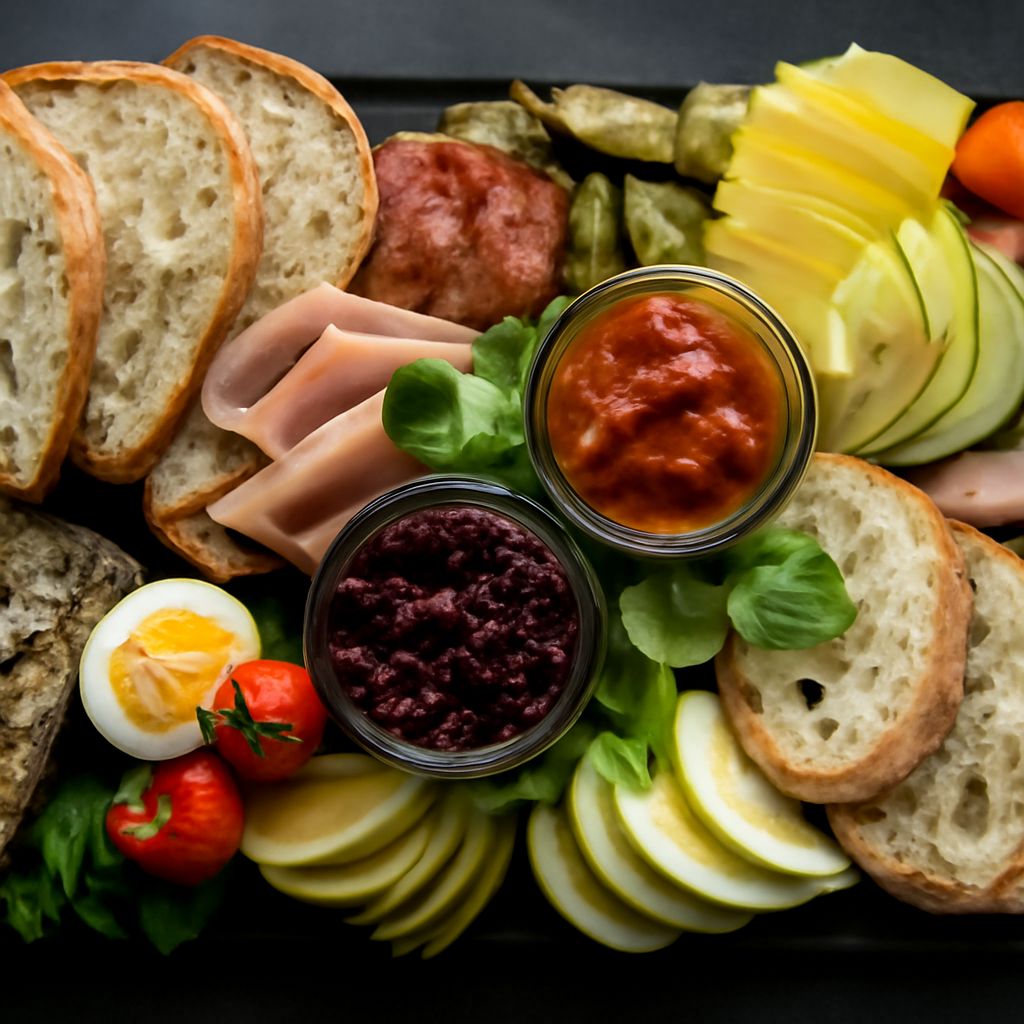
The ploughman’s lunch is the quintessential British pub meal—abundant, rustic, and designed for convivial grazing. At its heart, this meal is a celebration of traditional English ingredients: robust cheeses, hearty bread, tangy pickles, and crisp salad, all arranged invitingly on a platter. Whether you call it a ploughman’s lunch or ploughman’s platter, it’s both comforting and customizable, perfect for lunch, a picnic, or a casual party. Here you’ll learn exactly what makes up a classic ploughman’s, its cultural roots, how it’s served across the UK, and step-by-step tips to assemble your own version at home.
What Is a Ploughman’s Lunch?
A ploughman’s lunch is a cold meal most often found in British pubs and countryside tearooms, typically featuring a selection of cheese, crusty bread, and tangy accompaniments. Unlike a standard sandwich or salad, a ploughman’s platter is deliberately simple yet hearty, designed for easy sharing and relaxed eating. The focus is on high-quality, unprocessed ingredients that showcase local flavors and traditions.
The classic ploughman’s lunch centers around three main components: a generous wedge of cheese (most commonly Cheddar), fresh bread (often a crusty farmhouse loaf), and pickles or chutneys (with Branston Pickle being a popular choice). To round out the meal, you’ll usually find a crisp apple or bunch of grapes, slices of ham, boiled eggs, salad vegetables like tomatoes and lettuce, and sometimes even a pork pie or pate. Butter, pickled onions, and English mustard are frequent extras.
This meal isn’t served as a conventional sandwich. Instead, everything appears separately on a wooden board or large plate, so you can mix and match every bite as you please. The ploughman’s lunch is meant to be informal, generous, and satisfying, evoking a sense of English rural hospitality whether enjoyed in a pub, garden, or at your kitchen table.
Outside of Britain, variations exist—most famously as the “plowmans lunch” in American settings, where it’s sometimes adapted to local tastes with different cheeses, meats, or pickles. This adaptability is key to its lasting popularity.
The Origins and History of the Ploughman’s Lunch
Although the foods found on a ploughman’s platter have been British staples for centuries, the concept of the “ploughman’s lunch” as we know it is surprisingly modern. The roots stretch back to rural workers’ customary midday meals—simple, portable, and made from whatever was easily packed or available: bread, cheese, and onions.
The phrase “ploughman’s lunch” first appeared in print in the early 19th century, but the meal in its current form became widely recognized in the 1950s and 1960s. During this postwar period, British breweries and the Cheese Bureau—a promotional body for English cheese—actively promoted the ploughman’s lunch as a traditional, wholesome pub meal. Their goal was to boost cheese sales and encourage pub lunches, especially as rationing ended and British pubs sought to attract a wider lunchtime crowd beyond just drinkers.
This marketing push helped create the iconic image: a wooden board laden with mature Cheddar, crusty bread, pickles, and salad. The “traditional” aspect was emphasized, even though the standardized platter was a relatively recent invention. Nevertheless, the idea caught on, and the ploughman’s lunch became a fixture of pub menus across the country.
Today, the ploughman’s lunch holds a nostalgic place in British food culture. It is a symbol of simplicity and rustic comfort, beloved for both its history and its unpretentious charm. The meal continues to evolve, but its core identity remains rooted in rural tradition and the pleasures of sharing simple, well-made food.
Essential Ingredients of a Ploughman’s Platter
To build a classic ploughman’s lunch, you only need a handful of top-quality ingredients, but each plays a crucial role. The secret is using the freshest produce and most flavorful accompaniments you can find. Here are the essentials that make a ploughman’s platter both traditional and irresistible:
- Cheese: Mature Cheddar is the standard, but Stilton, Red Leicester, Double Gloucester, or locally produced farmhouse cheeses are also common. Choose a cheese with robust flavor and good texture—aged, crumbly, and full of character.
- Bread: Thick slices of crusty bread are vital. A country-style white or wholemeal loaf, sourdough, or a dense brown bread all work. The bread should be hearty enough to hold up to spreading with butter and topping with cheese or chutney.
- Pickles and Chutneys: Branston Pickle is a classic choice, but any sharp, tangy British-style pickle or homemade chutney fits the bill. Pickled onions, gherkins, or a spoonful of piccalilli add brightness and punch.
- Butter: Always serve with fresh, salted butter. It’s for spreading on the bread or simply enjoying with a bite of cheese.
- Salad: A handful of crisp lettuce, slices of ripe tomato, cucumber, and sometimes radishes. The salad should be fresh but simple, offering a refreshing counterpoint to the rich cheese and bread.
- Apple or Grapes: The sweetness and freshness of apple slices or a small bunch of grapes balance the savory elements. These fruits also evoke the meal’s origins in the English countryside.
- Ham or Cold Meats (optional): Slices of English ham, roast beef, or even a wedge of pork pie are common additions, especially in larger or more elaborate versions.
- Egg or Pâté (optional): A simple hard-boiled egg or a small portion of country pâté is sometimes included for extra variety.
- Mustard: A dab of hot English mustard can add a spicy kick for those who like it.
Each component should stand alone in terms of flavor and quality—there’s nowhere for bland ingredients to hide. The beauty of a ploughman’s platter is its flexibility; you can add or subtract items to suit your taste, dietary needs, or what’s in season.
Presentation matters too. Arrange everything attractively on a wooden board, slate, or large plate, keeping each element separate so you can build each mouthful to your liking. The result should be generous, colorful, and inviting.
Regional Variations and Serving Traditions
Across Britain, the ploughman’s lunch adapts to local tastes and ingredients. While the foundation—cheese, bread, and pickles—remains constant, regional variations highlight the diversity of local British food culture. Here’s how the ploughman’s platter can change depending on where you find it:
In Somerset and Devon, you’re likely to see West Country Cheddar, farmhouse cider, and perhaps a slice of apple cake alongside your bread and pickles. The cheese itself may be a traditional clothbound wheel, with deep, nutty flavor that reflects the area’s dairy heritage.
In Leicestershire or Derbyshire, the cheese might shift to Red Leicester or Blue Stilton, and the ploughman’s might come with a pork pie or a local sausage. Some Welsh versions feature Caerphilly cheese and laverbread (a seaweed spread), while Scottish ploughman’s platters can include oatcakes, Scottish Cheddar, and a side of chutney made with local berries.
Pub traditions also influence the meal’s presentation. Some pubs include a cup of soup in winter, or a Scotch egg for extra protein. In urban gastropubs, you might encounter artisanal twists: goat cheese with fig chutney, sourdough from a local bakery, or microgreens instead of simple lettuce. Still, even with modern innovations, the ploughman’s lunch retains its rustic, do-it-yourself spirit.
The drink pairing is another tradition: the classic accompaniment is a pint of English ale or cider. The earthy, malty flavors of real ale, or the crisp tang of cider, cut through the richness of the cheese and bread. Many pubs offer regional beers or local ciders to match the cheese you’re served, deepening the sense of place. For non-drinkers, apple juice or a tart homemade lemonade works beautifully.
How to Assemble and Enjoy a Ploughman’s Lunch at Home
Recreating a ploughman’s lunch in your own kitchen is easy, fun, and endlessly adaptable. Whether you’re preparing a casual lunch for yourself, a picnic for two, or a grazing board for a crowd, follow these steps to build an authentic and satisfying platter.
-
Choose Your Cheese:
Pick one or two contrasting cheeses. A classic mature Cheddar is essential, but consider adding a blue cheese, a crumbly Red Leicester, or a wedge of soft, tangy goat cheese for variety. Aim for about 2-3 ounces of cheese per person. Let the cheese sit at room temperature for 30 minutes before serving to maximize flavor.
-
Get Good Bread:
Slice a hearty loaf thickly. A rustic white or wholemeal, a seeded country bread, or an artisan sourdough are all good choices. Serve at least 2 thick slices per person. If the bread is a day old, briefly warm it in the oven for a soft interior and crisp crust.
-
Add Pickles and Chutneys:
Offer a generous spoonful of Branston Pickle, piccalilli, or your favorite local chutney. Add a small bowl of pickled onions or gherkins. If you’re a fan of spice, English mustard brings a fiery contrast.
-
Include Salad and Fruit:
Wash and dry crisp romaine or butter lettuce. Cut vine-ripened tomatoes into wedges, and slice cucumber thickly. Add a handful of grapes or apple slices for color and sweetness. For a picnic, pack each ingredient in its own container to preserve freshness.
-
Offer Cold Meats and Extras:
If you want a more substantial meal, add slices of roast ham, cold roast beef, a wedge of pork pie, or a hard-boiled egg. For a vegetarian platter, try marinated artichokes, roasted peppers, or a small bowl of hummus. Don’t forget a pat of salted butter for spreading.
-
Arrange and Serve:
Lay everything out on a large platter, wooden board, or slate. Keep each component separate for a bountiful, inviting look. Serve with small knives and spoons for spreading and scooping. Encourage everyone to build their own bites—cheese on bread with pickle, ham wrapped around apple, or any combination that appeals.
-
Pair with a Drink:
A classic English ale, craft cider, or a glass of dry white wine all complement the meal. For a nonalcoholic option, try sparkling water with lemon or artisanal apple juice. A pitcher of chilled homemade lemonade also fits the picnic mood.
What makes the ploughman’s lunch so enduring is its blend of tradition and flexibility. It’s both a nod to rural British roots and a canvas for your favorite local ingredients. Whether enjoyed in a centuries-old pub, on a checkered picnic blanket, or at your kitchen table, a well-built ploughman’s platter invites you to savor each bite—and every moment.