The most expensive restaurant in the world is not a fixed title. It changes as menus, tasting experiences, and price rules change, so the real answer depends on how you measure cost. In practice, you are usually comparing extreme tasting menus, private dining formats, rare ingredients, and beverage pairings—not a simple à la carte bill.
If you want to understand luxury dining without getting misled by headlines, focus on what the price includes, how the restaurant defines the experience, and whether the number reflects one person, one table, or one full package. That is the difference between a memorable benchmark and a misleading comparison.
What To Know About the Most Expensive Restaurant in the World
When people ask about the most expensive restaurant in the world, they are usually looking for the highest publicly reported dining cost in a fine-dining setting. But “expensive” can mean several different things: the priciest tasting menu, the costliest private dining experience, the most expensive one-time meal, or the restaurant with the highest average spend per guest.
That means you should read any ranking carefully. A restaurant might top a list because of a multi-course tasting menu with rare ingredients, while another may charge more only when you add wine pairings, caviar service, or a private room buyout. The headline number alone does not tell you how the meal actually works.
For dining literacy, the key question is simple: what is included in the price? A luxury meal can cover many courses, premium service, rare products, and sometimes custom pacing or guest-specific menu changes. If you compare without checking those details, you can easily mistake a total package for a menu price.
How Price Rankings Are Judged and Why They Change
There is no single global authority that permanently crowns one restaurant as the most expensive. Rankings are time-sensitive examples based on public menus, media reports, and published luxury dining packages. That is why the answer can change from year to year and even from season to season.
You should look at the criteria behind the claim:
- Menu price only versus full experience price
- Per person cost versus per table cost
- Whether beverages, tax, and service are included
- Whether the price is a public menu rate or a custom private arrangement
- Whether the figure is current, archived, or estimated
Prices also change because ingredients, labor, and supply costs change. A restaurant known for seasonal luxury ingredients may revise its tasting menu several times a year. Exchange rates and local taxes can also affect how an international price is reported. So a “record” can be real and still be temporary.
The safest way to interpret a luxury ranking is to treat it as a snapshot, not a permanent label. If you want a meaningful comparison, compare like with like: same country, same menu format, same number of courses, and same inclusions.
What Drives the Cost of the World’s Most Expensive Restaurant
The highest-end dining prices usually come from a mix of food, service, and experience design. Rare ingredients matter, but they are only part of the total.
1. Rare or premium ingredients
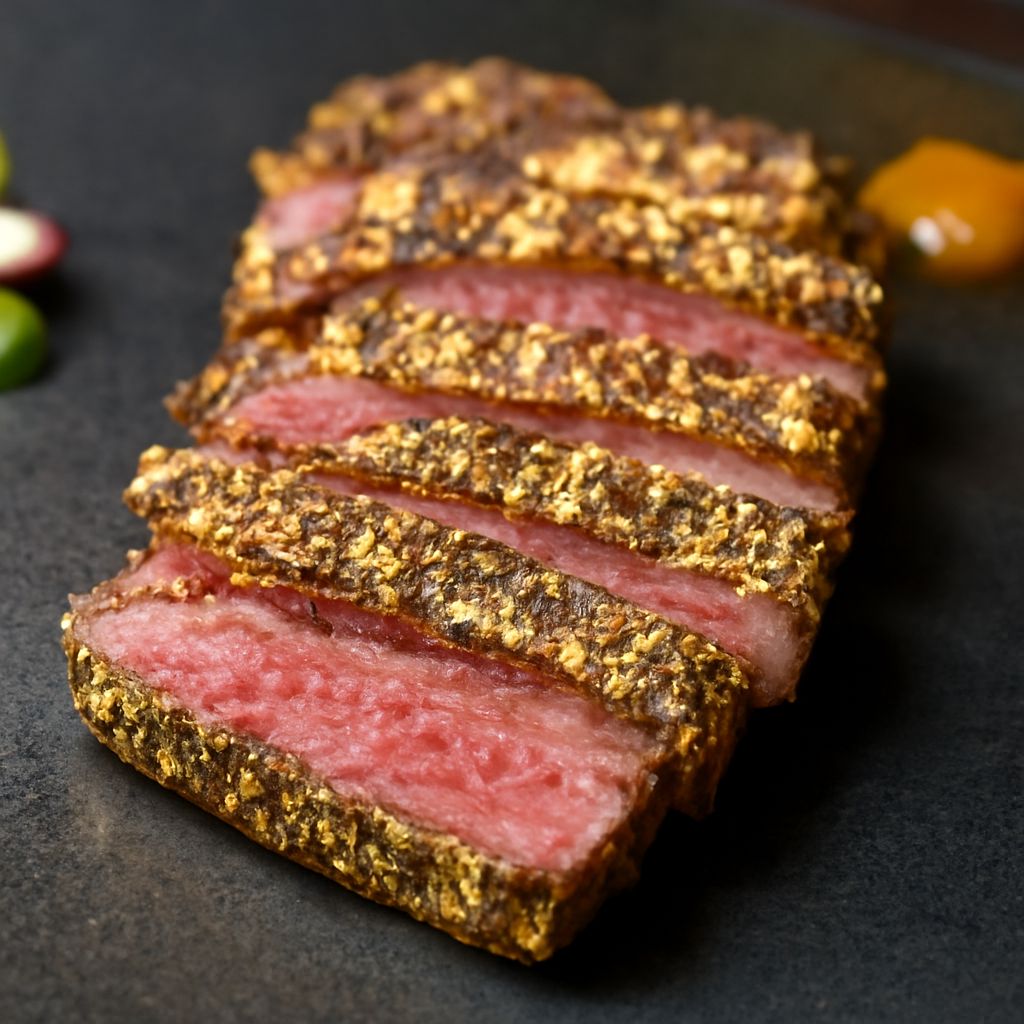
Expect items such as caviar, truffles, uni, wagyu, blue lobster, edible gold, or highly seasonal produce. The more difficult an ingredient is to source, the more it can shape the final bill.
2. Labor-intensive preparation
Ultra-luxury dining often involves highly skilled techniques, long prep times, and many staff members per guest. Precision plating, custom sequencing, and tableside service all add to the labor cost.
3. Limited seating and exclusivity
A tiny dining room can raise the per-guest price because the restaurant serves fewer people. Some of the world’s most expensive dining experiences are designed to feel intimate, not high-volume.
4. Beverage pairings
Wine, sake, and cocktail pairings can dramatically increase the total. In some cases, the drinks cost more than the food portion of the meal.
5. Location and brand reputation
Dining in a major luxury market or at a globally recognized destination often comes with higher overhead and stronger pricing power. You are paying for reputation as well as the plate.
6. Presentation and service format
A meal that includes multiple acts, custom serviceware, private pacing, and a highly choreographed experience can justify a premium even when the ingredients themselves are familiar.
Examples of Most Expensive Meals and Luxury Dining Styles
Rather than chasing one permanent winner, it helps to understand the styles that commonly appear in discussions of luxury dining. These examples show why the title can be so fluid.
Multi-course tasting menus are the most common format at the top end. They may include 10, 15, or even more courses, with each dish serving as part of a planned progression. Price rises when the menu adds premium seafood, imported beef, or rare seasonal products.
Chef’s table experiences can be more expensive than standard tasting menus because they offer direct interaction, special pacing, and a more personalized view of the kitchen’s work.
Private dining or buyout-style experiences often rank among the most costly options because you are paying for exclusivity, dedicated staff, and a customized setting. These prices may look enormous, but they are not always comparable to a normal dinner for one person.
Extravagant one-off dishes also make headlines. A single dessert, seafood tower, or gold-accented entrée may be priced for publicity and novelty, not as a standard menu anchor. That makes it important to separate publicity items from everyday luxury dining.
Historic luxury restaurants can also appear in these conversations when they maintain very expensive signature experiences or prestige-driven tasting menus. In those cases, the restaurant’s reputation plays as much of a role as the food itself.
Common Mistakes to Avoid When Comparing Expensive Restaurants
If you want to compare expensive restaurants accurately, avoid these common errors:
- Assuming one headline price tells the whole story. Many luxury meals include add-ons that are not part of the base menu.
- Mixing menu prices with package prices. A tasting menu is not the same as a private dining experience.
- Ignoring beverage costs. Pairings can change the total dramatically.
- Comparing different currencies without converting carefully. A small difference in exchange rate can distort rankings.
- Using outdated reports as current facts. Luxury dining changes fast, and yesterday’s record may already be obsolete.
- Forgetting service and tax. A quoted price may not be the final bill.
The smartest approach is to ask what kind of luxury is being measured. Are you looking at the most expensive restaurant dinner for one, the highest tasting menu price, or the priciest curated dining experience overall? Once you define the standard, the comparison becomes much clearer.
So, the most expensive restaurant in the world is best understood as a moving target. The number matters, but the context matters more. If you read the price with the right criteria, you will understand not just what costs the most, but why it does.