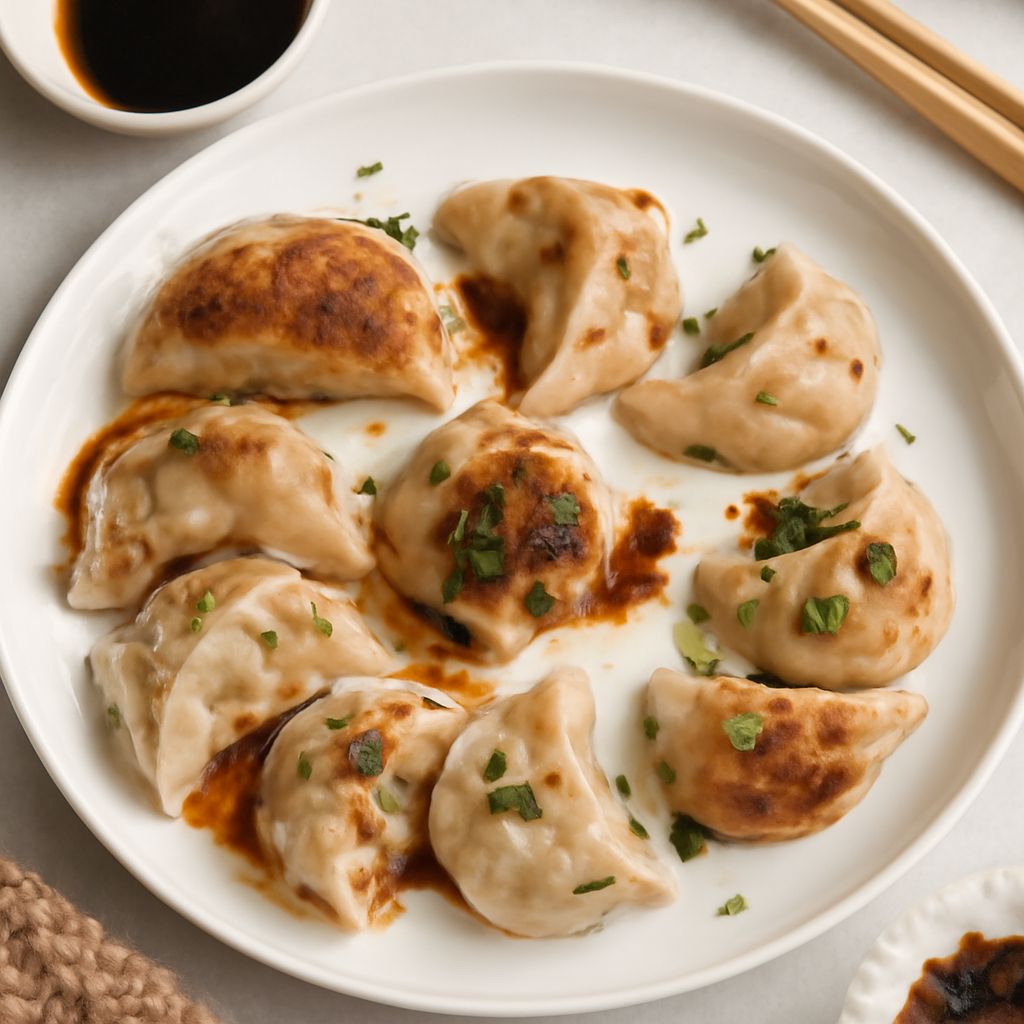
The simplest answer to potstickers vs dumplings is that potstickers belong to the broader dumpling category. A dumpling is a general food made by wrapping, enclosing, or shaping dough around a filling, then cooking it. Potstickers are typically filled dumplings finished in a pan, while wontons are usually thinner-wrapped dumplings folded into compact shapes and boiled or served in soup.
The categories overlap, so the most useful comparison looks at wrapper, shape, filling, sealing, broth, and cooking method rather than treating every dumpling as the same food.
Potstickers vs Dumplings: What Counts as a Dumpling?
Difference Between Potstickers and Dumplings: Construction and Cooking
A dumpling is the umbrella term. Across many cuisines, dumplings can be filled or unfilled, wrapped in dough, dropped by spoonful, or formed around ingredients. Chinese jiaozi, Japanese gyoza, Polish pierogi, Italian ravioli, and wontons all fit the broad idea, even though their dough, fillings, shapes, and cooking methods differ.
In the Chinese-style comparison most people mean, a filled dumpling uses a wheat-flour wrapper around meat, seafood, vegetables, or a combination. You can boil, steam, pan-fry, or add it to soup. The wrapper may be round and relatively sturdy, or thin and delicate depending on the dumpling style.
Potstickers are one specific type of filled dumpling. They usually have a round wrapper, a crescent or half-moon shape, and pleated edges. Cooks traditionally brown the flat side in a pan, add a small amount of water, and cover the pan so the dumplings steam through. This two-stage method gives you a crisp bottom and a tender, chewy top.
So, all potstickers are dumplings, but not all dumplings are potstickers. A steamed dumpling remains a dumpling without becoming a potsticker, and a boiled jiaozi differs from a potsticker mainly through its finishing method.
Dumpling vs Potsticker: Wrapper, Shape, Filling, and Seal
When you compare a dumpling vs potsticker, the main distinction is usually cooking style, supported by several construction details:
- Wrapper: Potstickers generally use a round wheat wrapper thick enough to withstand pan-frying and steaming. Other dumplings may use thicker dough for boiling, a thinner wrapper for steaming, or a dough made from rice flour, tapioca, or potatoes.
- Shape: Potstickers are commonly crescent-shaped, with the filling gathered in the center and the wrapper folded over it. Dumplings as a category can be round, pleated, sealed into pouches, or shaped like parcels.
- Filling: Potstickers often contain ground pork, napa cabbage, chives, ginger, garlic, shrimp, chicken, or vegetables. The filling tends to be substantial because the dumpling is meant to hold its shape during pan cooking.
- Seal: A potsticker usually has a tight pleated seam across the curved edge. The seal keeps juices inside and gives the top a chewy texture. Other dumplings may have a simple pressed edge or a decorative fold.
- Cooking: Pan-frying defines the potsticker experience. You brown the bottoms in oil, add water, cover the pan, and uncover it when the water evaporates. Steaming or boiling the same filled dumpling produces a different result, even if the ingredients stay the same.
- Broth use: Potstickers are usually served with a dipping sauce rather than in broth. Their crisp base would soften quickly in soup, although you can use similar fillings in a boiled dumpling soup.
Wrapper thickness affects texture and handling. A thicker wrapper gives you a pleasantly chewy bite and protects the filling during pan-frying. A thinner wrapper cooks quickly and feels more delicate, but it can split if the filling is too wet or the seam is not sealed well.
Wontons vs Dumplings: Wrapper, Shape, Filling, and Broth
Wontons vs dumplings is another category comparison: wontons are dumplings, not a separate food group. They stand out through their thin wrapper, compact folds, and strong connection to boiling and soup.
- Wrapper: Wonton wrappers are usually thin, square, and made from wheat flour and egg. Their delicate texture works well in broth but can become fragile during extended cooking. Dumpling wrappers are often round and somewhat thicker, though regional and store-bought variations exist.
- Shape: You can fold a wonton into a triangle, purse, ingot, flower, or simple sealed parcel. The shape depends on the region and recipe. Unlike the typical crescent potsticker, a wonton often has loose folded corners surrounding a small center of filling.
- Filling: Common wonton fillings include seasoned ground pork, shrimp, scallions, garlic, ginger, and water chestnuts. Wontons often use a smaller amount of filling than potstickers, leaving enough wrapper for the characteristic folds.
- Seal: Wonton folds may use water to seal overlapping corners or edges. The seal is secure but often more compact and layered than the broad pleated seam on a potsticker.
- Broth: Wontons are frequently boiled and served in clear chicken, pork, or vegetable broth with greens, noodles, scallions, or sesame oil. The thin wrapper becomes silky and tender in liquid.
- Other cooking methods: You can also steam or deep-fry wontons. Fried wontons become crisp and snack-like, while steamed wontons remain soft. These versions are still wontons because the name refers to the style of wrapper, filling, and fold, not only the cooking method.
The most practical contrast is texture. Potstickers give you a crisp, browned base and a hearty wrapper. Wontons give you a softer, silkier wrapper and usually a smaller filling-to-dough ratio, especially when served in soup.
Choose by Cooking Method: Boiling, Steaming, Soup, or Pan-Frying
Choose the style based on the texture and serving format you want:
- Choose boiling for a tender, clean finish. Boiled dumplings have soft wrappers and juicy fillings. This method works well for jiaozi, thicker filled dumplings, and wontons. Keep the water at a steady boil rather than an aggressive churn, which can tear the wrappers.
- Choose steaming for a soft, moist dumpling. Steam preserves the filling’s flavor without adding oil and keeps the wrapper tender but intact. Use a lined steamer so the dough does not stick. Wontons, crescent dumplings, and pleated vegetable dumplings can all be steamed.
- Choose soup for wontons or other small dumplings. Add boiled wontons to seasoned broth shortly before serving. The broth should cook the wrapper without leaving the dumplings sitting in liquid for so long that they split or become mushy.
- Choose pan-frying for potstickers. Arrange the dumplings in a lightly oiled pan, brown the bottoms, then add water and cover. When the water evaporates, remove the lid and let the bottoms crisp again. Serve immediately with soy sauce, rice vinegar, chili oil, or a dipping mixture.
If you want a crisp underside, choose potstickers. If you want a silky dumpling in broth, choose wontons. If you want the broadest range of shapes, fillings, and cooking methods, choose from the larger dumpling category.