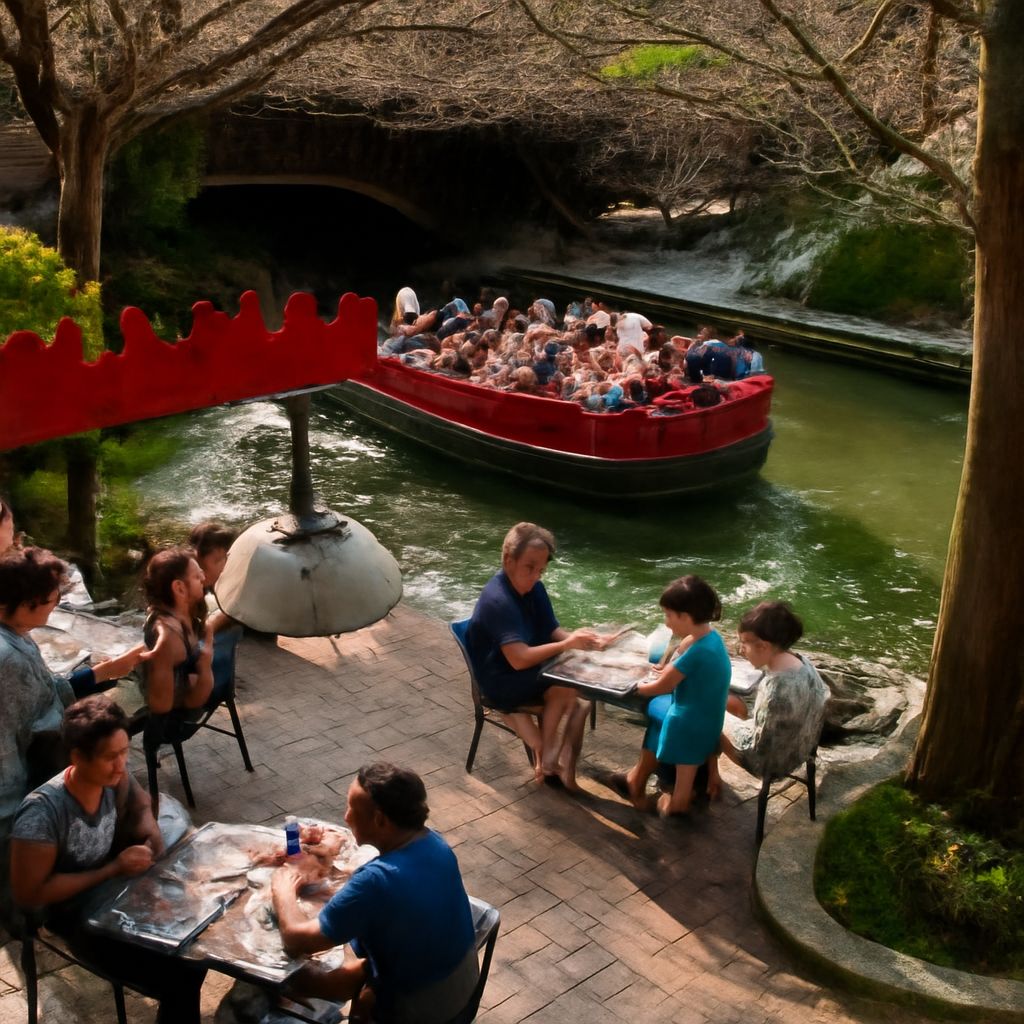
If you’re choosing a riverside restaurant, start with the kind of meal you want, then match the setting to it. The best choice is not always the closest table to the water; it’s the one that fits your timing, group size, and budget.
Use this guide to narrow the field fast. You’ll get a practical shortlist, the criteria that matter most, and a simple way to decide when a riverwalk restaurant, harbor view restaurant, or creekside restaurants option is the better fit.
Riverside Restaurant: Main Options
When people search for a riverside restaurant, they usually want one of four experiences. Pick the category that matches your plan before you compare individual spots.
- Full-service waterfront dining — Best for date nights, business meals, and celebrations. You get table service, a broader menu, and usually the strongest view-focused seating.
- Casual lunch spots by the water — Best for a relaxed meal, a working lunch, or an easy stop during a walk. These places often turn tables faster and keep the menu simpler.
- Patio-first restaurants — Best when the setting matters more than formality. You trade a little indoor polish for a more open, breezy feel.
- Occasion dining with a view — Best for birthdays, client dinners, and reservations made around sunset. These restaurants usually have the strongest atmosphere, but they also fill up fastest.
If you want a quick shortlist approach, rank each option by three things: view quality, menu fit, and reservation ease. The right riverside restaurant usually wins on all three, or clearly leads on the two that matter most to you.
Compare Riverside Restaurant Choices by What Matters
Not every water-adjacent restaurant delivers the same experience. Use the criteria below to compare your options without overthinking it.
View quality
Ask whether the view is direct, partial, or distant. A true waterfront table matters most if the scenery is part of the meal. If you mainly want a pleasant backdrop, a side-facing patio may be enough.
Noise level
Riverside spots can be lively, especially near popular walkways or outdoor seating. If you want to talk easily, look for indoor seating, earlier reservation times, or a room set slightly back from foot traffic.
Menu style
Match the menu to your purpose. A seafood-forward menu may suit a special night out, while a burger, salad, or shared-plates menu may work better for a casual stop. If your group has mixed preferences, choose a place with clear options instead of a narrow concept.
Service speed
For lunch, pre-event dining, or a short stop on a scenic outing, speed matters. A riverwalk restaurant often works better when you need efficient service and easy access to nearby activity. A more formal riverside restaurant may be the better choice if you’re not in a rush.
Reservation pressure
Popular water-view seats tend to book first. If you’re dining at peak sunset hours, weekends, or during events, book early or choose a time outside the busiest window. If you want flexibility, pick a place with enough indoor capacity to handle walk-ins.
Price and value
Pay attention to what you’re actually buying: the food, the setting, or both. Some harbor view restaurant options charge more because of the location, not because the menu is more complex. A higher price can be worth it for a special occasion, but it’s less compelling if you only want a simple meal near the water.
Weather backup
If the view depends on outdoor seating, ask what happens when the weather changes. A strong riverside restaurant should still work well indoors. If you’re sensitive to wind, heat, or rain, a covered patio or interior table gives you more control.
How to Choose the Right Riverside Restaurant for Your Visit
The easiest way to choose is to decide your priority in this order: occasion, timing, then view. That keeps you from selecting a restaurant that looks good on paper but doesn’t fit the actual plan.
- Start with the occasion. For a celebration, choose a more polished riverside restaurant. For a casual lunch, prioritize convenience and turnaround time.
- Pick the right time. If you want atmosphere, book around golden hour or sunset. If you want less noise, choose an earlier seating.
- Decide how much view matters. If the scenery is central, ask for the best water-facing seating. If it’s secondary, a partial view can save money and reduce wait time.
- Check the menu for your group. Make sure the restaurant has enough variety for vegetarians, seafood fans, or anyone who wants simpler dishes.
- Choose for comfort, not just location. The best meal usually comes from a place where you can hear each other, get seated on time, and order food you actually want.
Use this rule of thumb: if the restaurant is for the meal, choose based on food and service first; if it’s for the setting, choose based on view, seating, and timing first.
When a Riverwalk or Harbor View Restaurant Makes More Sense
A riverwalk restaurant can be the better choice when you want easy access, a walkable area, or a casual meal before or after an outing. It’s often the practical option for groups that want movement and flexibility rather than a long, seated experience.
A harbor view restaurant makes more sense when you want a wider, more open water scene and a more dramatic dining atmosphere. If your priority is a memorable setting for dinner, a harbor view can feel more special than a smaller river setting.
Creekside restaurants are usually the best fit when you want a quieter, more intimate mood. They often feel less busy than major waterfront districts, which can be ideal for lunch, brunch, or a low-key dinner.
Choose the setting that fits the experience you want:
- Riverside restaurant for balanced dining with a water view and broad appeal.
- Riverwalk restaurant for casual access, strolling, and a more active environment.
- Harbor view restaurant for a bigger visual impact and a more occasion-driven meal.
- Creekside restaurants for a calmer, tucked-away feel.
Quick Picks for Different Dining Needs
If you want the fastest possible decision, use these picks:
- Best for date night: A riverside restaurant with reservations, full service, and sunset seating.
- Best for lunch: A casual riverwalk restaurant with quick service and easy access.
- Best for a special celebration: A harbor view restaurant with a strong indoor backup and a menu that feels elevated.
- Best for a quiet meal: Creekside restaurants with lighter foot traffic and a relaxed pace.
- Best for mixed groups: A riverside restaurant with broad menu options, indoor seating, and flexible reservation times.
If you’re still deciding, choose the place that gives you the best combination of comfort, view, and menu fit. That usually beats picking purely by scenery alone.