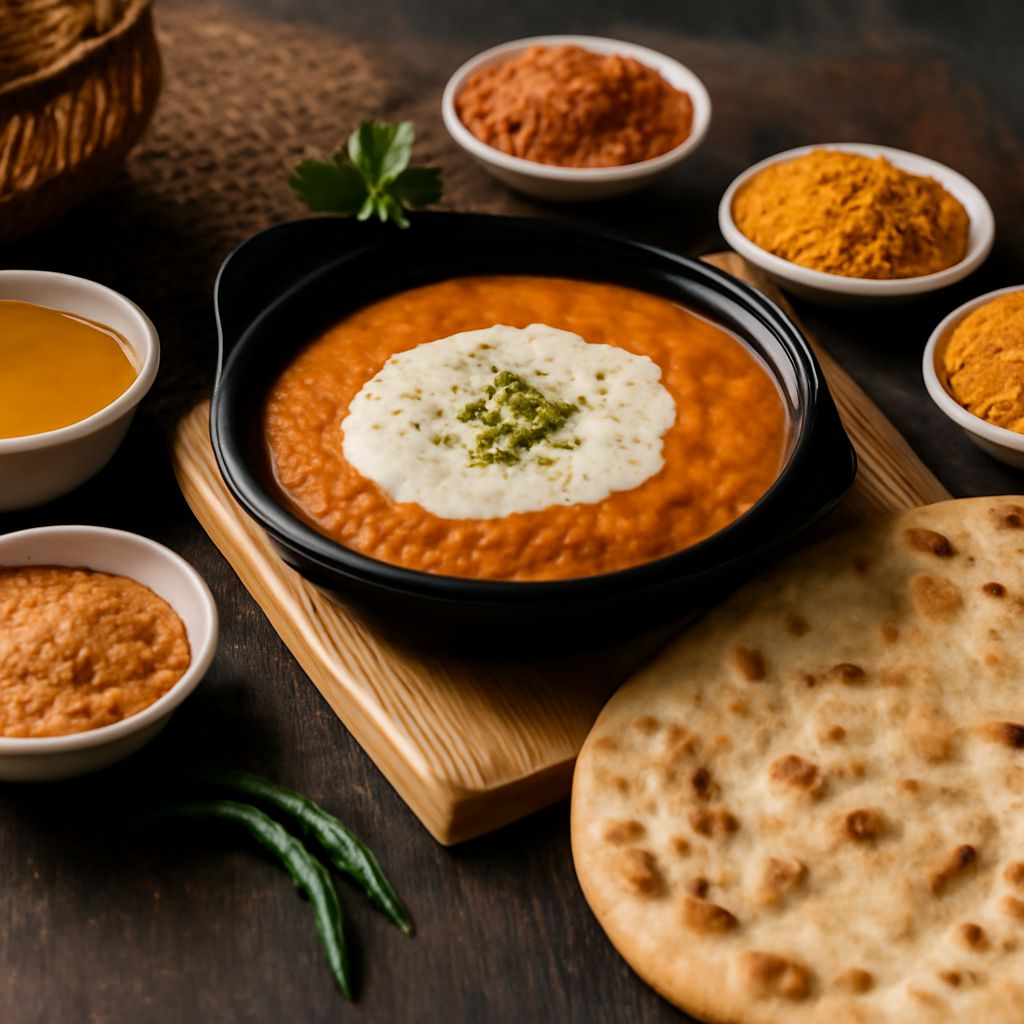
Yemeni food centers on slow-cooked meat, fragrant rice, fenugreek, flatbreads, legumes, honey, and coffee. Yemeni cuisine varies by region, but you will repeatedly find bold spice blends, tender stews, and dishes designed to share.
Yemen food traditions rely on ingredients that suit both highland kitchens and coastal markets. You can explore the cuisine through a communal plate of saltah, a platter of mandi, flaky malawah, or honey-soaked bint al-sahn.
Yemeni Food Staples: Hawaij, Hilbeh, Breads, and Shared Plates
Hawaij is one of the defining spice blends in Yemeni cooking. The savory version commonly combines cumin, black pepper, turmeric, cardamom, and coriander, although proportions differ between households. Add it to soups, meat stews, lentils, or rice for warm, earthy flavor. A separate coffee-oriented hawaij may include ginger, cardamom, cinnamon, or cloves.
Hilbeh is a whipped fenugreek sauce rather than a dry seasoning. You soak fenugreek seeds, drain them, then beat them with water until the mixture becomes pale, airy, and lightly gelatinous. Lemon, chile, coriander, or tomato can add brightness. Its gently bitter, foamy texture cuts through rich meat and is especially important on saltah and fahsa.
Bread gives many Yemeni meals their structure. You tear off pieces to scoop stew, rice, beans, or relishes, so the bread functions as both accompaniment and utensil. Meals are often placed in shared dishes at the center of the table, with diners taking portions from the common plate. You may also see individual bowls and utensils, particularly in restaurants or contemporary homes.
Regional ingredients shape the table. Highland cooking uses grains, legumes, fenugreek, and long-simmered meats, while coastal areas feature more fish and seafood. Sorghum and other local grains appear in some breads and porridges. This variation is one reason you should treat Yemeni cooking as its own tradition rather than folding it into a generalized category of Arabian Peninsula food.
Yemeni Cuisine: Rice, Meat, and Stew Dishes
Saltah and Fahsa: Fenugreek-Topped Stews
Saltah is often described as Yemen’s signature stew. Its base may contain meat broth, vegetables, potatoes, beans, or rice, depending on the cook. The hot mixture is finished with hilbeh and frequently served with sahawiq, a fresh relish of tomato, chile, herbs, and sometimes garlic. Saltah is commonly presented in a hot stone or metal serving dish, which keeps the stew bubbling at the table.
Fahsa is a more intensely meaty preparation, usually made with lamb or beef that cooks until tender and is pulled or mashed into its broth. Hilbeh crowns the dish, while green chile and herbs provide contrast. You eat fahsa with bread, using small pieces to gather the meat and sauce.
Mandi and Zurbian: Fragrant Rice and Long-Cooked Meat
Mandi pairs tender lamb, chicken, or other meat with long-grain rice seasoned with aromatics and spices. Traditionally, the meat cooks slowly in a tandoor-like pit, where smoke and gentle heat create a distinctive flavor and texture. For a home version, roast seasoned meat covered in a low oven, then cook the rice separately with stock, cardamom, cloves, cinnamon, and black pepper.
Zurbian is another celebratory rice dish, often made with lamb, chicken, or beef and layered with spiced rice and potatoes. Saffron or turmeric may color the rice, while fried onions, raisins, or nuts add sweetness and texture. Compared with mandi, zurbian usually has a more integrated, heavily seasoned rice preparation rather than a strong smoked profile.
Breads, Breakfasts, Sweets, and Coffee in Food from Yemen
Malawah is a flaky, layered flatbread made by stretching or rolling dough with oil or clarified butter, folding it, and cooking it on a griddle. Its crisp edges and tender center make it useful at breakfast with eggs, beans, cheese, or honey. Lahoh, a soft, slightly fermented, spongy bread, is another common option for dipping into stews and sauces.
Breakfast may include eggs, ful medames, beans, savory sauces, and hot bread rather than a sweet pastry alone. Legumes provide affordable protein and pair well with chile, tomato, onion, and cumin. A shared dish of beans with malawah makes an approachable introduction to the balance of richness, spice, and acidity in Yemeni cooking.
Bint al-sahn is a celebratory layered bread or pastry made from a soft yeast dough. Thin layers are brushed with butter or ghee, baked until golden, then covered with honey and sesame or nigella seeds. The result is tender inside, crisp around the edges, and less like a cake than a stack of delicate, buttery bread.
Yemeni coffee culture includes lightly roasted coffee and qishr, a drink brewed from dried coffee husks with ginger and sometimes cinnamon or cardamom. Serve either one after a meal or alongside bint al-sahn, especially when the dessert’s honey needs a bitter, aromatic counterpoint.
Yemeni Recipes to Explore: A Simple Sample Meal
For a manageable four-person meal, prepare a saltah-style stew, quick hilbeh, malawah, and honeyed tea or coffee. You can make the dishes in one afternoon without reproducing a traditional pit oven.
- Stew: Brown 1 pound of lamb, beef, or chicken with 1 diced onion in 2 tablespoons of oil. Add 1 teaspoon hawaij, 1 chopped tomato, 1 diced potato, 4 cups stock, and 1 cup cooked chickpeas or beans. Cover and simmer lamb or beef for 60 to 90 minutes, or chicken for about 35 minutes, until tender. The finished broth should taste concentrated, not watery.
- Hilbeh: Soak 2 teaspoons fenugreek seeds in water for 2 to 4 hours. Drain, rinse, and beat with 1/2 cup cold water for 3 to 5 minutes, until pale and foamy. Stir in 1 tablespoon lemon juice, a pinch of salt, and minced green chile. Spoon it over each serving of stew instead of mixing it into the pot.
- Malawah: Mix 3 cups flour, 1 teaspoon salt, and about 1 cup water into a soft dough. Knead for 5 minutes, rest for 20 minutes, divide into four pieces, and roll each thinly with oil. Fold into layers and pan-cook over medium heat for 3 to 4 minutes per side. It should be browned and flaky, not stiff.
- Finish: Serve the stew and hilbeh in a central dish with torn malawah for scooping. Follow with store-bought or homemade bint al-sahn, warmed briefly and drizzled with honey and sesame.
For more Yemeni recipes, try mandi when you want a centerpiece, fahsa when you want a deeply savory stew, or zurbian when you want a richly spiced rice dish. Keep the rice separate from strongly flavored sauces until serving so each texture remains distinct.