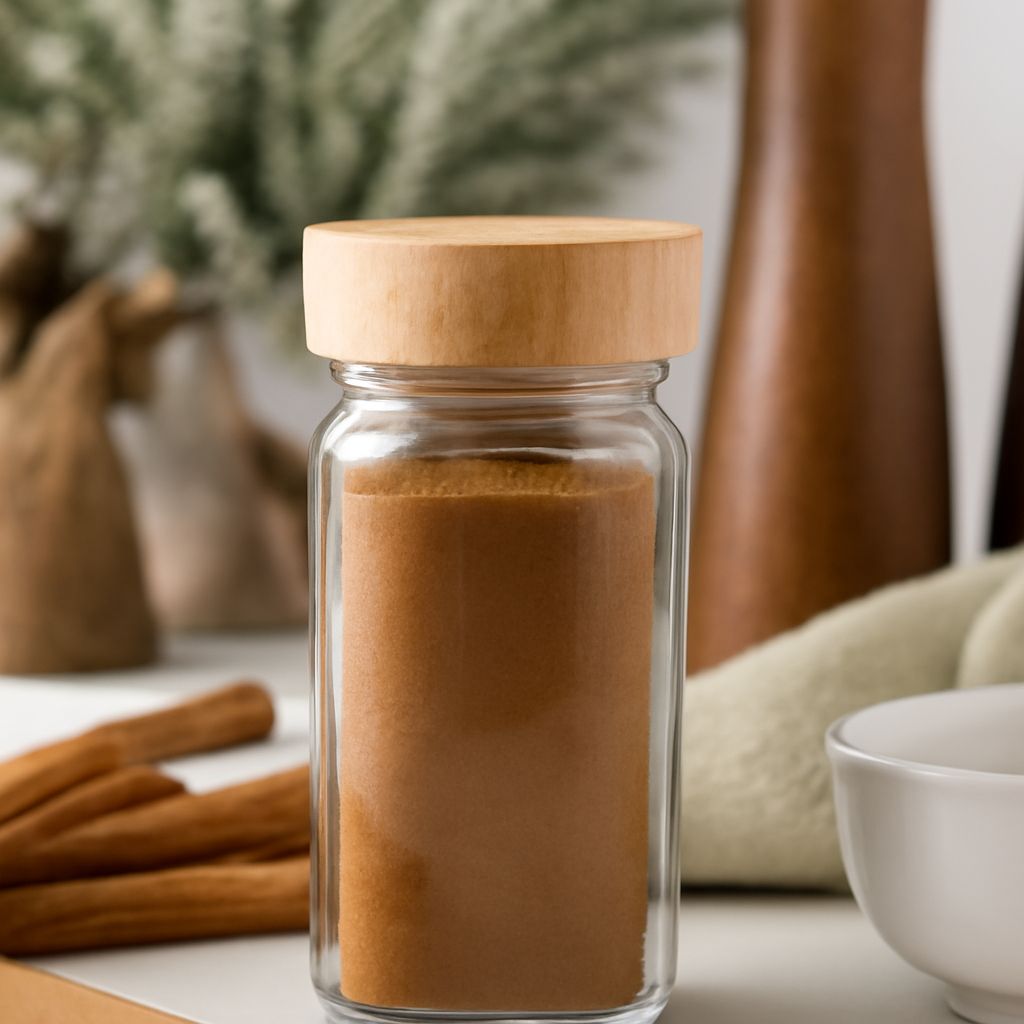
If you want to know how to make allspice at home, the short answer is that you blend the spices that most closely mimic its warm, clove-cinnamon-nutmeg flavor. True allspice comes from a single berry, but a practical homemade allspice mix gives you a reliable substitute for baking, rubs, and savory seasoning.
The easiest DIY allspice uses whole spices ground together in small batches so the flavor stays fresh. You can make it in minutes, and you only need a grinder or mortar and pestle.
What Allspice Is and What Homemade Allspice Means
Allspice is a spice with a flavor that tastes like a blend of cinnamon, cloves, and nutmeg. It is commonly used in pies, cookies, spice cakes, stews, and meat seasoning blends. When people search for homemade allspice, they usually want a substitute they can mix from pantry spices, not a process for producing the berry itself.
That means your goal is a balanced seasoning blend that gives you the same warm profile. You are not trying to recreate the exact botanical spice at home. You are making a useful stand-in that works in recipes where allspice adds depth, sweetness, and a little bite.
How to Make Allspice Step by Step
- Gather whole spices. Use whole cloves, cinnamon sticks or cassia, and whole nutmeg if you have them. These give the cleanest flavor in a diy allspice blend.
- Measure a small batch. Start with a modest amount so you can adjust the balance. A good test batch is 2 teaspoons cinnamon, 1 teaspoon cloves, and 1 teaspoon nutmeg.
- Grind the spices. Break cinnamon sticks into pieces if needed, then grind everything into a fine powder in a spice grinder or with a mortar and pestle.
- Mix and taste. Stir the ground spices together, then smell and taste a tiny pinch. The blend should be warm and rounded, not dominated by one note.
- Store it dry. Transfer the finished blend to an airtight jar. Keep it away from heat and light so the flavor stays strong.
If you are using pre-ground spices instead of whole spices, combine them in a bowl and whisk well. The result will be faster, though slightly less fragrant than grinding fresh.
Practical Ratios for a Homemade Allspice Blend
A simple ratio for homemade allspice is 2 parts cinnamon, 1 part cloves, and 1 part nutmeg. This is the most useful starting point because cinnamon adds body, cloves add the sharp allspice-like note, and nutmeg smooths the blend.
If you want a milder version for baking, reduce the cloves slightly:
- Gentler blend: 3 parts cinnamon, 1 part cloves, 1 part nutmeg
- More assertive blend: 2 parts cinnamon, 1 part cloves, 1 part nutmeg, plus a pinch of black pepper for savory dishes
- Quick pantry version: equal parts cinnamon and nutmeg with half as much cloves
Use these ratios as a guide, then adjust for the recipe. In sweet dishes, the blend should read warm and aromatic. In savory cooking, you may want a little more clove character, but not so much that it turns medicinal.
Common Variations and When to Use Them
You can tailor diy allspice depending on what you are cooking. If you are baking, keep the blend smooth and sweet. If you are seasoning meat or beans, you can build a slightly deeper, more peppery mix.
- For baking: Use cinnamon-forward ratios for cakes, cookies, muffins, and pumpkin-style desserts.
- For savory cooking: Add a tiny pinch of black pepper or ground coriander to support stews, marinades, and spice rubs.
- For a brighter profile: Add a small amount of ground ginger to lift the blend in quick breads or fruit desserts.
- For stronger warmth: Increase cloves slightly, but use restraint because cloves can take over fast.
If your recipe calls for whole allspice berries in a brine or slow-cooked dish, your substitute should still be ground very fine so it disperses evenly. For a dry rub, keep the texture powdery and uniform.
Mistakes to Avoid When Making DIY Allspice
The most common mistake is using too much clove. Clove is powerful, and too much can make the blend harsh instead of balanced. Start small, then increase only if the mix seems flat.
Another mistake is using stale spices. Old cinnamon or nutmeg will make the blend dull no matter how carefully you measure it. If a spice smells weak, replace it before you mix.
Also avoid making a large batch too soon. Small batches stay fresher and let you adjust the flavor. If the first version tastes too sharp, add more cinnamon. If it tastes too sweet, add a little more clove or nutmeg.
Finally, do not skip fine grinding. Uneven pieces can leave pockets of strong flavor and make your seasoning inconsistent. A smooth, even powder gives you the most reliable result in homemade allspice.