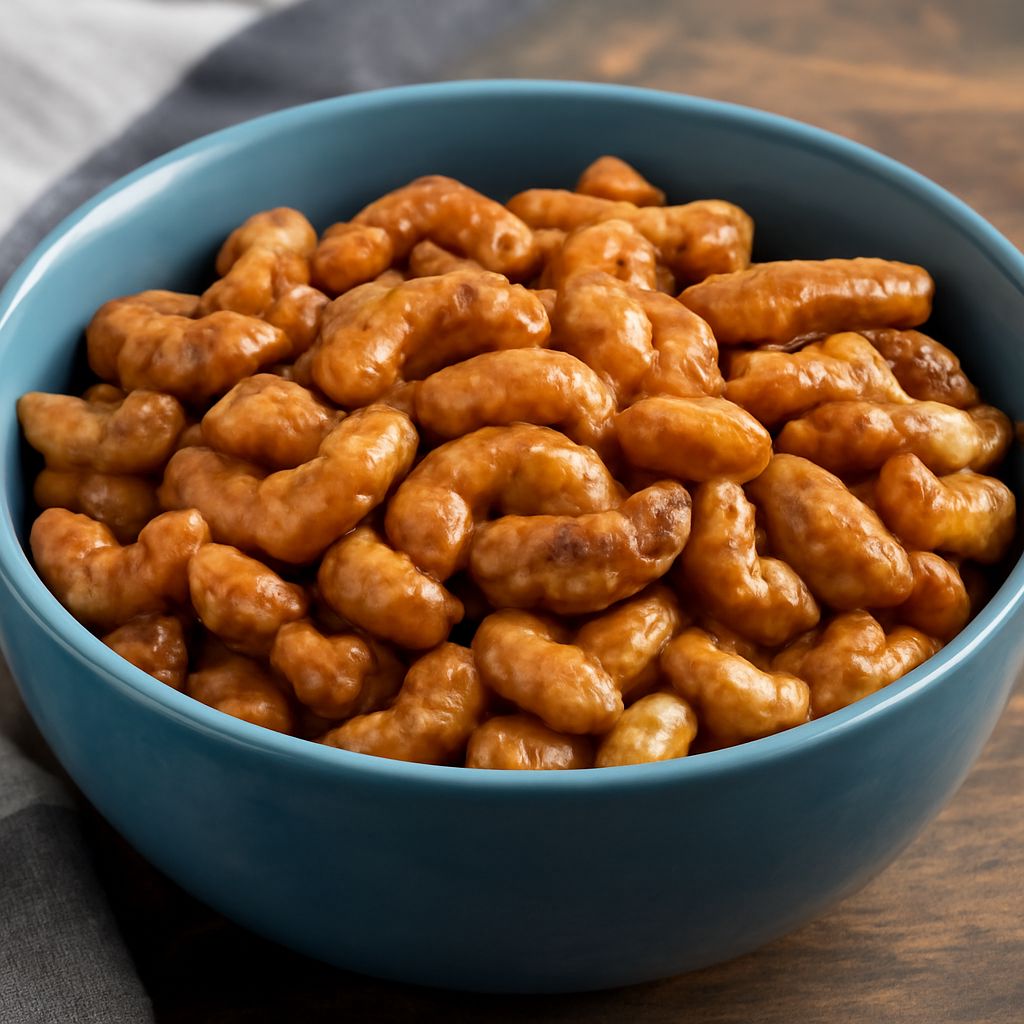
If you want crisp, fragrant nuts with the best flavor, the easiest answer for how to roast cashews is to use a 325°F oven for 8 to 12 minutes, or a dry skillet over medium heat for 5 to 7 minutes. Stir often, watch closely near the end, and pull them when they smell toasty and turn light golden.
You can use either raw or already unsalted cashews, but roasting raw cashews gives you the most control over color, salt, and seasoning. The method below works for plain snacking, salads, stir-fries, and homemade trail mix.
Roast Cashews Ingredients and Preparation
For 2 cups of cashews, use:
- 2 cups raw cashews
- 1 teaspoon neutral oil or melted butter, optional
- 1/2 teaspoon fine salt, optional
If you want to season them, add spices after roasting so they do not scorch. Good options include cinnamon and sugar, smoked paprika, cumin, chili powder, or rosemary.
Before you start, check the cashews for broken pieces or debris and spread them in a single layer if you are using the oven. If you are using oil, toss lightly so each nut gets a thin coating. Too much oil can make them greasy instead of crisp.
How to Roast Cashews in the Oven or Skillet
Oven method: Heat your oven to 325°F. Spread the cashews on an unlined baking sheet in one layer. Roast for 8 to 12 minutes, stirring or shaking the pan once halfway through.
Start checking at 8 minutes. Small or broken cashews can brown fast, while larger cashews may need the full 12 minutes. Move them to a cool plate right away so they stop cooking from residual heat.
Skillet method: Set a dry skillet over medium heat and add the cashews in a single layer. Stir or shake the pan every 20 to 30 seconds for 5 to 7 minutes.
The skillet gives you faster results, but it also leaves less room for error. If a nut sits still too long, it can scorch. Keep the nuts moving and lower the heat if you smell burning instead of toasty aroma.
If you are roasting cashews with oil and salt, toss them while they are still warm so the seasoning sticks. For sugar-based coatings, wait until the nuts are just out of the pan and add the sugar quickly so it clings before the cashews cool.
How to Tell When Cashews Are Done
Perfectly roasted cashews should be light golden, fragrant, and crisp after cooling. They may look only slightly darker than raw cashews, so use smell and timing as your main cues.
Pull them when you notice:
- A warm, nutty smell
- Light golden edges or spots
- A dry surface without visible moisture or oil pooling
Do not wait for dark brown color. Cashews can go from done to burnt very quickly, especially in the skillet. If they taste bitter or smell smoky, they have gone too far.
Let them cool for at least 10 minutes before judging texture. Cashews crisp as they cool, so they may seem slightly soft when hot and perfectly crunchy once they reach room temperature.
Serve, Store, or Vary Roasted Cashews
Use roasted cashews as a snack, salad topping, garnish for curry or grain bowls, or mix-in for granola and trail mix. They also work well chopped into pesto, stir-fries, and baked goods.
For simple salted cashews, toss warm nuts with fine salt to taste. For sweet cashews, add 1 to 2 teaspoons sugar plus a pinch of cinnamon after roasting. For savory cashews, try 1/4 teaspoon garlic powder, smoked paprika, or black pepper per 2 cups.
Store cooled roasted cashews in an airtight container at room temperature for up to 2 weeks. For longer storage, keep them in the refrigerator for about 1 month or freeze them for up to 3 months. If they lose crunch, rewarm them in a 300°F oven for 3 to 5 minutes.
If you want to roast raw cashews in larger batches, use a second sheet pan so the nuts stay in one layer. Crowding slows browning and can leave some cashews pale while others overcook. For the most even result, keep the layer thin and stir once during roasting.