Turkey giblets are the edible parts commonly removed from the bird and packed together before sale. A standard packet contains the neck, heart, liver, and gizzard, although the exact contents and location can vary. You may find the packet inside the main body cavity, in the neck cavity, or in both places.
Remove the packet before roasting. Then separate the pieces instead of treating them as one cooking cut: the neck is bony and meaty, the heart is firm muscle, the gizzard is dense and chewy, and the liver is soft and delicate. That difference determines whether you simmer, chop, sauté, or reserve each piece.
Turkey Giblets: What’s in the Packet?
Most giblet packets include four recognizable parts:
- Neck: A bone-in piece with meat, skin, and connective tissue. It contributes rich poultry flavor and body to stock and gravy.
- Heart: A small, dark, firm muscle. It has a pleasantly meaty flavor and works well simmered, chopped, or sautéed.
- Liver: A smooth, dark-red organ with a tender, rich texture. It cooks quickly and can become bitter or grainy if overcooked.
- Gizzard: A powerful muscular part of the digestive tract. Its dense texture needs slow cooking to become tender.
Some processors package the neck separately, and some packets may contain an extra piece or omit one of the four standard parts. Do not assume that every item found in the cavity is a giblet. The packet, the neck, and loose fat or trimming are different things, and they do not all need the same treatment.
What Are Turkey Giblets?
What are turkey giblets? They are selected edible organs and parts from inside or around the turkey that are removed during processing. In everyday language, people may call them turkey innards, but that broad term does not explain the important differences between a liver, a muscular gizzard, a heart, and a bony neck.
“Giblets” generally refers to the neck, heart, liver, and gizzard sold with the bird. They are not scraps. Each part has a traditional culinary use, particularly in stock, gravy, stuffing, and pâté or other separate preparations.
Before cooking, take the pieces out of their packaging and rinse or pat them dry as appropriate for your preparation. Inspect the packet for any wrapping material, and discard that material rather than cooking it with the turkey or stock.
How the Neck, Heart, Liver, and Gizzard Differ
The neck contains bone, collagen, and flavorful meat. Simmer it gently in water or broth for roughly 1½ to 3 hours, until the meat loosens and the liquid tastes full. You can strain the stock, pull the meat from the bones, and add the meat to gravy or stuffing.
The heart is lean, dense muscle, so it has a firm bite rather than a soft organ-meat texture. Simmer it with the neck, or cook it separately until tender. Once cooled, slice or mince it for gravy, stuffing, rice, or a small sauté.
The gizzard is also muscle, but it is tougher because it works continuously to grind food. It benefits from a long, gentle simmer or braise before you chop it. If you add it directly to stuffing or gravy without tenderizing it, the result can be chewy.
The liver is the exception. It is tender, rich, and quick-cooking, with a texture that changes rapidly from creamy to dry. It can flavor gravy or stuffing, but many cooks sauté it separately or add it only near the end of stock-making. Prolonged boiling can give the stock a bitter flavor and muddy appearance.
Using Giblets in Stock, Gravy, Stuffing, and Separate Dishes
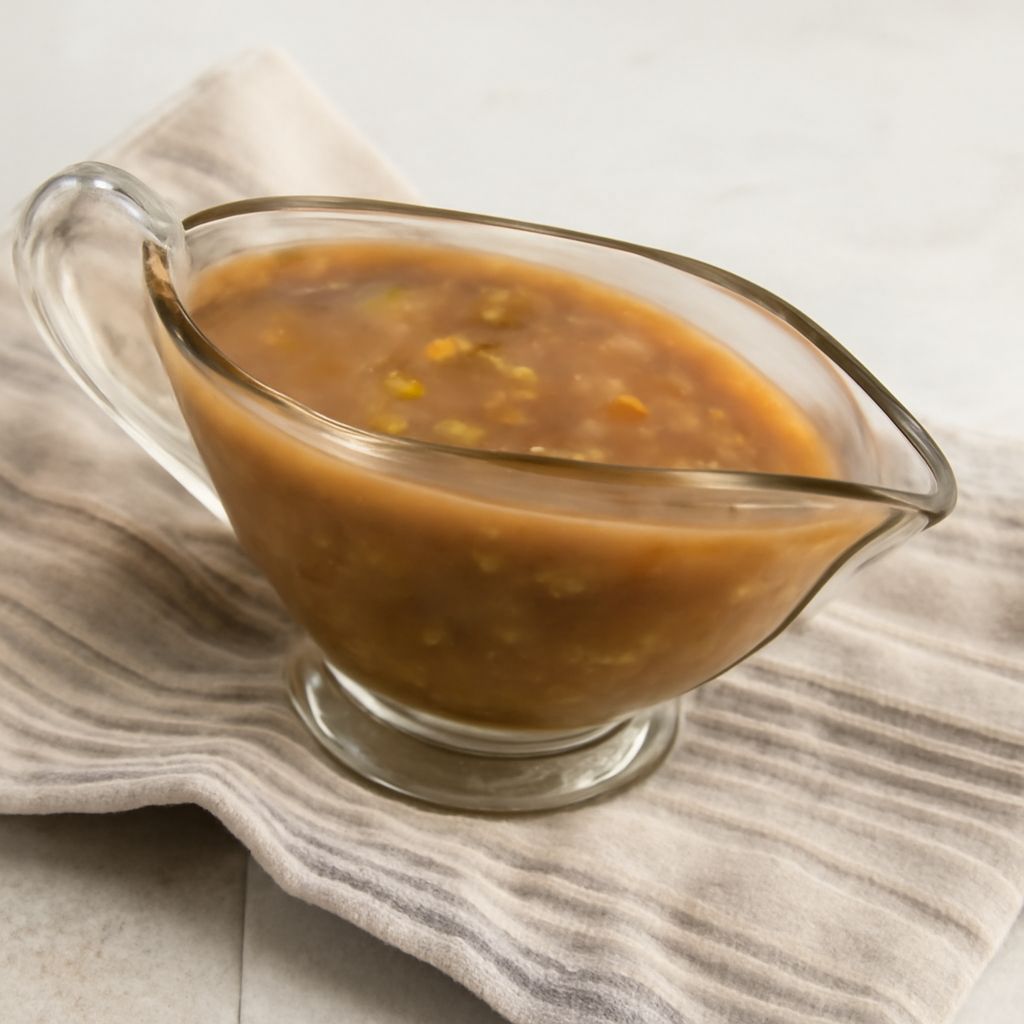
For a basic giblet stock, place the neck, heart, and gizzard in a saucepan with water, onion, celery, and herbs. Simmer until the neck meat is tender and the gizzard softens, then strain the liquid. Pull the neck meat from the bones and finely chop the heart and gizzard. Use the stock as the liquid for gravy, and stir in the chopped meat if you like a traditional textured gravy.
For stuffing, cook the heart and gizzard until tender, chop them finely, and mix them with the bread, vegetables, and herbs. Sauté the liver separately, then mince it and add a small amount for deeper flavor. Keeping the liver separate until it is cooked helps you control its flavor and prevents it from disappearing into a bitter, overcooked mixture.
You can also serve the pieces separately. Sauté sliced heart, braise the gizzard until tender, or pan-cook the liver briefly with onions. Use the neck primarily for stock, since its bones and connective tissue provide more value in a long simmer than in a quick skillet preparation.