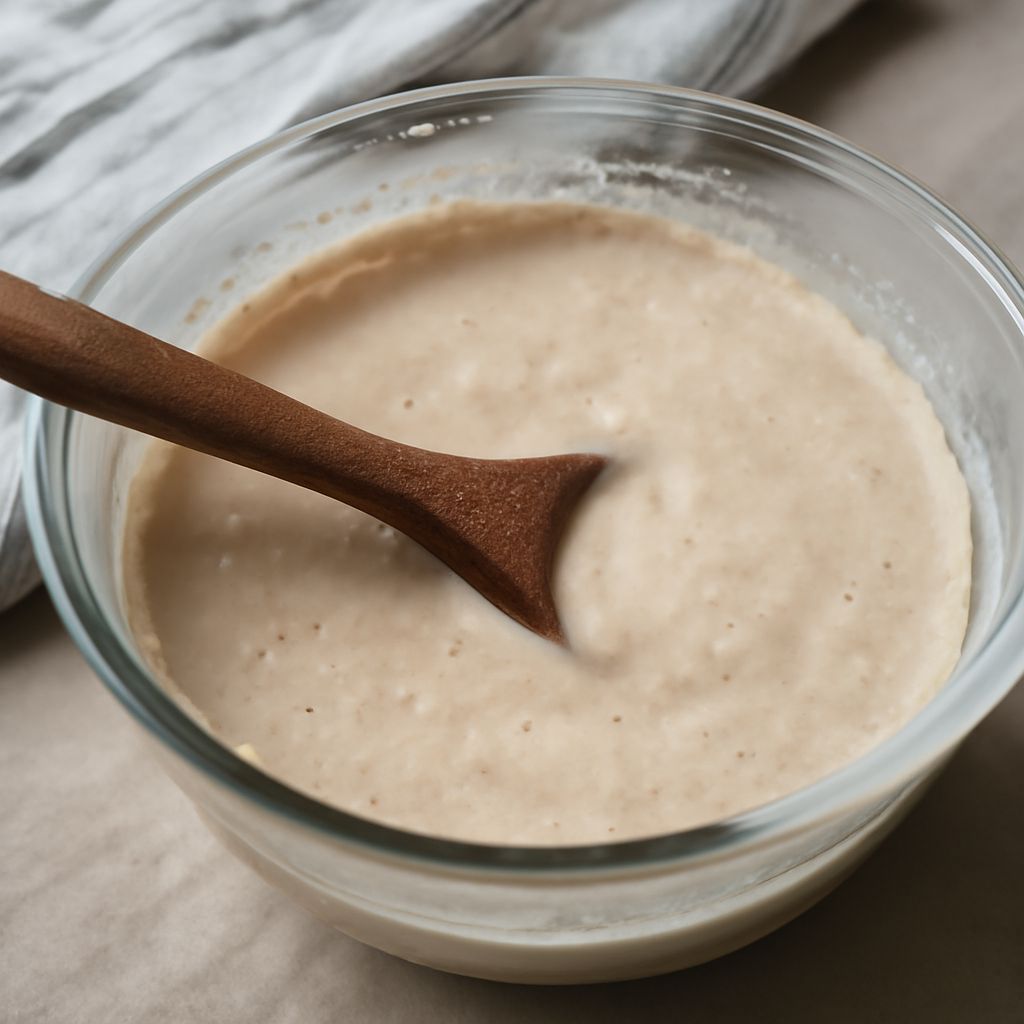
A sourdough starter is a living mixture of flour and water, teeming with wild yeast and bacteria that help leaven bread naturally. Properly feeding and maintaining your sourdough starter ensures its vitality and readiness for baking. This guide will walk you through essential techniques on how to feed, maintain, and care for your sourdough starter.
Understanding Your Sourdough Starter
Your sourdough starter is a blend of flour, water, wild yeast, and bacteria. When you first create a starter, it undergoes a fermentation process where these microorganisms develop and thrive. A healthy starter bubbles actively and has a tangy aroma, indicating that the yeast and bacteria are active.
How to Feed a Sourdough Starter
Feeding your sourdough starter is crucial to keep it alive and active. Here’s how to feed a sourdough starter:
- Measure Ingredients: Start by measuring equal parts of flour and water. Typically, you’ll use the same weight of flour and water as the weight of your starter. For instance, if you have 100 grams of starter, use 100 grams of flour and 100 grams of water.
- Mix Ingredients: Add the flour and water to your existing starter. Stir the mixture until it is smooth and all the flour is fully incorporated.
- Consistent Schedule: Feed your starter at regular intervals, usually every 12 to 24 hours, depending on the ambient temperature and how active you want your starter to be.
After feeding, allow the starter to rise at room temperature until it doubles in size. This typically takes around 4 to 6 hours, but may vary depending on the environment.
How to Maintain Your Sourdough Starter
Maintaining sourdough starter involves keeping it healthy and active between bakes. Here’s how to maintain your sourdough starter:
- Regular Feeding: Continue feeding the starter regularly. If you bake often, daily feeding might be necessary. If you bake less frequently, feeding every few days is sufficient.
- Temperature Control: Store your starter at room temperature for frequent use or in the refrigerator for longer-term storage. In the fridge, the starter will slow down its activity, allowing you to feed it less often, typically once a week.
- Consistency Check: Ensure your starter maintains a consistent texture. If it becomes too thin, add more flour during feedings. If it’s too thick, increase the water amount.
Troubleshooting Common Sourdough Starter Issues
Sometimes, your sourdough starter may not behave as expected. Here are common issues and solutions:
- Starter Not Rising: If your starter isn’t rising, it may need more frequent feedings or a warmer environment.
- Off Smells: A foul odor may indicate spoilage. Discard half of the starter and refresh with a healthy portion of flour and water.
- Liquid Separation: Known as hooch, liquid on top means the starter is hungry. Stir the liquid back in or pour it off and feed the starter with fresh flour and water.
Tips for Long-Term Sourdough Starter Care
For those looking to care for their sourdough starter over the long term, consider these tips:
- Backup Starter: Keep a small portion of dried starter as a backup in case your active starter fails.
- Routine Adjustments: Adjust feeding routines based on seasons and temperature changes. Warm months may increase feeding frequency.
- Travel Considerations: When traveling, dry a portion of starter for easy transport or give it to a friend to keep active.
By following these guidelines, you can ensure your sourdough starter remains a robust and reliable tool for baking delicious bread.