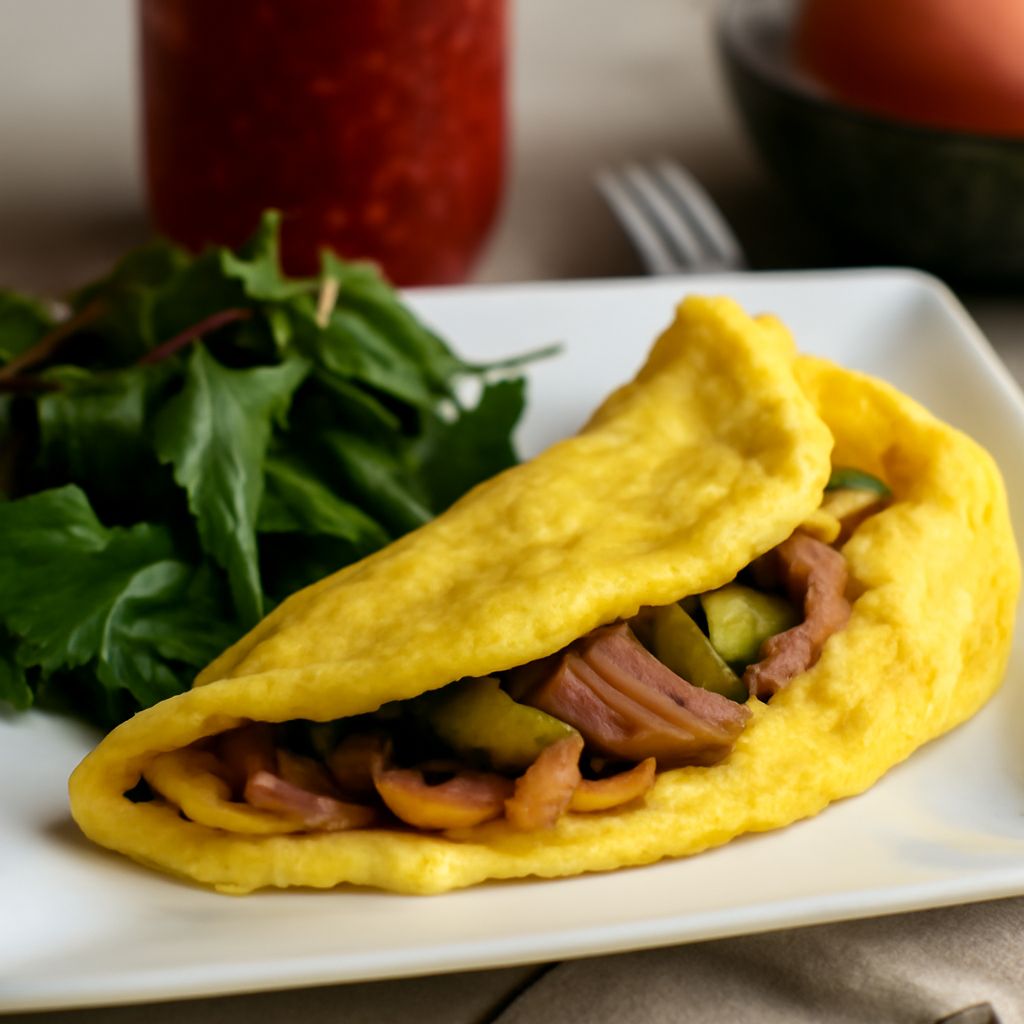
If you’ve ever wanted to master the art of making a fluffy omelette, you’ve come to the right place. A perfectly fluffy omelette can elevate your breakfast game and impress anyone at the table. With the right techniques, ingredients, and a little practice, you can whip up a fluffy omelette every time.
Understanding the Basics of Omelette Making
At its core, an omelette is a dish made from beaten eggs, cooked quickly, and folded over a variety of fillings. The key to a fluffy omelette lies in the preparation and cooking method. It’s all about incorporating air into the eggs and ensuring they cook evenly without drying out. Achieving the perfect texture requires attention to detail, from how you whisk the eggs to the type of pan you use.
Ingredients for a Fluffy Omelette
The quality of your ingredients plays a crucial role in making a fluffy omelette. Here’s what you’ll need:
- Eggs: Use fresh, large eggs for the best results. Two to three eggs per omelette is ideal.
- Milk or Cream: Adding a splash of milk or cream helps create a softer, tender omelette.
- Butter: Use unsalted butter to cook the eggs, which adds flavor and prevents sticking.
- Salt and Pepper: Season the eggs to taste before cooking.
- Optional Fillings: Consider cheese, herbs, vegetables, or meats for added flavor and texture.
Step-by-Step Guide to Cooking a Fluffy Omelette
Follow these steps to achieve a perfectly fluffy omelette:
- Beat the Eggs: Crack the eggs into a bowl and add a splash of milk or cream. Whisk vigorously until the mixture is well combined and slightly frothy. This introduces air, contributing to the fluffiness.
- Preheat the Pan: Use a non-stick skillet and preheat it over medium heat. Add a teaspoon of butter and let it melt, swirling to coat the pan evenly.
- Add the Eggs: Pour the egg mixture into the pan. Let it sit undisturbed for a few seconds until the edges start to set.
- Stir Gently: With a spatula, gently stir the eggs, pulling the cooked edges towards the center while tilting the pan to allow uncooked eggs to flow to the edges.
- Add Fillings: Once the eggs are mostly set but still slightly runny on top, add your desired fillings to one half of the omelette.
- Fold and Cook: Carefully fold the omelette in half using the spatula. Let it cook for another minute to ensure the inside is set.
- Serve Immediately: Slide the omelette onto a plate and serve while hot.
Common Mistakes and How to Avoid Them
Making a fluffy omelette can be tricky, but you can avoid these common pitfalls:
- Overbeating the Eggs: While you want air in the eggs, overbeating can break down the protein structure, making the omelette dense.
- High Heat: Cooking on high heat can cause the eggs to brown too quickly, resulting in a rubbery texture.
- Overfilling: Too many fillings can make it difficult to fold the omelette and cook evenly.
- Using the Wrong Pan: A non-stick skillet is essential. A sticky pan can ruin the omelette’s shape and texture.
Creative Omelette Variations
Once you’ve mastered the basic fluffy omelette, experiment with these variations:
- Herb Omelette: Add fresh herbs like parsley, chives, or dill to the egg mixture for an aromatic flavor.
- Cheese and Mushroom Omelette: Sauté mushrooms before adding them to the omelette with a generous handful of grated cheese.
- Spinach and Feta Omelette: Incorporate fresh spinach and crumbled feta for a Mediterranean twist.
- Western Omelette: Mix in diced ham, bell peppers, and onions for a hearty, savory option.
By following these steps and tips, you’ll be able to make a fluffy omelette that’s both delicious and versatile. Enjoy experimenting with different fillings and flavors to create your perfect breakfast dish.