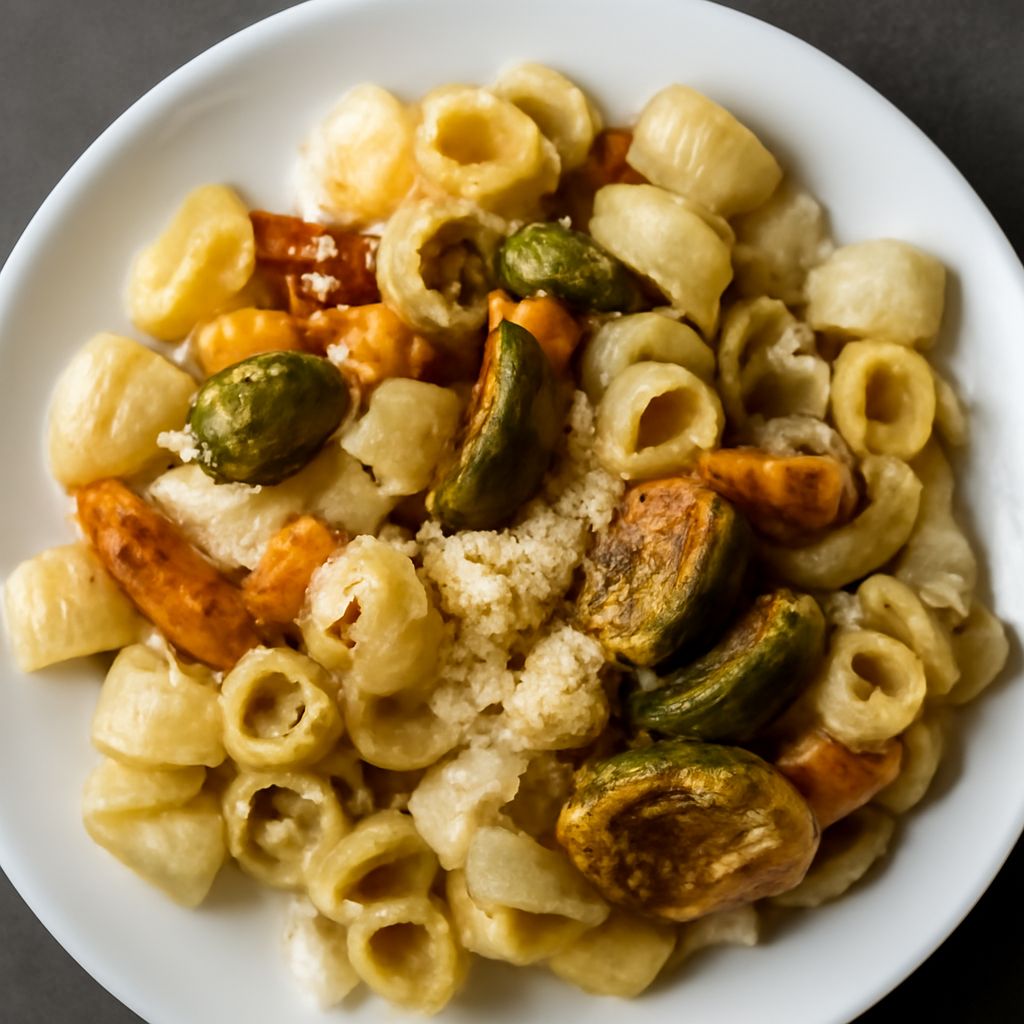
Cacio e pepe is a timeless Roman dish that captures the essence of simplicity and flavor. The name translates directly to “cheese and pepper,” highlighting its essential ingredients. This classic pasta dish is beloved for its creamy texture and bold taste, despite having only a few components. In this guide, you’ll learn how to make cacio e pepe from scratch, ensuring an authentic experience with each bite. Let’s dive into the process and discover the magic behind this Italian favorite.
What is Cacio e Pepe?
Cacio e pepe is a traditional Roman pasta dish known for its simplicity and robust flavor. At its core, the dish comprises only three key ingredients: Pecorino Romano cheese, freshly cracked black pepper, and pasta. The magic lies in the technique of combining these ingredients to create a creamy sauce without any cream. It is a staple in Roman cuisine and is celebrated for its rustic yet sophisticated taste.
Ingredients Needed for Cacio e Pepe
- 12 oz spaghetti or tonnarelli pasta
- 1 1/2 cups Pecorino Romano cheese, finely grated
- 2 teaspoons freshly cracked black pepper
- Salt, for pasta water
The choice of pasta can vary, but long noodles like spaghetti or tonnarelli are traditional. The Pecorino Romano cheese should be freshly grated to ensure it melts smoothly into the sauce. Freshly cracked black pepper is essential for delivering its distinct peppery kick. Remember to use salt in the pasta water to enhance the overall flavor of the dish.
Step-by-Step Guide to Making Cacio e Pepe
- Boil the Pasta: Bring a pot of salted water to a boil. Add the pasta and cook until al dente, as per the package instructions. Reserve about 1 1/2 cups of pasta water before draining.
- Toast the Pepper: In a large skillet over medium heat, toast the freshly cracked black pepper until fragrant. This should take about 1-2 minutes.
- Create the Sauce: Reduce the heat to low. Add a small amount of the reserved pasta water to the skillet and then gradually whisk in the grated Pecorino Romano cheese. Stir continuously until a smooth sauce forms. Add more pasta water if necessary to achieve your desired consistency.
- Combine: Add the cooked pasta to the skillet and toss it thoroughly to coat the noodles with the sauce. Ensure that each strand is enveloped in the cheesy, peppery mixture.
- Serve: Plate the cacio e pepe immediately, garnishing with additional cheese and a sprinkle of black pepper if desired.
By following these steps, you’ll achieve a dish that balances the sharpness of the Pecorino with the warmth of the black pepper, all held together by the starchy pasta water that creates a creamy emulsion.
Tips for Perfecting Your Cacio e Pepe
- Use High-Quality Ingredients: Since the dish relies on just a few components, the quality of the cheese and pepper is crucial. Opt for authentic Pecorino Romano and freshly cracked black pepper for the best results.
- Mind the Heat: When making the sauce, keep the heat low to prevent the cheese from clumping or becoming gritty. A gentle heat allows for a smooth, creamy consistency.
- Reserve Enough Pasta Water: The starchy pasta water is integral to creating the sauce. Ensure you reserve enough to adjust the consistency as needed.
- Work Quickly: To keep the sauce smooth and creamy, combine the ingredients swiftly while the pasta is still hot.
Pairing Suggestions for Cacio e Pepe
Cacio e pepe is versatile and pairs well with various side dishes and wines. Consider serving it with:
- Roasted Vegetables: Lightly roasted asparagus or Brussels sprouts can complement the richness of the pasta.
- Simple Salad: A fresh arugula salad with lemon vinaigrette offers a refreshing contrast.
- White Wine: A crisp white wine like Pinot Grigio or Sauvignon Blanc pairs well with the dish’s creamy texture.
By following this guide, you’ll master the art of making an authentic cacio e pepe, bringing a taste of Rome into your kitchen. Enjoy the simplicity and savor every bite of this classic pasta dish.