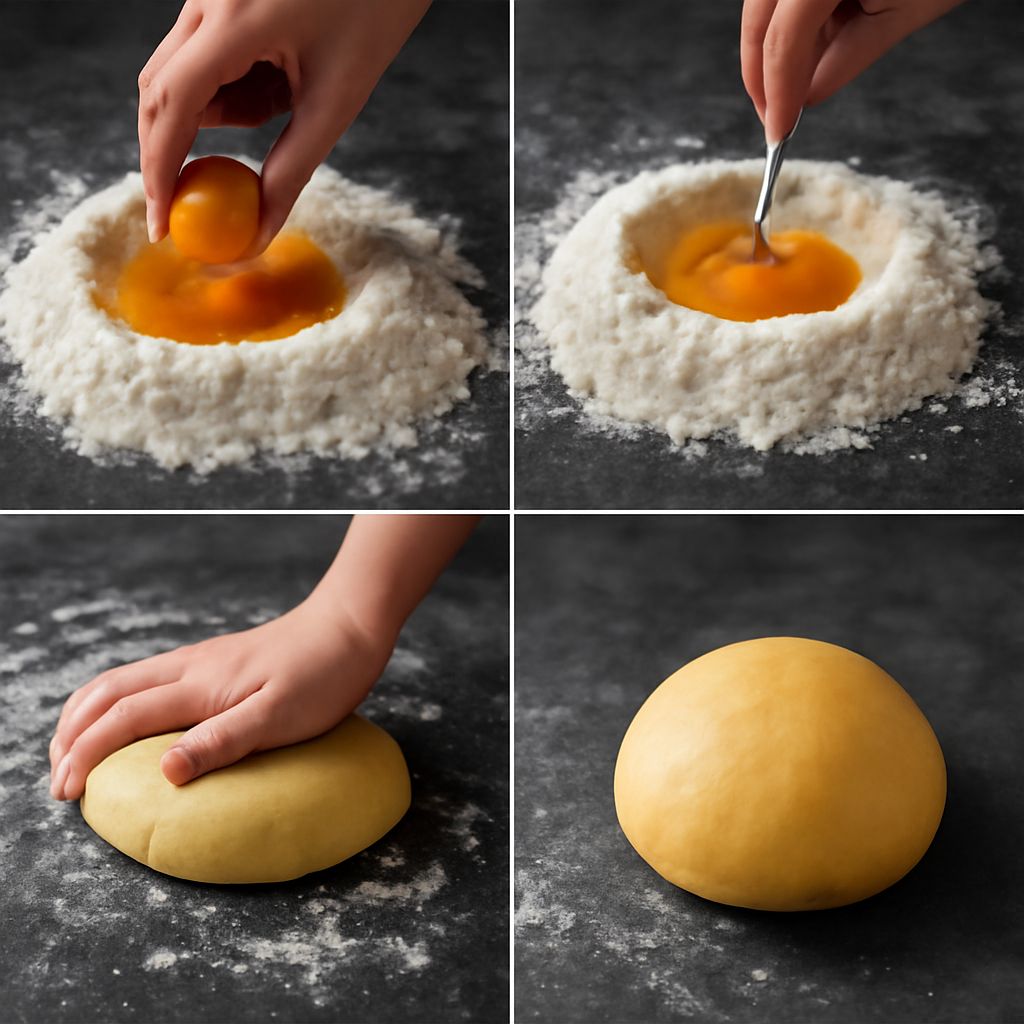
There’s nothing quite like the taste and texture of fresh, homemade pasta. Making pasta from scratch is a rewarding culinary experience that allows you to appreciate the simplicity and versatility of this beloved dish. Whether you’re a seasoned cook or a beginner looking to expand your skills, learning how to make pasta at home is both enjoyable and satisfying. This guide will walk you through a homemade pasta recipe, including a simple pasta dough recipe, so you can enjoy fresh pasta anytime.
Why Make Homemade Pasta?
Homemade pasta offers a superior taste and texture compared to store-bought varieties. It allows you to control the ingredients, ensuring that your pasta is fresh and free from preservatives. Making pasta at home also provides the opportunity to experiment with different flavors and shapes, tailoring each dish to your personal preference. Plus, the sense of accomplishment that comes from creating something from scratch is truly rewarding.
Essential Ingredients for Pasta Dough
To make homemade pasta, you’ll need just a few basic ingredients:
- Flour: All-purpose flour works well, but for a more authentic pasta, consider using 00 flour, which is finely milled and creates a silky texture.
- Eggs: Fresh, large eggs are essential for binding the dough and adding richness.
- Salt: A pinch of salt enhances the flavor of the pasta.
- Olive Oil (optional): A bit of olive oil can add smoothness to the dough.
These simple ingredients are all you need to create a delicious pasta dough that serves as the foundation for a variety of pasta dishes.
Step-by-Step Guide to Making Pasta Dough
- Prepare the workspace: Clean your countertop or use a large mixing bowl to create a mound of flour, forming a well in the center.
- Add the eggs: Crack the eggs into the well and add a pinch of salt. If using olive oil, add it here.
- Mix the dough: Using a fork, gently whisk the eggs, gradually incorporating the flour from the edges of the well until a sticky dough forms.
- Knead the dough: Flour your hands and start kneading the dough, adding more flour as needed. Continue kneading for about 8-10 minutes, or until the dough is smooth and elastic.
- Rest the dough: Wrap the dough in plastic wrap and let it rest at room temperature for at least 30 minutes. This allows the gluten to relax, making it easier to roll out.
Following these steps will yield a pliable and smooth pasta dough, ready to be shaped and cut into your desired pasta form.
Shaping and Cutting Your Pasta
Once your dough has rested, it’s time to shape and cut it:
- Divide the dough: Cut the dough into four equal parts to make it easier to work with.
- Roll out the dough: Using a pasta machine or rolling pin, roll each piece of dough into a thin sheet. Aim for a thickness of about 1/16 inch.
- Cut the pasta: Depending on your desired shape, use a knife or pasta cutter to slice the sheets. For tagliatelle, slice into 1/4-inch strips. For fettuccine, aim for 1/8-inch strips.
- Dry the pasta: Lay the cut pasta on a floured surface or drying rack, ensuring it doesn’t stick together.
Shaping and cutting pasta allows you to explore various pasta styles, from broad lasagna sheets to thin spaghetti strands, ensuring a perfect match for your sauce of choice.
Cooking and Serving Homemade Pasta
Cooking fresh pasta is quick and straightforward:
- Boil water: Bring a large pot of salted water to a rolling boil.
- Cook the pasta: Add the pasta to the boiling water. Fresh pasta cooks faster than dried; it typically takes 2-4 minutes.
- Test for doneness: Taste a strand to ensure it’s cooked to your preference, usually al dente.
- Drain and serve: Drain the pasta and toss it with your favorite sauce. Serve immediately for best texture and flavor.
With this homemade pasta recipe, you can enjoy pasta dishes with unparalleled freshness and flavor. Experiment with different sauces and toppings to create your perfect meal every time.