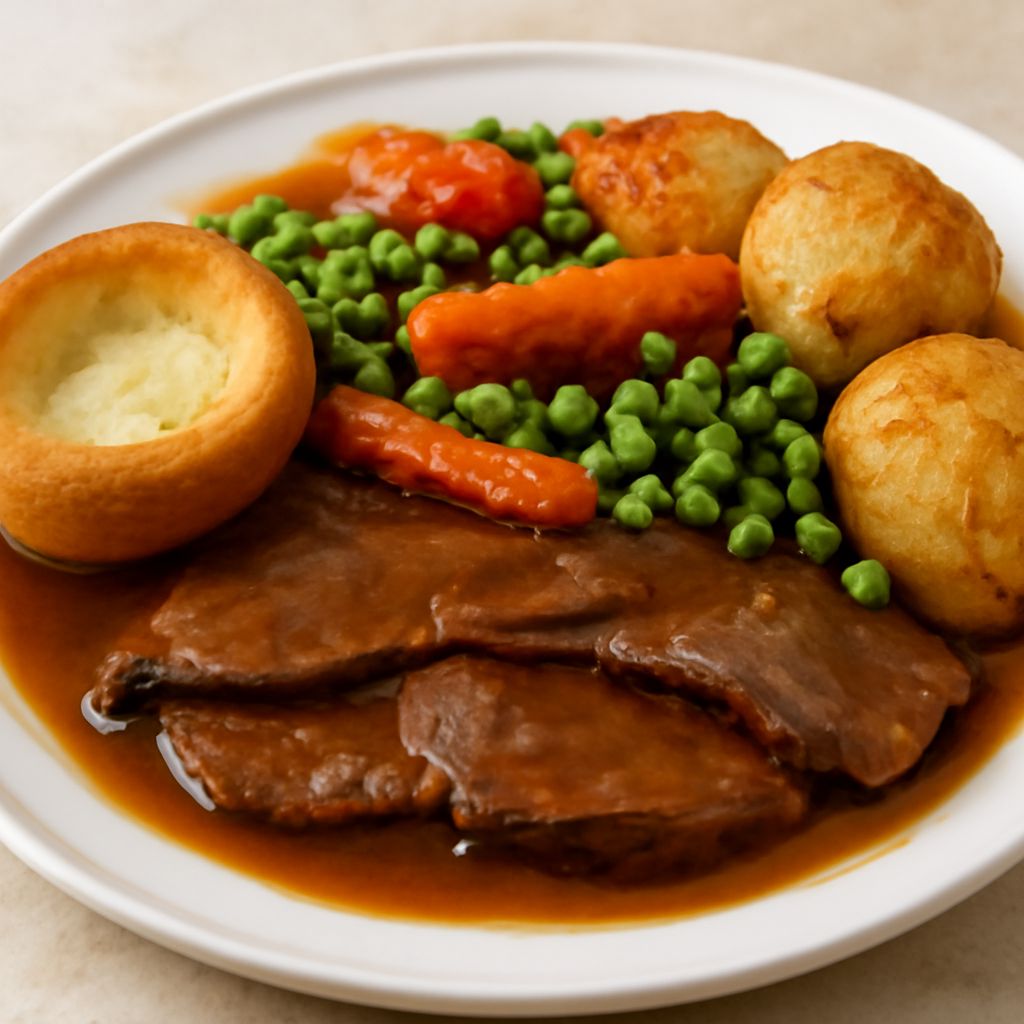
When you think of traditional English food, hearty, comforting dishes often come to mind. British cuisine has a rich history that blends flavors from various regions of the UK. From iconic dishes to modern culinary twists, exploring English food offers a delightful journey through time and taste.
The Essence of Traditional English Food
The essence of traditional English food lies in its simplicity and use of local ingredients. Staples like meat, potatoes, and vegetables are often featured in classic recipes. These dishes are designed to be filling and satisfying, reflecting the agricultural roots of the region.
Some key elements define this cuisine, including the use of seasonal produce and minimal seasoning, allowing the natural flavors to shine. Ingredients such as beef, lamb, pork, and game are common, often accompanied by potatoes, carrots, and peas. Think of dishes like a classic roast dinner or a full English breakfast that highlight these elements.
Iconic Dishes That Define UK Food
Several dishes stand out as quintessential representations of UK food. Here are some you should definitely try:
- Fish and Chips: A classic British favorite, featuring battered and fried fish served with chunky chips. It’s best enjoyed with a sprinkle of salt and vinegar.
- Shepherd’s Pie: A comforting meat pie with minced lamb and vegetables, topped with creamy mashed potatoes and baked until golden.
- Yorkshire Pudding: Traditionally served with roast beef, this savory pudding is made from a simple batter of eggs, flour, and milk.
- Afternoon Tea: An elegant affair involving finger sandwiches, scones with clotted cream and jam, and a selection of cakes and pastries.
- Bangers and Mash: Sausages served with mashed potatoes and gravy, offering a taste of comfort food at its best.
The Historical Roots of British Cuisine
The history of British cuisine is as diverse as its modern-day dishes. It has been influenced by various cultures through invasions, trade, and colonization. The Romans, Normans, and Vikings all left their mark, introducing new spices, cooking techniques, and ingredients.
During the Victorian era, British food underwent significant changes with the introduction of new ingredients from the colonies, such as tea, sugar, and spices. This period also saw the rise of elaborate dining and the development of many recipes that have become staples today.
Modern Takes on Traditional British Food
In recent years, there has been a resurgence in modern British cuisine, blending traditional recipes with contemporary techniques and flavors. Chefs are reimagining classic dishes, adding a fresh twist while honoring their origins.
For instance, you might find a deconstructed trifle at a high-end restaurant, or fish and chips made with sustainably sourced seafood and innovative seasonings. Vegan and vegetarian versions of classics like shepherd’s pie are also gaining popularity, reflecting a broader trend towards healthier and more sustainable eating.
Where to Experience Authentic English Food
If you’re keen to experience authentic English food, numerous places across the UK offer both traditional and modern dishes. Here are some suggestions:
- Local Pubs: Many pubs serve hearty, traditional meals like steak and ale pie or Sunday roast, providing a warm and welcoming atmosphere.
- Food Markets: Explore London’s Borough Market or Manchester’s Altrincham Market for a vibrant mix of traditional and modern British fare.
- High-End Restaurants: Establishments like The Ledbury in London offer innovative takes on British cuisine, blending traditional flavors with modern techniques.
- Tea Rooms: Enjoy a quintessential afternoon tea experience at places like Bettys in York or Fortnum & Mason in London, where the tradition is kept alive.
Exploring British cuisine is a delightful journey through history, tradition, and innovation. Whether indulging in a classic dish or trying a modern reinterpretation, the essence of English food offers something for everyone to enjoy.