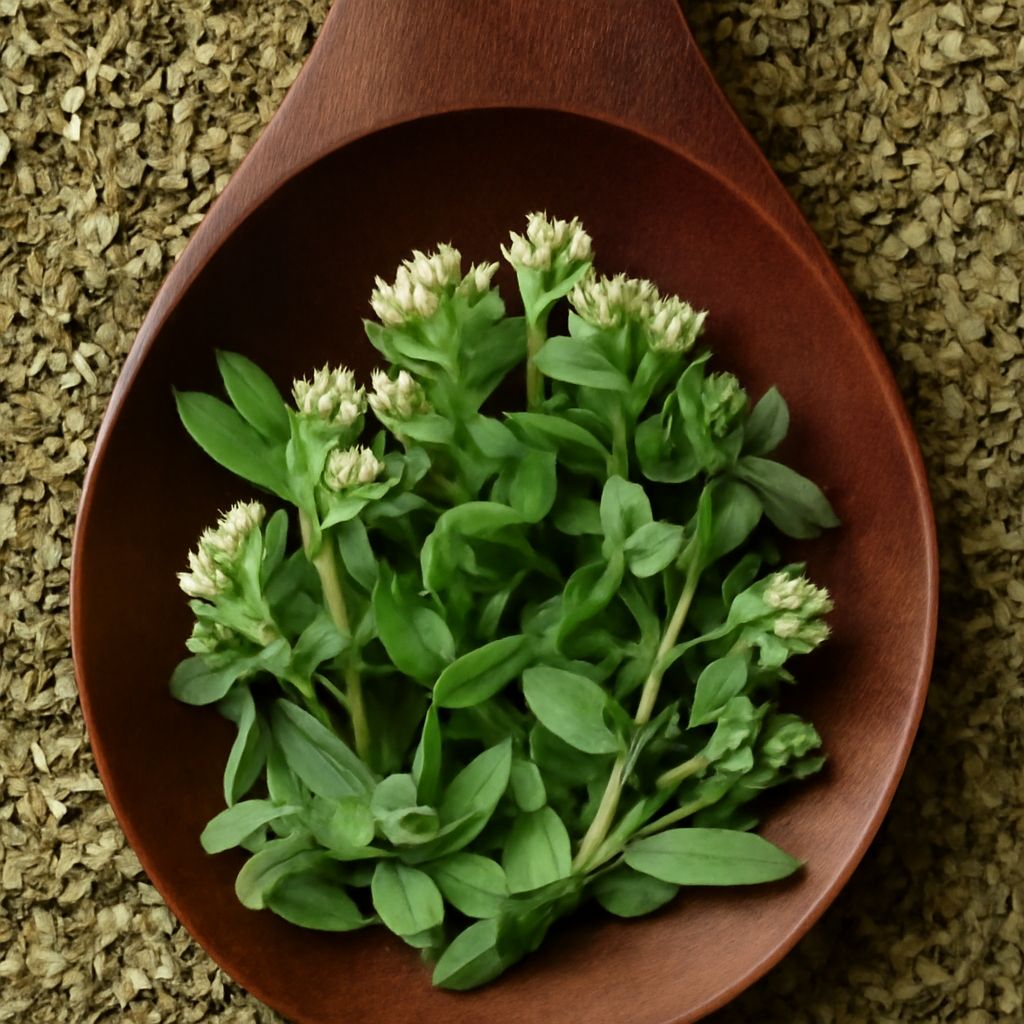
If you find yourself in the middle of cooking and realize you’re out of marjoram, don’t worry. This aromatic herb, a staple in many Mediterranean dishes, can be replaced with several great alternatives. Whether you’re looking to replicate the exact flavor or are open to trying something new, this guide will help you find a suitable substitute for marjoram.
Why You Might Need a Marjoram Substitute
Marjoram is known for its sweet, citrusy, and slightly floral flavor. It’s often used in soups, stews, sauces, and meat dishes. You might need a substitute if you’re out of marjoram, have an allergy, or simply wish to experiment with different flavors. Whatever the reason, knowing your alternatives can keep your dish on track.
Top Marjoram Replacements to Consider
- Oregano: Often confused with marjoram, oregano is a more robust alternative that works well in Italian and Greek dishes.
- Thyme: With its earthy and slightly minty flavor, thyme is a versatile substitute that complements marjoram’s profile.
- Basil: Offering a sweet and peppery taste, basil is perfect for dishes where a lighter, more refreshing flavor is desired.
- Sage: Known for its strong, earthy flavor, sage adds depth and complexity, making it a good choice for hearty dishes.
- Herbes de Provence: A blend of herbs including marjoram, this mix is perfect for a Mediterranean flair.
- Tarragon: With a slight anise flavor, tarragon offers a unique twist to recipes that call for marjoram.
How to Use Each Substitute Effectively
Oregano
Use oregano at a 1:1 ratio when replacing marjoram. Its robust flavor makes it ideal for tomato-based sauces, pizzas, and grilled meats.
Thyme
Substitute thyme at a 1:1 ratio. It works beautifully in stews, roasted vegetables, and chicken dishes. Thyme’s subtle mint notes enhance dishes without overpowering them.
Basil
Basil can replace marjoram at a 1:1 ratio. It’s ideal in pasta sauces, salads, and pesto, offering a fresh, peppery flavor.
Sage
Use sage sparingly, starting with half the amount of marjoram required. Its strong flavor is excellent in stuffing, sausages, and robust stews.
Herbes de Provence
Replace marjoram with Herbes de Provence at a 1:1 ratio. This blend adds a complex, aromatic flavor, perfect for roasted meats and vegetables.
Tarragon
Use tarragon at a 1:1 ratio for a unique twist. It pairs well with chicken, fish, and egg dishes, providing a slight licorice note.
Flavor Profiles and Pairing Suggestions
- Oregano: Bold and peppery, pairs well with garlic, tomatoes, and olive oil.
- Thyme: Earthy and minty, complements lemon, butter, and poultry.
- Basil: Sweet and aromatic, works with mozzarella, balsamic vinegar, and tomatoes.
- Sage: Earthy and slightly bitter, enhances pork, apples, and brown butter.
- Herbes de Provence: Aromatic blend, great with lamb, fish, and grilled vegetables.
- Tarragon: Sweet and anise-like, pairs with Dijon mustard, chicken, and asparagus.
Tips for Choosing the Best Substitute
- Consider the Dish: Match the substitute to the dish’s cuisine. Oregano is great for Mediterranean, while sage suits hearty, savory dishes.
- Flavor Intensity: Choose a herb with a similar intensity; thyme is milder, while oregano is more robust.
- Experiment: Don’t hesitate to mix herbs for a more complex flavor profile.
- Fresh vs. Dried: If using fresh herbs, remember they are less concentrated than dried ones. Adjust the quantity accordingly.
Finding a substitute for marjoram is straightforward with these options. Whether you’re aiming for a close match or a new flavor twist, these herbs will ensure your dish remains delicious and satisfying.