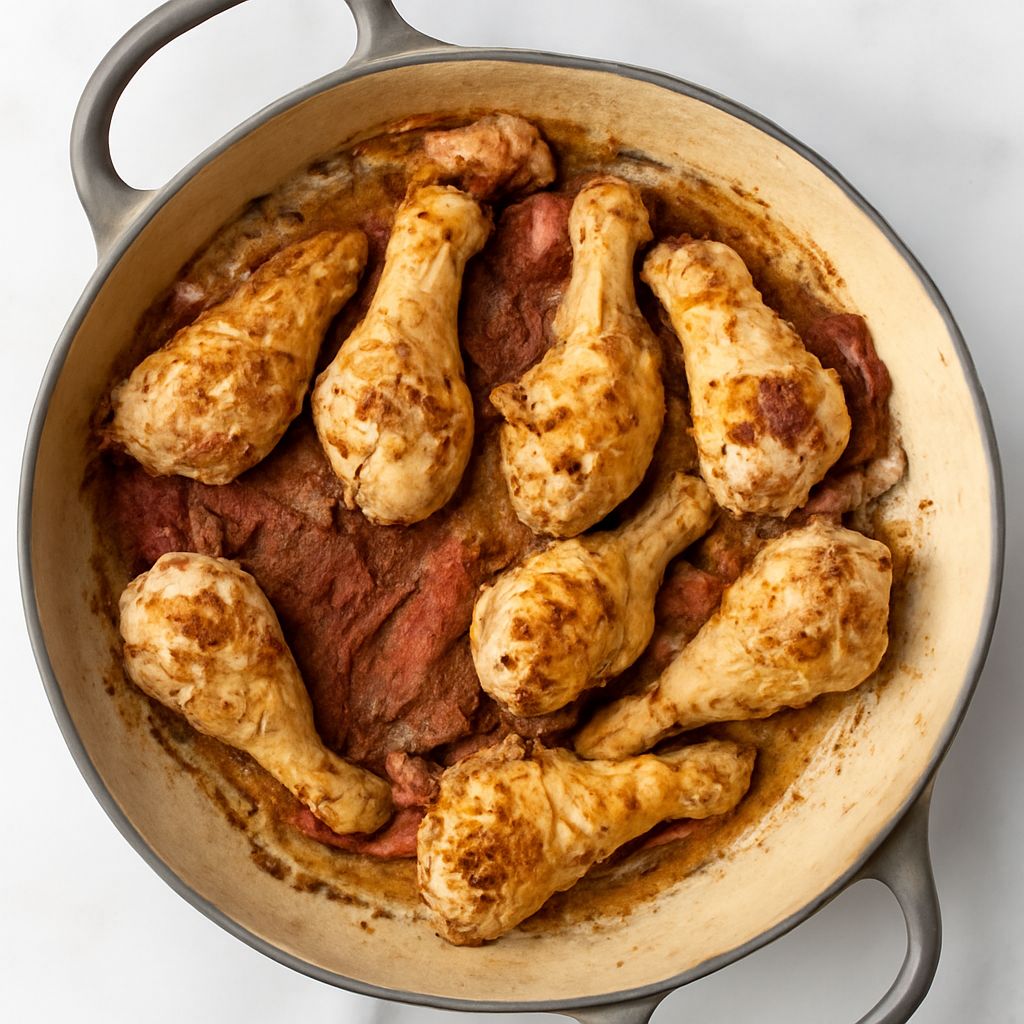
Coco van is a phrase you might encounter when searching for the famous French dish coq au vin—a savory, slow-cooked celebration of chicken, wine, and aromatic vegetables. This iconic meal, rich with deep flavors and culinary heritage, is both approachable and rewarding for any home cook. Whether you’re curious about what coq au vin is, inspired by Julia Child’s legendary version, or searching for a step-by-step recipe, you’ll find all the details here to master this beloved dish and understand the story behind its enduring appeal.
What Is Coq au Vin?
Coq au vin translates from French as “rooster in wine.” Traditionally, it is a rustic braise that combines chicken (originally rooster), red wine, mushrooms, bacon, onions, garlic, and herbs. The magic of coq au vin comes from its slow simmer; the wine and aromatics permeate the chicken, tenderizing the meat and creating a luxurious sauce. What sets it apart from other chicken stews is the balance of richness from bacon, earthiness from mushrooms, and bright acidity from the wine.
At its heart, coq au vin is a peasant dish—an example of French regional cooking that transforms humble ingredients into something deeply flavorful. The long braise was initially used to soften the tough meat of a mature rooster, but in modern recipes, you’ll typically use chicken thighs and legs for their flavor and texture. The dish is usually served with crusty bread, mashed potatoes, or noodles to soak up its robust sauce.
As you explore what coq au vin is, you’ll find that its specifics can vary across France. Some versions use white wine instead of red (this variant is called coq au vin blanc), while others might add different herbs or swap bacon for salt pork. Regardless of the variant, the dish remains an ambassador of slow-cooked French comfort food.
Today, coq au vin is as much a staple of French restaurants as it is of home kitchens. Its reputation comes not only from its flavor but also from its role in showcasing the French tradition of elevating simple, seasonal ingredients through technique and patience.
The Origin and Meaning of Coco Van
The phrase “coco van” is a phonetic or Anglicized spelling of coq au vin. You might see this informal term online, especially in English-speaking circles, where the French pronunciation can sound like “coco van” to the untrained ear. While not the proper spelling, it refers to the same celebrated French dish. The original French, coq au vin, directly references the main components—“coq” meaning rooster and “vin” meaning wine.
The roots of coq au vin run deep in French country cooking. Legend holds that Julius Caesar was served a version of the dish after conquering Gaul, but the more likely story is that it evolved over centuries in rural households. Traditionally, raising chickens and roosters provided both eggs and meat, but older roosters were tough and required long, slow cooking. Wine was a natural braising liquid in wine-producing regions and also helped tenderize the meat while adding character to the sauce.
The “coco van” spelling is sometimes confused with “coco vaughn,” which appears occasionally in informal English sources or as a misheard term. These spellings do not refer to a different recipe or variation but are simply playful or mistaken attempts to capture the sound of the French name. If you see recipes for coco van or coco vaughn, you can be confident they are talking about classic coq au vin.
Understanding these alternate names can help you navigate recipes and restaurant menus, ensuring you don’t miss out on this classic dish due to a spelling quirk. The enduring appeal of coq au vin, under any name, lies in its ability to deliver complex flavors from everyday ingredients—a hallmark of great French cuisine.
Julia Child and the Rise of Coq au Vin in America
No discussion of coq au vin in the United States is complete without mentioning Julia Child. Her 1961 cookbook, Mastering the Art of French Cooking, and her groundbreaking television show, The French Chef, introduced Americans to the delights of French home cooking. Julia Child’s coq au vin recipe remains a gold standard, celebrated for its clarity, accessibility, and authentic flavor.
Julia Child coq au vin recipes use bone-in chicken, Burgundy wine or any good-quality dry red, and classic aromatics like garlic, onions, carrots, and mushrooms. She emphasized the importance of layering flavors and not rushing the process. In her hands, what was once an intimidating French dish became something any home cook could tackle with confidence.
Her television episodes demonstrated each step in detail, from browning the chicken and sautéing the bacon to flambéing with cognac and finishing with a glossy, reduced sauce. She demystified French techniques, encouraging viewers to try—and enjoy—making dishes like coq au vin at home. Julia’s warmth and humor inspired generations of cooks and made coq au vin a staple of American dinner parties and family meals.
If you follow Julia Child’s method, you’ll discover the value of patience and quality ingredients. She insisted that you don’t need a fancy rooster or expensive wine; what matters is the care you bring to each step. This philosophy endures in modern recipes and is key to achieving the rich, layered flavor that defines classic coq au vin.
Classic Coq au Vin Recipe
Making coq au vin at home doesn’t require professional skills, but it does reward attention to detail and a bit of time. Below is a step-by-step method for a traditional coq au vin, inspired by Julia Child and classic French technique. This recipe serves 4 to 6 people.
- Chicken: 3 to 4 pounds bone-in, skin-on chicken pieces (preferably thighs and legs)
- Red wine: 1 bottle (750 mL) dry red wine, such as Burgundy, Pinot Noir, or Côtes du Rhône
- Bacon or salt pork: 6 ounces, cut into lardons
- Chicken stock: 1 cup
- Onions: 20 small pearl onions (fresh or frozen, peeled)
- Mushrooms: 8 ounces cremini or button mushrooms, quartered
- Carrots: 2, peeled and sliced into rounds
- Garlic: 4 cloves, minced
- Tomato paste: 2 tablespoons
- Flour: 2 tablespoons
- Bay leaf: 1
- Thyme: 3 sprigs fresh or 1 teaspoon dried
- Parsley: For garnish
- Salt and pepper: To taste
- Olive oil or butter: As needed for sautéing
- Cognac or brandy: 2 tablespoons (optional for flambéing)
- Marinate the chicken: Combine chicken pieces with wine, sliced carrots, half of the chopped onions, thyme, bay leaf, and garlic in a large bowl or zip-top bag. Cover and marinate in the refrigerator for at least 8 hours, ideally overnight. This step deepens the flavor and gives the chicken its signature wine-infused color.
- Brown the bacon and chicken: Remove chicken from marinade and pat dry (reserve marinade). In a large Dutch oven or heavy pot, cook bacon lardons over medium heat until browned and crisp. Remove with a slotted spoon and set aside. Increase heat to medium-high, add chicken to the bacon fat, and sear until golden on all sides. Work in batches to avoid crowding the pot. Set chicken aside with the bacon.
- Sauté the vegetables: Add mushrooms and pearl onions to the pot and brown for 5-7 minutes, adding a bit of olive oil or butter if needed. Remove and reserve with chicken and bacon.
- Add aromatics and flour: Add tomato paste and flour to the pot, stirring to coat. Cook for 2 minutes until the flour loses its raw smell. This step builds the base for the sauce’s texture and depth.
- Deglaze and simmer: Return chicken, bacon, mushrooms, onions, and carrots to the pot. Pour in the reserved marinade and chicken stock, scraping up any browned bits from the bottom. Bring to a simmer. Add thyme and bay leaf. If using, splash in cognac and briefly ignite with a long lighter to flambé and burn off the alcohol (optional, but adds dimension).
- Braise: Cover and simmer gently on low heat for 45 minutes to 1 hour, until chicken is tender and the sauce is rich and glossy. Turn chicken occasionally to ensure even cooking.
- Finish and serve: Discard bay leaf and thyme sprigs. Taste and adjust salt and pepper. If the sauce is too thin, remove chicken and reduce sauce over medium-high heat to your preferred consistency, then return chicken to rewarm. Sprinkle with chopped parsley before serving.
The finished dish should have tender, succulent chicken cloaked in a robust, wine-dark sauce. Serve with crusty bread, buttered noodles, or mashed potatoes to soak up every drop.
Tips for Making Authentic Coq au Vin at Home
To capture the spirit and flavor of classic coq au vin, pay attention to the details that define this dish. Start with quality chicken—bone-in, skin-on pieces yield the best results. While original recipes called for rooster, modern chickens are tender enough, but thighs and drumsticks mimic the traditional texture and stand up to long braising. Opt for a dry, medium-bodied red wine; Burgundy is classic, but any wine you enjoy drinking will work as long as it’s not sweet or overly tannic.
Don’t skip the marinade step. Allowing the chicken to soak overnight in wine and aromatics sets the foundation for a deeply flavored finished dish. Marinating in a zip-top bag or covered bowl ensures every piece is evenly soaked. Traditional recipes often call for flambéing the chicken with cognac after searing. While optional, this technique adds a subtle depth you’ll notice in the final dish.
Balance is key in coq au vin. The bacon or salt pork brings smokiness and salt, while mushrooms give earthiness. If you can’t find pearl onions, use small shallots or quartered yellow onions. Sautéing the vegetables individually before braising keeps their flavors distinct. If you’re pressed for time, you can skip marinating, but the sauce won’t have quite the same depth.
When it comes to serving, coq au vin is even better the next day. The flavors continue to develop as the dish sits, so consider making it ahead for dinner parties. Store leftovers in an airtight container in the refrigerator for up to three days. Reheat gently on the stove, adding a splash of chicken stock or water if the sauce has thickened too much. Pair with rustic bread and a green salad for a meal that channels the best of French home cooking.