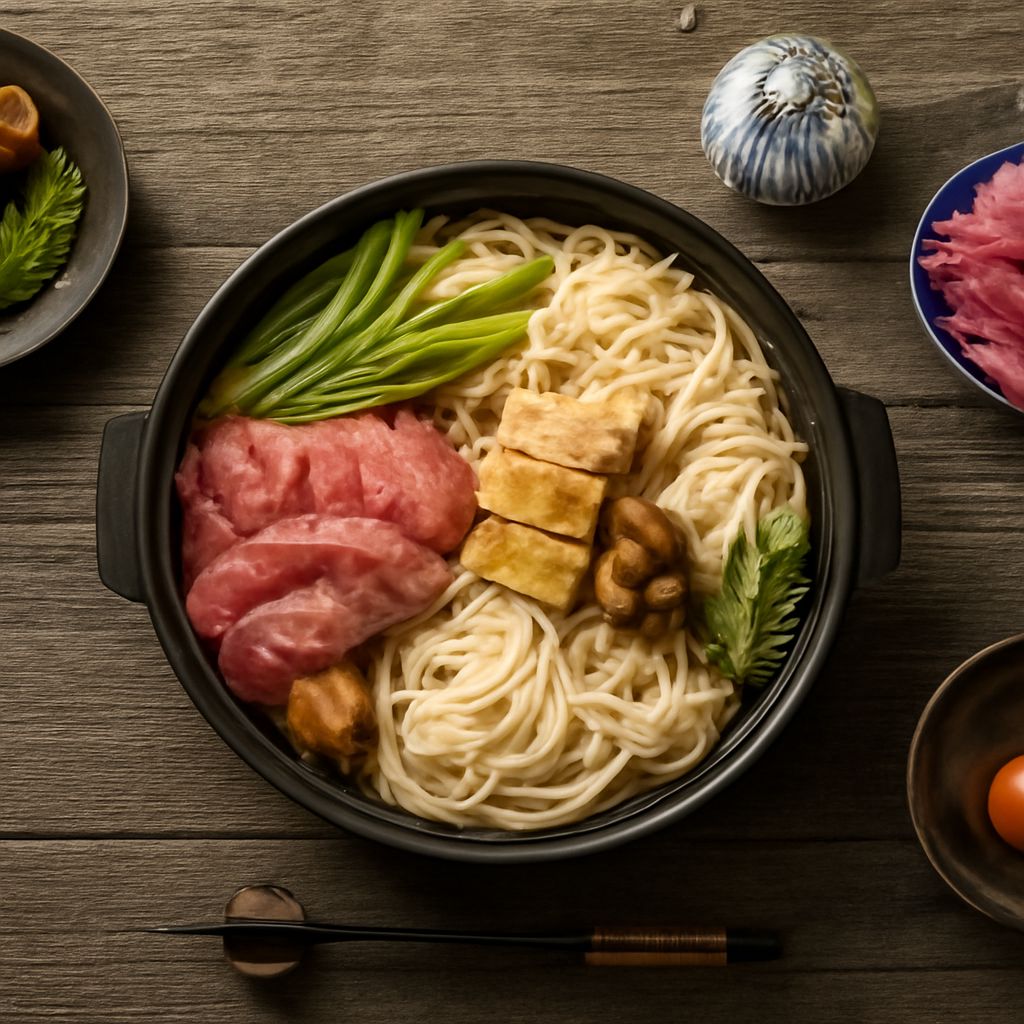
Japanese cuisine offers a rich tapestry of flavors, textures, and experiences that reflect Japan’s diverse culture and history. Whether you’re sampling sushi in a bustling Tokyo market or savoring a bowl of ramen in a cozy Kyoto eatery, you’re sure to encounter dishes that are as delightful as they are distinct. This guide will walk you through popular and traditional Japanese food, exploring their unique ingredients, preparation methods, and cultural significance.
Introduction to Japanese Cuisine
Japanese cuisine is renowned for its emphasis on seasonality, quality ingredients, and presentation. It embodies an elegant simplicity, highlighting the natural flavors of each component. Key elements include rice, seafood, vegetables, and meats, all prepared using techniques that preserve their authenticity. The traditional dining experience is often centered around balance, both in terms of taste and nutrition, which is why many Japanese foods are celebrated worldwide.
Popular Japanese Dishes
Japan offers a plethora of well-loved dishes that have captured the hearts of food enthusiasts globally. Here are some of the most popular Japanese foods that you should definitely try:
- Sushi: This iconic dish consists of vinegared rice paired with various toppings, mainly raw fish. Sushi comes in various forms, such as nigiri and sashimi, and is known for its fresh and clean taste.
- Ramen: A comforting noodle soup dish that balances savory broth with chewy noodles, often topped with slices of pork, nori, and a soft-boiled egg.
- Tempura: Lightly battered and deep-fried seafood or vegetables, tempura is celebrated for its crispy texture and subtle flavors.
- Yakitori: Skewered and grilled chicken, typically seasoned with tare sauce or simple salt, offering a smoky and satisfying taste.
- Udon: Thick wheat noodles served in a mild broth, often garnished with scallions and tempura flakes.
- Okonomiyaki: A savory pancake made with flour, eggs, shredded cabbage, and various toppings such as meat or seafood.
Traditional Japanese Food
Traditional Japanese food is steeped in history and often linked to local customs and religions. Here are some classic dishes that represent Japan’s culinary heritage:
- Washoku: This traditional style of Japanese cooking emphasizes harmony between foods, comprising rice, miso soup, and various side dishes.
- Kaiseki: A multi-course meal that showcases the chef’s skills and seasonal ingredients. Each dish is crafted with precision and artistry.
- Shabu-shabu: A hot pot dish where thin slices of meat are quickly swished through boiling broth and enjoyed with dipping sauces.
- Natto: Fermented soybeans known for their strong flavor and sticky texture, often served with rice for breakfast.
- Mochi: Glutinous rice cakes that can be filled with sweet or savory fillings, traditionally eaten during New Year’s celebrations.
Regional Specialties in Japan
Japan’s diverse geographies produce a wide variety of regional specialties, each with distinct flavors and preparations. Here are some noteworthy examples:
- Sapporo Ramen: Known for its miso-based broth, this ramen from Hokkaido is hearty and perfect for cold climates.
- Takoyaki: Originating from Osaka, these are octopus-filled batter balls, crispy on the outside and tender inside, often topped with bonito flakes.
- Hiroshima-style Okonomiyaki: This regional variant layers ingredients, including noodles, creating a substantial and flavorful dish.
- Yudofu: Kyoto’s specialty tofu dish, simmered in a delicately flavored broth, reflecting the city’s appreciation for simplicity and elegance.
- Kobe Beef: A premium beef from the Hyogo Prefecture, celebrated for its marbling and tenderness, often served as steak or sashimi.
How to Enjoy Japanese Cuisine at Home
Bringing the taste of Japan into your home can be a delightful experience. Here are some tips for preparing and enjoying Japanese dishes at home:
- Start with Simple Ingredients: Use fresh produce, quality rice, and authentic seasonings like soy sauce and miso to build the foundation of your dishes.
- Learn Basic Techniques: Mastering the art of sushi rolling or tempura frying can greatly enhance your culinary repertoire.
- Explore Specialized Tools: Invest in a rice cooker or a Japanese knife to make your cooking process smoother and more authentic.
- Follow Traditional Recipes: Respecting recipes that have been passed down through generations helps ensure an authentic taste.
- Enjoy the Presentation: Pay attention to the aesthetics of how your food is served; presentation is key in Japanese cuisine.
By understanding and exploring popular and traditional Japanese dishes, you can appreciate the intricate nuances of this flavorful cuisine and perhaps even incorporate its elements into your culinary endeavors at home.