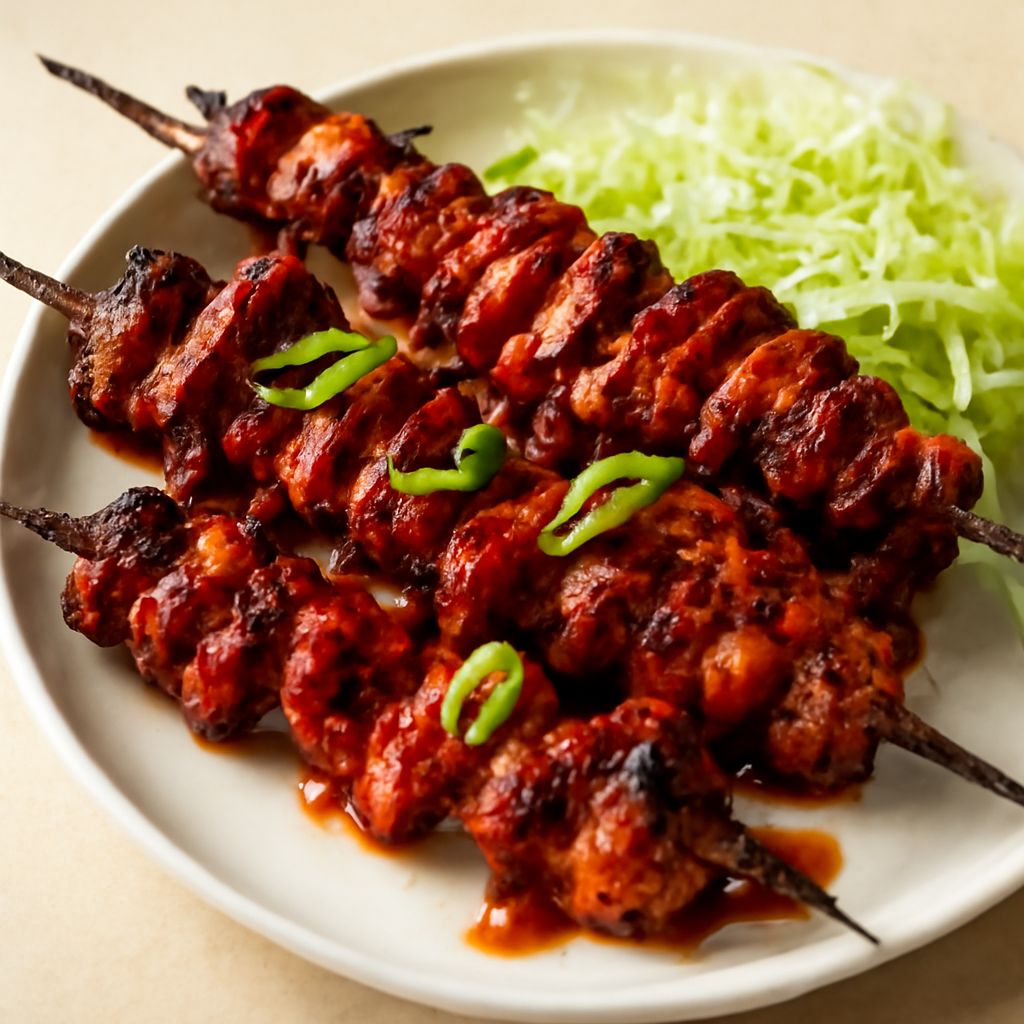
Filipino recipes are a vibrant tapestry of flavors, textures, and traditions, offering you a taste of the Philippines’ rich cultural heritage. Every Filipino dish tells a story—of trade, colonization, regional bounty, and family gatherings. If you’re searching for the best Filipino food to try or curious about what makes traditional Filipino food stand out, understanding these iconic dishes and their origins will inspire your next culinary adventure.
What Makes Filipino Recipes Unique?
Filipino recipes stand apart for their ingenious blending of indigenous ingredients with influences from China, Spain, America, and neighboring Asian countries. This fusion creates dishes both familiar and novel, where sweet, sour, and savory often collide in a single bite. You’ll notice the generous use of vinegar, soy sauce, garlic, coconut, and tropical fruits, which lend Filipino food its signature character.
Unlike cuisines that strictly separate flavors, traditional Filipino food celebrates contrasts. Take adobo, for example—it harmonizes the sharp tang of vinegar with salty soy sauce and the warmth of garlic, producing a complex yet comforting stew. Many Filipino recipes also balance savory mains with sweet touches, such as banana ketchup or atchara (pickled papaya), to round out the meal. This approach shapes the uniquely bold and approachable flavors you’ll find in every aspect of Filipino cooking.
Another hallmark of Filipino recipes is their adaptability. Many classic dishes can be made with whatever is fresh and available, reflecting the country’s resourcefulness in the kitchen. From simple street food to festive feasts, you’ll discover an inviting hospitality and creativity at the heart of each Filipino dish.
The communal spirit is essential, too. Meals are often served family-style, encouraging everyone to share from communal platters. This custom not only reflects Filipino values of togetherness but also ensures that every meal feels like a celebration, no matter how humble or grand.
Classic Filipino Dishes Everyone Should Try
Some Filipino dishes have become household names, not just in the Philippines but wherever Filipinos have settled. Each one highlights a different dimension of the cuisine, and trying them gives you a delicious introduction to Filipino food.
- Adobo: Often called the unofficial national dish, adobo is a savory stew of chicken or pork braised in vinegar, soy sauce, garlic, bay leaves, and peppercorns. Variations abound—from coconut milk-enriched versions in the south to regional twists with potatoes or hard-boiled eggs. Adobo’s deep, tangy, and garlicky flavor is universally loved and easy to make at home.
- Sinigang: This sour tamarind soup features pork, shrimp, or fish simmered with vegetables like eggplant and radish. Each spoonful delivers a refreshing tartness, balanced by the natural sweetness of the meat and vegetables. Sinigang is celebrated for its comforting, restorative qualities and is often enjoyed during rainy days.
- Lechon: The crown jewel of Filipino celebrations, lechon is a whole pig roasted over charcoal until the skin is crisp and the meat is juicy. Served with a liver-based sauce or vinegar, lechon is a showstopper at fiestas and family gatherings.
- Pancit: Pancit refers to a wide range of noodle dishes, but pancit canton (stir-fried egg noodles with vegetables, meat, and seafood) and pancit bihon (thin rice noodles with similar toppings) are perennial favorites. These dishes symbolize long life and are staples at birthday parties and special occasions.
- Kare-Kare: This rich stew features oxtail, tripe, and vegetables in a thick peanut sauce, typically served with bagoong (fermented shrimp paste) on the side. Kare-kare’s mild, nutty flavor is unique in Filipino cuisine and beloved for its indulgence and depth.
- Halo-halo: A quintessential Filipino dessert, halo-halo combines shaved ice, sweetened beans, fruits, jellies, leche flan, and purple yam, all topped with evaporated milk. The name means “mix-mix,” and it’s the ultimate way to cool down in the tropical heat.
While these are just a few highlights, the best Filipino food is often found in local markets, homes, and roadside eateries, where recipes are lovingly passed down through generations. Don’t miss other favorites like lumpia (spring rolls), laing (spicy taro leaves in coconut milk), or the savory-sweet tocino (cured pork).
Each of these dishes showcases how Filipino cuisine maximizes local ingredients and turns even everyday moments into festive, flavorful experiences. Whether you’re sampling street food or a labor-intensive holiday feast, you’ll taste the care and creativity that define Filipino food culture.
Regional Influences in Traditional Filipino Food
The Philippines is an archipelago of more than 7,000 islands, and each region has contributed its own specialties to the Filipino culinary landscape. Understanding these regional influences helps you appreciate the diversity and adaptability of Filipino recipes.
Luzon, the largest island group, is known for hearty, robust flavors. Dishes like bagnet (crispy pork belly) from Ilocos, pancit palabok (noodles with rich shrimp sauce) from Central Luzon, and laing from Bicol showcase the use of local produce, coconut milk, and chilies. Metro Manila, as the nation’s capital, offers a melting pot of regional favorites, street food, and international twists.
Visayas highlights fresh seafood and bold barbecue flavors. Lechon Cebu is famed for its aromatic stuffing of lemongrass and spices, while inasal (grilled chicken marinated in vinegar, calamansi, and annatto) from Bacolod is beloved for its savory, smoky taste. Dishes here often balance salty, sour, and sweet notes, reflecting both Spanish and indigenous influences.
Mindanao brings Islamic and Malay elements, with an emphasis on spices, coconut, and tropical fruits. Signature dishes include pastil (rice topped with spiced meat and wrapped in banana leaves), pianggang (grilled chicken in blackened coconut paste), and kinilaw (seafood ceviche marinated in vinegar and citrus). Halal cooking traditions and an abundance of exotic produce make this region’s cuisine distinctively bold and aromatic.
This regional variation means you’ll encounter endless ways to prepare the same dish depending on where you are. For example, sinigang may feature guava, green mango, or calamansi instead of tamarind, while adobo can be cooked with coconut milk in the Visayas and Mindanao. Exploring Filipino food by region lets you experience its full range, from the spicy, creamy stews of Bicol to the citrusy, grilled meats of the Visayas.
The Best Filipino Food: Signature Flavors and Ingredients
At the heart of the best Filipino food are the signature flavors that define the cuisine: sour, salty, sweet, and umami-rich. These taste profiles aren’t just present—they’re layered, sometimes within the same dish, giving Filipino recipes their addictive complexity.
Vinegar is foundational, used as a preservative and flavor booster. Filipino adobo, kinilaw, and paksiw all rely on different types of vinegar, from cane to coconut. Vinegar adds brightness and balances fatty or rich ingredients, making dishes more lively and shelf-stable in the tropical climate.
Soy sauce and fish sauce (patis) contribute essential saltiness and depth. These umami-packed seasonings are ubiquitous, lending complexity to marinades, stir-fries, and dipping sauces. Bagoong, a fermented shrimp or fish paste, provides another punchy layer, especially in kare-kare or as a side for green mangoes.
Coconut milk is another pillar, imparting creaminess and subtle sweetness to regional dishes like ginataang gulay (vegetables in coconut milk) and laing. Alongside coconut, tropical fruits such as green papaya, jackfruit, and mango frequently appear, either as main ingredients or refreshing sides.
Filipino cooking also celebrates local vegetables and tubers: kangkong (water spinach), upo (bottle gourd), and taro leaves are common. Proteins range from pork, chicken, and beef to abundant seafood like tilapia, bangus (milkfish), and prawns. Rice is the essential staple, accompanying every meal and sometimes starring in delicacies like bibingka (rice cake) or puto (steamed rice muffins).
Street food is another realm where Filipino food shines. Skewered meats like isaw (grilled chicken intestines), betamax (coagulated chicken blood), and kwek-kwek (deep-fried quail eggs) offer bold flavors on a budget. These snacks showcase Filipinos’ ability to turn humble ingredients into crave-worthy treats through creative seasoning and cooking methods.
From home kitchens to festive banquets, the best Filipino food delights in surprising and satisfying your palate with every bite. The interplay of sour sinigang, sweet-salty tocino, and creamy coconut stews ensures there’s something for every taste and every occasion.
How to Cook Popular Filipino Recipes at Home
Bringing the flavors of Filipino cuisine to your kitchen is easier than you might think. Many iconic Filipino recipes use straightforward techniques and accessible ingredients, making them perfect for adventurous home cooks or anyone craving comfort food with a twist. Here’s how to prepare some of the most beloved dishes in Filipino cooking.
Adobo (Chicken or Pork)
- Ingredients: 2 lbs chicken or pork (or a mix), 1/2 cup soy sauce, 1/2 cup vinegar, 1 bulb garlic (crushed), 2 bay leaves, 1 tsp black peppercorns, 1 tbsp brown sugar (optional), 1 cup water, 2 tbsp oil.
- Method: Marinate meat in soy sauce, vinegar, garlic, and pepper for 30 minutes. Heat oil, brown the meat lightly, then pour in the marinade with bay leaves and water. Simmer over low heat until meat is tender and sauce is reduced (about 40 minutes). Add brown sugar if you like it slightly sweet. Serve over steamed rice.
- Success cues: Sauce should be glossy and slightly thick; meat should be tender but not falling apart. Taste the sauce and adjust vinegar or soy sauce for your preferred balance.
Sinigang na Baboy (Pork Sour Soup)
- Ingredients: 2 lbs pork (ribs or belly), 1 packet tamarind soup base or 1 cup fresh tamarind pulp, 1 onion (quartered), 2 tomatoes (quartered), 1 daikon radish (sliced), 1 eggplant (sliced), handful of string beans, 1 bunch water spinach, salt and fish sauce to taste.
- Method: Boil pork in water with onion, skimming off scum. Add tomatoes, tamarind base or pulp, and simmer until pork is tender. Add vegetables in stages—radish and eggplant first, then string beans, and finally water spinach just before serving. Season with fish sauce and salt. Serve hot with rice.
- Success cues: Broth should be tangy and clear; vegetables tender but not mushy. Adjust sourness with more tamarind or less to suit your taste.
Kare-Kare (Peanut Stew)
- Ingredients: 2 lbs oxtail (or beef shank), 1 lb tripe (optional), 1 banana blossom (sliced), 1 eggplant, 1 bunch string beans, 1/2 cup peanut butter, 1/4 cup ground toasted rice, 1 onion, 4 cloves garlic, 6 cups water, annatto oil for color, salt and pepper, bagoong for serving.
- Method: Boil oxtail and tripe (if using) until tender, reserving broth. Sauté onion and garlic, add vegetables, then pour in broth, peanut butter, and ground rice. Simmer until thick and vegetables are cooked. Add annatto oil for color. Serve with bagoong on the side.
- Success cues: Stew should be thick but pourable, with a mildly sweet, nutty flavor. Vegetables and meat should be fork-tender.
Pancit Canton (Stir-Fried Noodles)
- Ingredients: 1 lb egg noodles, 1/2 lb pork or chicken (sliced), 2 cups mixed vegetables (carrots, cabbage, snow peas), 1 onion, 3 cloves garlic, 2 tbsp soy sauce, 1 tbsp oyster sauce, 2 cups chicken broth, oil, salt and pepper.
- Method: Sauté onion and garlic, add meat and cook until browned. Add vegetables and cook until just tender. Stir in noodles, soy sauce, oyster sauce, and broth. Toss until noodles are cooked and liquid is absorbed. Adjust seasoning as needed.
- Success cues: Noodles should be soft but not mushy, vegetables crisp-tender, and entire dish well seasoned.
Tips for Success with Filipino Recipes
- Use fresh, quality ingredients whenever possible—local markets or Asian groceries are great sources for authentic components like fish sauce, annatto, or banana leaves.
- Don’t be afraid to adjust acidity (vinegar or tamarind), sweetness, or saltiness to match your preferences. Filipino food is highly adaptable and should suit your palate.
- Rice is almost always served with Filipino dishes; a rice cooker makes meal prep easier and keeps every meal authentic.
- Many Filipino recipes taste even better as leftovers, with flavors deepening overnight. Make extra and enjoy the next day.
Try exploring more Filipino recipes as you get comfortable—dishes like laing, bicol express, or sisig offer new flavors and techniques to master. The heart of traditional Filipino food is in sharing, so invite friends or family to the table and enjoy the best Filipino food together.