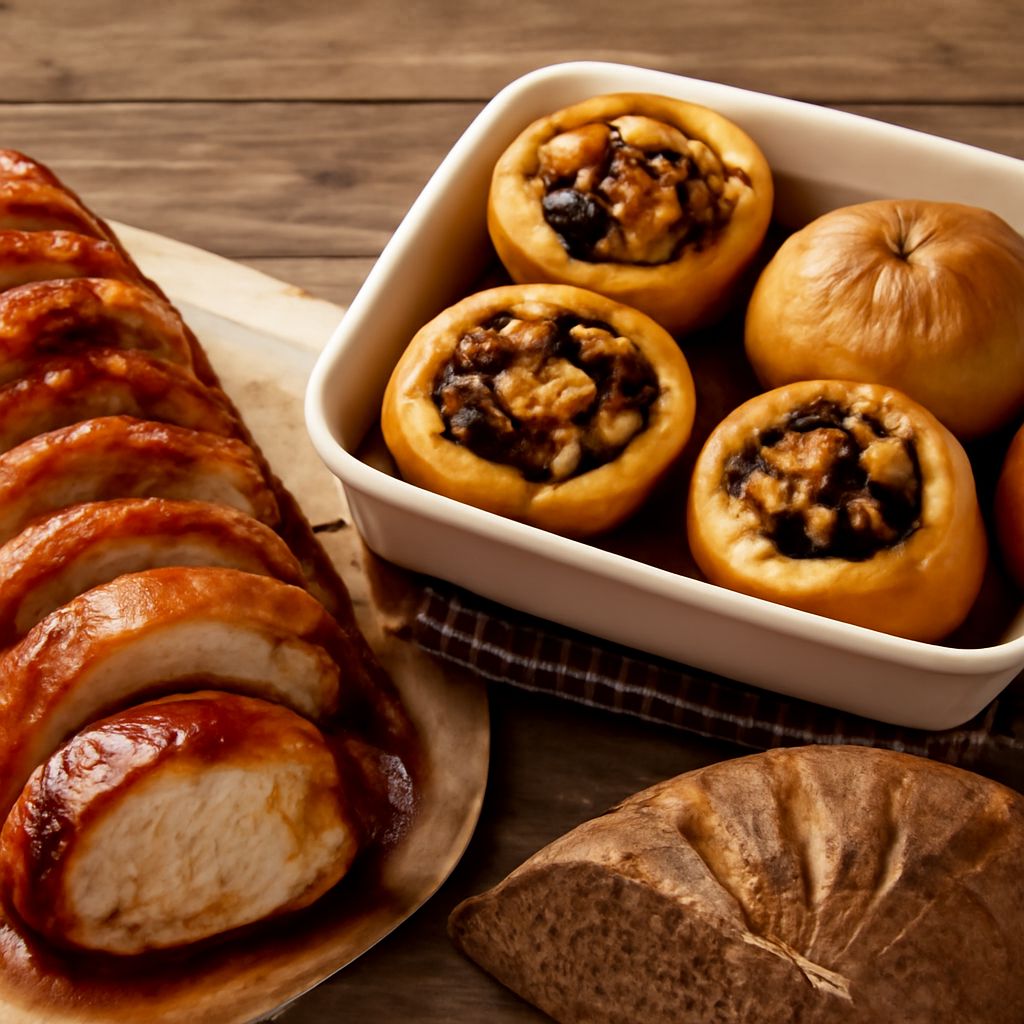
What should you order in Germany to understand its regional cooking? Begin with a regional specialty: tender Swabian pasta parcels, a Rhineland pot roast, or a slice of the bread that anchors an evening meal. Traditional foods in German kitchens tell stories of local harvests, neighboring cultures, and meals shared around the table.
Traditional German Food: Hearty Plates With Distinct Personalities
For a traveler heading to Germany, food traditions are easier to understand by looking at the whole plate. Sauce, dumplings, vegetables, and meat often belong together, each giving the next bite a different texture. The German National Tourist Board’s regional recipes offer a glimpse of this variety, from Swabian pasta to dishes from the Rhineland.
Sauerbraten is a slowly braised roast, traditionally marinated before cooking. Its sauce has a pleasant sweet-and-sour character, though the balance and ingredients change with the cook and region. In the Rhineland, you may find it with potato dumplings and red cabbage. Choose it when you want a leisurely, substantial meal: the dumpling catches the sauce, while the cabbage brings a brighter note to the rich meat.
Traditional German food includes Maultaschen, large pasta parcels from Swabia in southwest Germany, wrapped around a savory filling. Meat, spinach, bread, and herbs are common components. They may arrive in broth or sliced and pan-fried; potato salad is another companion. The broth version is a good choice when you want something warming but less saucy than a roast. Ask about the filling if you avoid meat, since a green fleck does not tell you what else is inside.
For a softer, simpler pleasure, try Käsespätzle: small egg noodles layered with melted cheese and often topped with browned onions. The onions add a crisp, savory edge to the tender noodles. It can be a satisfying meatless main course, although recipes and cooking fats vary, so ask about ingredients if you follow a vegetarian diet. Spätzle also appear beside roasts, where their irregular shapes hold gravy beautifully.
Follow the Region and the Season
The food from Germany changes noticeably as you travel. Near the northern coast, fish is a natural choice: a herring roll, or Fischbrötchen, brings fish and a bread roll together in an easy meal for a walk. Preparations vary, so look for the description of the fish and any onions or sauce before ordering. It is an appealing counterpoint to a long sit-down lunch.
In Frankfurt, Grüne Soße is a cool green herb sauce commonly served with boiled eggs and potatoes. It makes a lively choice when you want an herbaceous plate rather than a braise. In Bavaria, look for a soft pretzel with Obatzda, a seasoned cheese spread; the firm, salted crust and creamy spread make a particularly good snack to share. These dishes show how German food traditions can be built around herbs, dairy, bread, and vegetables as well as meat.
Time of year matters, too. In spring, white asparagus, or Spargel, appears on seasonal menus, often with potatoes and hollandaise or melted butter. Its delicate flavor is best appreciated with simple accompaniments. In autumn, onion tart and a glass of young wine can mark the harvest in wine-growing areas; the tourist board’s culinary calendar places both in that seasonal setting. Look for a menu’s seasonal section when you want to taste what a region is celebrating now.
Bread Is a Meal, Not Just a Side
A bakery counter is an excellent place to explore the country’s regional flavors at your own pace. Rye-rich loaves can be dense and pleasantly tangy; wheat rolls tend to have a lighter interior and crisp crust. Pretzels have their own burnished exterior and chewy center. Ask for a slice or roll with cheese, and you can experience the contrast without ordering a full restaurant meal.
Bread also has a place at the evening table. Abendbrot, literally “evening bread,” may bring sliced bread, cheese, cold cuts, and other accompaniments together as a simple meal. The German National Tourist Board’s guide to bread culture describes regional baking traditions and their range. If you are assembling a picnic, choose a sturdy loaf, a spread, and something crisp such as radishes or pickles; the combination travels well and gives you several textures in each bite.
Save Room for Cake
A café or Konditorei offers a different kind of regional tour. Black Forest cake layers chocolate sponge, cherries, and cream; kirsch, a cherry spirit, is a traditional ingredient, so ask before ordering if you avoid alcohol. The fruit cuts through the richness, making a small slice a lovely companion to coffee.
In Saxony, look for Dresden Eierschecke, a layered cake with a creamy topping. Hamburg’s Franzbrötchen is a cinnamon pastry with a caramelized surface and soft folds inside. These are distinct from one another in texture and setting: choose the cake for a pause at a table, or the pastry for a bakery stop. The tourist board’s guide to regional cakes identifies Eierschecke with Dresden and Black Forest cake with the southwest.
Choose for the Occasion
When reading a menu, first decide how much time and appetite you have. A roast with dumplings makes sense for an unhurried lunch; a bread-and-cheese plate or fish roll can fit between visits. Ask whether sides are included, since a menu may list potatoes or salad separately. For dietary needs, ask specifically about broth, bacon, gelatin, or alcohol in the dish you have chosen.
A classic German food such as sauerbraten rewards a sit-down meal, while a bakery can introduce several flavors in smaller portions. If you are in Swabia on a cool afternoon, order Maultaschen in broth: the warm parcels make a comforting lunch, and the regional specialty leaves room for a slice of cake later.