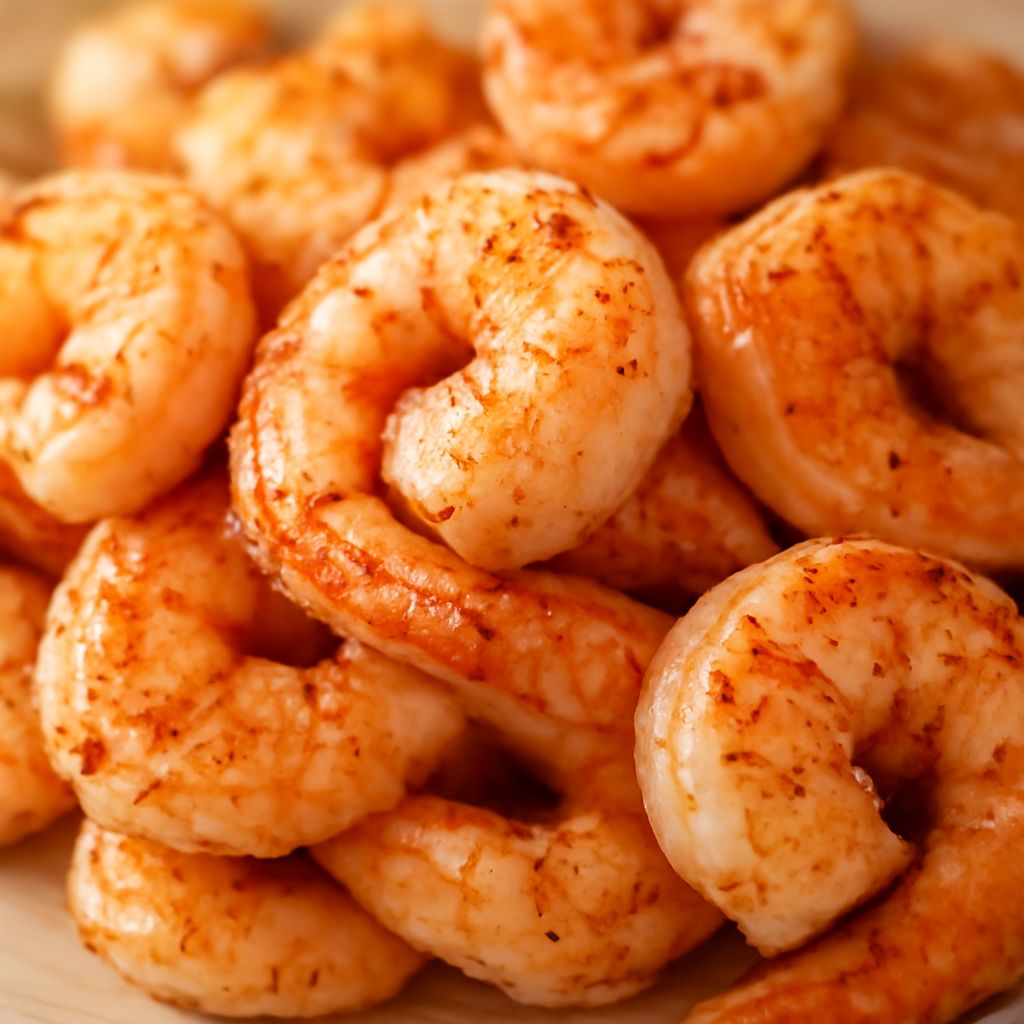
A pot of water is ready and a pound of raw shrimp is waiting beside the stove. How many minutes should raw shrimp cook in the water? Usually only a few: bring the liquid to a boil, lower it to a gentle simmer, and check the thickest shrimp as soon as it turns opaque. If you are cooking particularly large shrimp, their boiling time will be longer than that of small ones.
The clock is a guide, while the center of the shrimp tells you when dinner is ready. Size, whether the shrimp are peeled, and how cold they are when they enter the pot all affect the timing.
How Long to Boil Jumbo Shrimp and Smaller Sizes
For 1 pound of thawed raw shrimp, use about 2 quarts of water in a large saucepan. Add 1 tablespoon kosher salt, half a lemon cut into wedges, and, if you like, a bay leaf or a few peppercorns. This makes roughly four appetizer servings. Have a slotted spoon or colander ready before the shrimp go in; they cook quickly once the water returns to a simmer.
Bring the seasoned water to a boil. Add the shrimp, stir gently to separate them, and reduce the heat to maintain a gentle simmer. Start timing when the shrimp go in. The following are approximate starting points for thawed shrimp in an uncrowded pot; begin checking at the earlier time and cook longer if the centers are still translucent:
| Size and preparation | Approximate time |
|---|---|
| Small, peeled | 1 to 2 minutes |
| Small, shell-on | 2 to 3 minutes |
| Jumbo, peeled | 3 to 4 minutes |
| Jumbo, shell-on | 4 to 5 minutes |
How long to boil raw shrimp depends on the actual size of the pieces as well as the water’s recovery after they are added. Labels such as “jumbo” vary, and a crowded pan or very cold shrimp can take longer. Remove one of the largest pieces and cut into its thickest part to check; return the rest to the simmer briefly if necessary.
Prepare the shrimp first
Buy raw shrimp with a mild smell, and keep them cold until cooking. If frozen, thaw them overnight in the refrigerator in a covered container. For a quicker method, seal them in a bag and immerse it in cold water, then cook immediately. The FDA’s seafood guidance describes these thawing methods and advises against using seafood with sour, rancid, fishy, or ammonia odors.
Peel before cooking if you want a ready-to-eat result, or leave the shells on for serving at the table. To remove the dark vein, make a shallow cut along the back with a small knife and lift it out. For shell-on shrimp, use kitchen shears to cut along the back of the shell first. Rinse briefly under cold water if needed, and drain.
Wash your hands, knife, cutting board, and counter after they touch raw seafood. Put the cooked shrimp on a clean plate, not the one that held them raw. These small preparations are easier to do before the water is boiling.
Look for the center to change
Raw shrimp flesh is translucent and grayish. As it cooks, it becomes firm, pearly, and opaque. Cut into the thickest part of a large piece: there should be no translucent center. The FDA advises cooking most seafood to 145°F; use a food thermometer in the thickest part where practical. Color on the outside and a curled shape are helpful clues, but the center is the better place to make the decision.
When they are done, lift the shrimp out promptly. For a warm dish, drain and serve with lemon and melted butter. For shrimp cocktail or a cold salad, transfer them to a bowl of ice water just long enough to cool, then drain and refrigerate. The cold water stops carryover cooking, preserving that pleasant tender bite.
If you want to know how long to boil jumbo shrimp for a party, make a small test batch first and note its timing in your own pot. This gives you a guide for the remaining shrimp, while checking the centers still accounts for differences in size.
Peeled, shell-on, and ready to serve
The method for how to boil peeled shrimp is the same gentle simmer, but check them early because they have no shell around the flesh. With shell-on shrimp, peel after cooking if your guests prefer, or serve them with a bowl for the shells. A little lemon juice and a pinch of salt are enough to bring the sweet flavor forward.
For perfect boiled shrimp in a salad, cool and drain them before mixing with dressing, so excess water does not thin the sauce. Refrigerate cooked seafood within two hours, or within one hour if the temperature is above 90°F. Keep it cold until serving.
If the center is still glassy when you cut into the largest piece, return the batch to the simmer briefly and check again. If the shrimp are tightly curled and rubbery, start checking earlier on the next batch and remove them as soon as the flesh is opaque throughout.