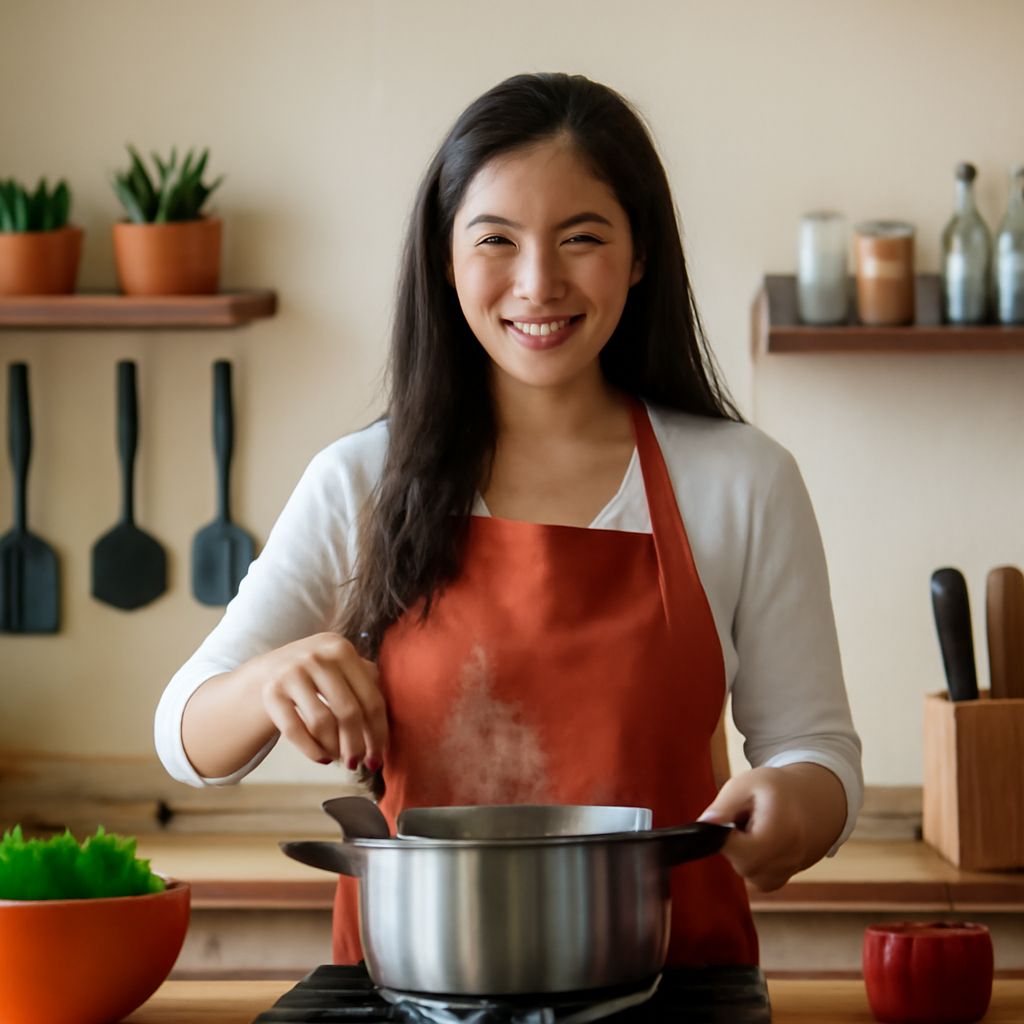
Embarking on your journey to learn how to cook can be both exciting and daunting. Mastering the basics of cooking is not only about following recipes but understanding techniques, using the right tools, and building confidence. This guide will help you learn to cook food by offering essential tips and techniques for beginners.
Understanding Basic Cooking Techniques
Grasping fundamental cooking methods is crucial for any beginner. Here are a few techniques that form the backbone of culinary skills:
- Sautéing: Quickly cook food in a small amount of oil over high heat, ideal for vegetables and meats.
- Boiling: Cooking food in water or broth at a rolling boil, perfect for pasta and certain vegetables.
- Roasting: Cooking food with dry heat in an oven, suitable for meats, poultry, and root vegetables.
- Steaming: Using steam to cook food without direct contact with water, preserving nutrients in vegetables.
- Baking: Cooking food with dry heat, typically in an oven, for bread, pastries, and casseroles.
Essential Kitchen Tools for Beginners
Having the right kitchen tools can make your cooking experience smoother and more enjoyable. Here are some essentials:
- Chef’s Knife: A versatile tool for chopping, slicing, and dicing.
- Cutting Board: Opt for a durable, non-slip board for safe food preparation.
- Measuring Cups and Spoons: Essential for accurate ingredient measurements.
- Saucepans and Frying Pans: Useful for a variety of cooking methods, choose non-stick or stainless steel.
- Mixing Bowls: Ideal for combining ingredients and preparing mixtures.
Simple Recipes to Start Your Cooking Journey
Starting with simple recipes helps build your skills and confidence. Here are a few beginner-friendly ideas:
- Scrambled Eggs: Whisk eggs with a pinch of salt and cook over medium heat until soft and creamy.
- Grilled Cheese Sandwich: Butter bread slices, add cheese, and grill until golden brown and melted.
- Pasta with Tomato Sauce: Cook pasta, heat canned tomato sauce, and combine with your favorite spices.
- Stir-Fried Vegetables: Sauté a mix of your favorite veggies in olive oil, seasoned with soy sauce or garlic.
Common Cooking Mistakes and How to Avoid Them
Avoiding common pitfalls can enhance your cooking experience. Here are some mistakes to watch out for:
- Not Reading the Recipe First: Always read through a recipe before starting to avoid surprises.
- Overcrowding the Pan: Give ingredients space to cook evenly, especially when sautéing or roasting.
- Neglecting to Preheat the Oven: Ensure even cooking by preheating your oven to the required temperature.
- Using Dull Knives: Keep knives sharp to ensure precision and safety when cutting.
- Skipping Seasoning: Enhance flavors by seasoning your food properly with salt, pepper, and herbs.
Tips for Gaining Confidence in the Kitchen
Building confidence in the kitchen comes with practice and patience. Here are some tips to help you grow:
- Start Small: Begin with simple recipes and gradually try more complex dishes.
- Practice Regularly: Make cooking a regular part of your routine to improve your skills.
- Experiment with Flavors: Try different spices and ingredients to discover what you enjoy best.
- Learn from Mistakes: Embrace errors as learning opportunities and try again.
- Seek Feedback: Share your creations with family and friends to gain constructive feedback.
By understanding these basics and continually practicing, you’ll find that learning to cook can be a rewarding and enjoyable experience. Each dish you create will bring you closer to mastering the art of cooking.