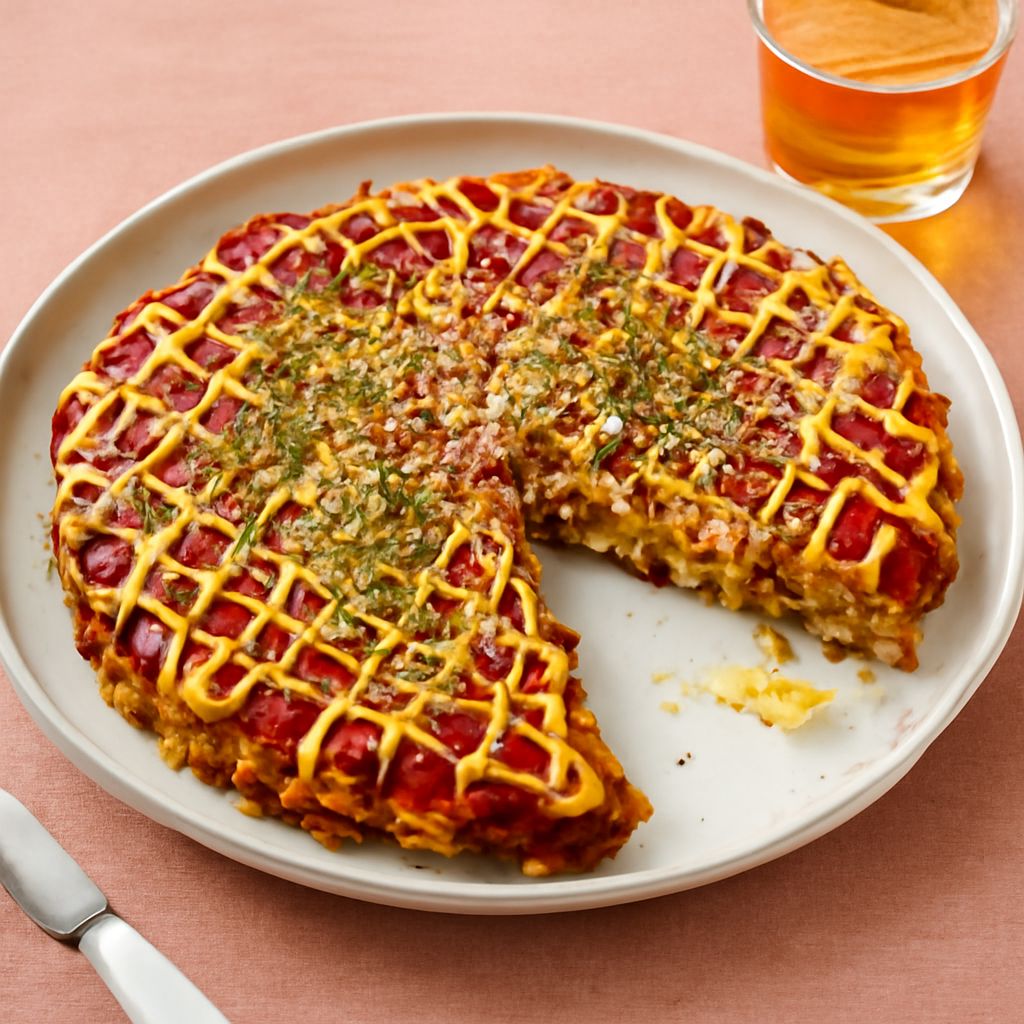
Okonomiyaki is a popular Japanese savory pancake that combines a flavorful batter with various ingredients, allowing you to customize it to your taste. The term “okonomiyaki” roughly translates to “grilled as you like it,” which perfectly encapsulates the dish’s versatility. Whether you’re a seasoned chef or a home cook, making okonomiyaki at home can be both effortless and rewarding. This guide will walk you through an authentic okonomiyaki recipe, from preparing the batter to serving a perfectly cooked pancake.
Introduction to Okonomiyaki
Originating from Japan, okonomiyaki is often associated with street food but has a rich history that dates back to pre-war Japan. It’s particularly famous in the Kansai region, especially Osaka, where it’s a staple comfort food. The dish is characterized by its unique combination of cabbage, meat or seafood, and a variety of toppings, all enveloped in a delicious okonomiyaki batter. What makes it truly special is the creative freedom you have in choosing your ingredients, allowing for endless variations.
Essential Ingredients for Okonomiyaki
Before diving into the cooking process, gather the essential ingredients required for okonomiyaki. Here’s a list of what you’ll need:
- Cabbage: Use about 2 cups of finely chopped cabbage as this forms the base of your okonomiyaki.
- Okonomiyaki Batter: This includes flour, dashi stock (or water), eggs, and a pinch of salt. You can also find pre-made okonomiyaki batter mixes at Asian grocery stores.
- Protein: Common choices include thinly sliced pork belly, shrimp, squid, or even cheese for a vegetarian option.
- Green Onions: Finely chop 2-3 green onions to add a mild, fresh flavor.
- Tenkasu: These are crunchy tempura bits that add texture; optional but recommended.
- Pickled Ginger: Adds a tangy flavor; use about 1 tablespoon.
- Toppings: Okonomiyaki sauce, Japanese mayonnaise, bonito flakes (katsuobushi), and aonori (seaweed flakes).
Preparing the Okonomiyaki Batter
The secret to a great okonomiyaki is in its batter. Here’s how to prepare it:
- Flour Blend: Combine 1 cup of all-purpose flour with 3/4 cup of dashi stock or water. This liquid gives the batter its umami flavor.
- Add Eggs: Mix in 2 large eggs, which will help bind the ingredients together.
- Seasoning: Add a pinch of salt and, if desired, a little grated yam (nagaimo) for extra fluffiness.
- Whisk the mixture until smooth, ensuring no lumps remain.
Step-by-Step Okonomiyaki Recipe
- Prepare Ingredients: In a large bowl, combine the cabbage, green onions, tenkasu, and pickled ginger. Mix well.
- Combine with Batter: Add the prepared okonomiyaki batter to the vegetable mix. Stir until all ingredients are well-coated.
- Preheat and Oil the Pan: Heat a non-stick skillet or griddle over medium heat and add a little oil.
- Form the Pancake: Pour a portion of the batter mixture onto the skillet, shaping it into a round pancake, approximately 1/2 inch thick.
- Add Protein: Place your chosen protein (e.g., pork belly slices) on top of the pancake.
- Cook First Side: Cover and cook for about 5 minutes, or until the bottom is golden brown and crispy.
- Flip and Cook Second Side: Carefully flip the pancake, cover, and cook for another 5 minutes.
- Final Touches: Once cooked through, remove from heat and transfer to a plate. Drizzle with okonomiyaki sauce and mayonnaise. Sprinkle with bonito flakes and aonori.
Tips for Perfecting Your Okonomiyaki
- Experiment with Fillings: Don’t hesitate to try different ingredients like cheese, kimchi, or corn to keep it interesting.
- Avoid Overmixing: Overmixing the batter can result in a dense pancake. Stir just until the ingredients are combined.
- Check for Doneness: Ensure the pancake is cooked through by noticing that the batter is no longer runny in the center before flipping.
- Use a Lid: Covering the pan while cooking traps steam, helping cook the pancake evenly.
- Serve Immediately: Okonomiyaki is best enjoyed hot, right off the griddle.