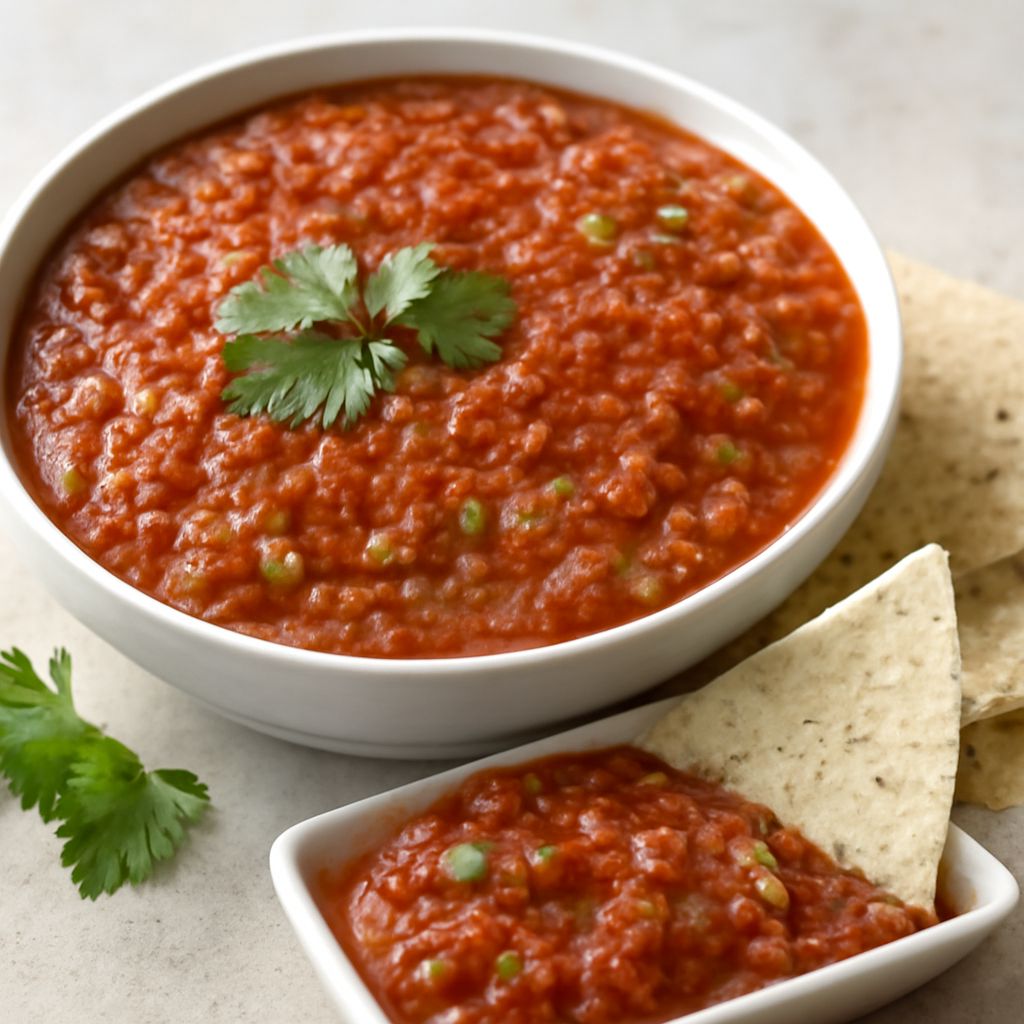
Learning how to make salsa gives you endless ways to enjoy one of the world’s most beloved condiments—fresh, vibrant, and tailored exactly to your taste. Whether you want the bold zest of a classic restaurant salsa or a chunky homemade version packed with garden-fresh ingredients, making salsa at home is easy, fast, and rewarding. Here’s your step-by-step guide to how to make homemade salsa with tips for customizing, pairing, and answering the most common questions about this staple of Mexican cuisine.
Essential Ingredients for Homemade Salsa
Making salsa from scratch starts with fresh, quality ingredients. The classic salsa recipe—also known as salsa fresca or pico de gallo—relies on a balance of sweet, acidic, spicy, and herbal flavors. Here’s what you’ll need for a traditional tomato-based salsa, along with alternatives to help you make it your own.
- Tomatoes: Ripe Roma or plum tomatoes are ideal for salsa because they’re meaty and less watery than other varieties. If using larger tomatoes, remove seeds and excess juice to avoid a watery salsa.
- Onion: White onion is classic for its sharpness, but red onion brings sweetness and color. Chop finely for even flavor distribution.
- Chiles: Jalapeño is the most common for mild-to-medium heat. Serrano peppers offer more heat. For smoky depth, consider chipotle, or for even milder salsa, use poblano.
- Cilantro: Fresh cilantro adds a bright, herbal note signature to Mexican salsa. Use both leaves and tender stems.
- Lime juice: Freshly squeezed lime juice brings balanced acidity and brightness. Lemon works in a pinch, but lime is traditional.
- Salt: Fine sea salt seasons the mix and helps draw out juices from the veggies, blending flavors.
- Optional ingredients: Garlic for depth, green onions for bite, bell peppers for sweetness, or fruit (like mango or pineapple) for a fresh twist.
For a roasted salsa, you’ll need the same ingredients plus a little olive oil for roasting. Canned tomatoes can work in a pinch, especially outside tomato season, but fresh is always best for classic salsa. If you’re exploring how do you make salsa with less traditional ingredients, try tomatillos for a salsa verde or experiment with grilled corn or black beans for a hearty dip.
Step-by-Step Instructions for Making Salsa
Once you have your ingredients, the process of making salsa is straightforward. You can make salsa by hand for a chunkier texture or in a food processor or blender for a smoother consistency. Here’s how to do both:
-
Prep the Ingredients:
- Dice 4 ripe Roma tomatoes (about 2 cups), discarding most seeds and juice for a thicker salsa.
- Finely chop 1/2 medium white or red onion (about 1/2 cup).
- Remove stems and seeds from 1-2 jalapeños or serranos, then mince (use gloves to avoid irritation).
- Chop 1/3 cup fresh cilantro, including tender stems.
- Mince 1-2 cloves of garlic, if using.
- Juice 1-2 limes (2-3 tablespoons).
-
Combine the Ingredients:
- In a large bowl, combine tomatoes, onion, chiles, cilantro, and garlic.
- Add lime juice and 1 teaspoon of salt to start.
- Gently stir to mix everything together, being careful not to mash the tomatoes too much if you want a chunky texture.
-
Taste and Adjust:
- After mixing, taste for salt, acidity, and spice. Add more salt, lime juice, or jalapeño to preference.
- Let the salsa sit for 15-30 minutes at room temperature for flavors to meld. This is especially important for raw salsa, as the salt draws juice from the tomatoes and onions, marrying flavors.
-
Optional: Use a Food Processor or Blender:
- For a smoother salsa, pulse all ingredients in a food processor or blender 6-8 times, scraping the sides as needed. Don’t over-blend; a little texture is best.
- If your salsa seems watery, drain off some liquid or mix in a little tomato paste.
-
Serve or Chill:
- For immediate use, serve at room temperature with tortilla chips.
- For best flavor, cover and refrigerate for 1-2 hours before serving. Chilling helps mellow the raw onion and melds flavors.
This basic approach is at the heart of how to make salsa whether you want it rustic and chunky or smooth and restaurant-style. The same method works for variations—swap tomatoes for tomatillos, add fruit, or roast your veggies for depth.
Tips for Customizing Your Salsa
One of the great joys of how to make homemade salsa is tailoring it to your preference. From spice level to texture and add-ins, you have total control. Use these tips to perfect your next batch:
- Adjust heat: Remove seeds and membranes from chiles for less heat, or use milder peppers like Anaheim or poblano. To turn up the spice, include serrano, habanero, or add a pinch of red pepper flakes.
- Texture matters: For chunky salsa, hand-chop all ingredients. For smoother salsa, use a food processor or blender. Roasting veggies softens them and adds a smoky flavor, ideal for a salsa roja or salsa taquera.
- Flavor twists: Add diced mango, pineapple, or peach for a sweet-and-spicy fruit salsa. A splash of orange juice or a teaspoon of sugar can balance sharp acidity if your tomatoes are underripe.
- Roasted or grilled salsa: Roast tomatoes, onions, chiles, and garlic on a baking sheet at 425°F for 15-20 minutes, turning once. Cool, peel, and chop, or blend for a smoky, sweeter salsa with depth. You can also char veggies on a grill or in a cast iron skillet for a fire-roasted effect.
- Try salsa verde: Replace tomatoes with 1 pound of husked tomatillos. Boil or roast until soft, then blend with onion, cilantro, chile, and lime.
- Bulk preparation and storage: Salsa stays fresh in the refrigerator up to 5 days. For longer storage, freeze in small portions (note: cilantro and tomatoes change texture when thawed, but flavor remains good for cooking use).
- Pico de gallo vs. salsa: Pico de gallo is a type of salsa made with all raw ingredients, diced and mixed. Salsa can be raw, cooked, or blended smooth. Both follow similar ingredient guidelines.
Experiment with ratios and add-ins. If you crave garlic, use more. If you love cilantro, double it. If you want salsa for tacos, a smoother, spicier mix works best; for chips, a thick, chunky style holds up better. Understanding these options gives you mastery over how to make salsa that suits any occasion.
Serving Ideas and Pairings
Salsa’s versatility makes it a go-to condiment, topping, or dip. Here are some favorite ways to serve homemade salsa and creative pairings to consider:
- With tortilla chips: The classic! Offer both chunky and smooth varieties for dipping.
- On tacos and burritos: Spoon salsa over carne asada, chicken, or veggie tacos for freshness and heat. Use smooth salsa as a base for burrito bowls or breakfast burritos.
- As a topping: Try on grilled meats (chicken, steak, pork), eggs (especially huevos rancheros or scrambled eggs), or roasted fish for a fresh, tangy kick.
- With rice and beans: Stir into rice for a simple Mexican rice or serve alongside black or pinto beans.
- On salads: Top mixed greens or a southwest salad with salsa instead of dressing for a light, flavorful option.
- With grilled veggies or roasted potatoes: Use salsa as a finishing sauce for roasted or grilled vegetables, sweet potatoes, or corn on the cob.
- As a marinade or cooking sauce: Blend salsa until smooth and use as a marinade for chicken, pork, or tofu. Simmer salsa with eggs for a quick shakshuka, or use as a simmer sauce for braised meats.
- With breakfast: Add to avocado toast, omelets, or breakfast quesadillas for a bright, zesty start to your day.
For parties, serve a trio of salsas—classic red, roasted, and salsa verde—alongside guacamole and queso. Varying spice and texture ensures there’s something for every palate. Don’t forget to offer plenty of sturdy chips or crunchy vegetables for dipping!
Frequently Asked Questions About Salsa
How do you make salsa less spicy? Remove seeds and white membranes from your peppers, use milder varieties like Anaheim or poblano, and add extra tomatoes to dilute heat. If your salsa is already too spicy, stir in more tomato, onion, or a splash of fruit juice. A spoonful of sugar can help mellow excess heat.
Can you make salsa ahead of time? Yes. Salsa often tastes better after sitting for an hour or more as flavors meld. Store it covered in the refrigerator for up to 5 days. Always use clean utensils to avoid contamination.
Is it safe to can homemade salsa? Only if you use a tested recipe designed for canning, with the right acidity for safe preservation. Many fresh salsas are too low in acid to can safely without adjustments. For freezing, allow salsa to cool completely and freeze in airtight containers for up to 3 months.
Why is my salsa watery? Watery salsa is usually from high-water-content tomatoes or over-blending. To fix, drain some liquid after mixing or use Roma/plum tomatoes. Chilling helps reduce excess liquid, or you can stir in a spoonful of tomato paste.
What’s the difference between salsa and pico de gallo? Pico de gallo is a fresh, chunky salsa made with diced ingredients and minimal liquid. Salsa can refer to any sauce—smooth, chunky, cooked, roasted, or raw. Both share similar core ingredients but differ in preparation and texture.
Can I make salsa without cilantro? Absolutely. While cilantro is classic, you can skip it or substitute with fresh parsley for a different herbal note. Green onions or chives also add fresh flavor without the polarizing taste of cilantro.
Mastering how to make salsa gives you a world of flavor at your fingertips. With these ingredients, steps, and creative tips, you’re ready to create the perfect batch of homemade salsa for any occasion.