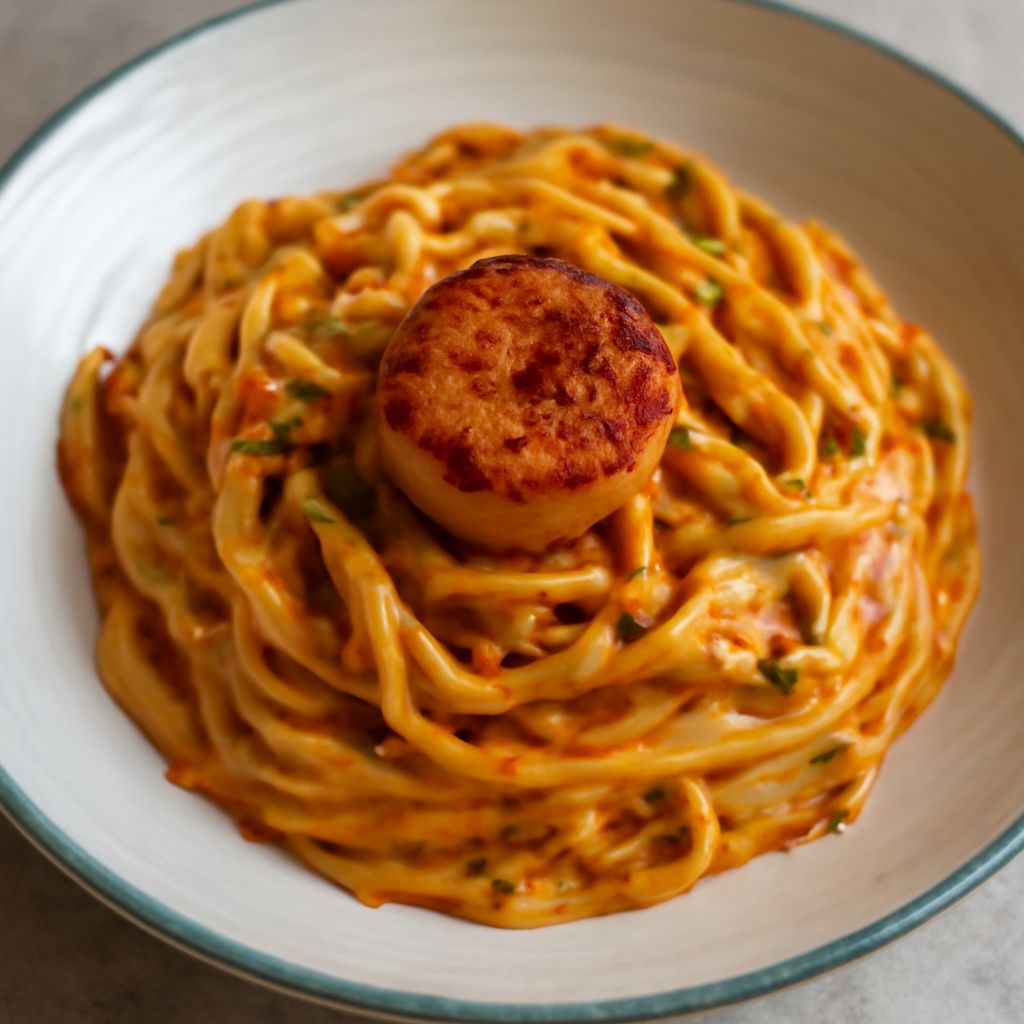
If you want to bring a restaurant-quality shrimp linguine recipe into your own kitchen, this guide will show you exactly how to make shrimp linguine with simple steps and straightforward ingredients. Combining tender shrimp, perfectly cooked linguine, and a vibrant garlic-lemon sauce, it’s a dish that feels special yet comes together in under 30 minutes. Whether you’re cooking for a weeknight dinner or a dinner party, you’ll master every detail for flawless shrimp linguine every time.
Why This Shrimp Linguine Recipe Works
This shrimp linguine recipe is designed for maximum flavor with minimal fuss. The key is using fresh or properly thawed shrimp and pairing them with a sauce that enhances, rather than overwhelms, their natural sweetness. By cooking the shrimp quickly over high heat, you ensure they stay juicy and tender. The sauce combines garlic, lemon, and a splash of white wine for brightness, with a hint of red pepper for gentle heat. Finished with fresh parsley and a touch of butter, this technique balances richness and lightness, creating a sauce that clings perfectly to the pasta.
The method also streamlines the cooking process by preparing the sauce ingredients while the pasta boils, making this shrimp linguine ideal for busy cooks. Sautéing the shrimp in the same pan used for the sauce ensures you capture every bit of flavor, and tossing the pasta directly into the pan at the end lets it soak up all of the aromatic juices. This approach prevents overcooking the shrimp, keeps the pasta al dente, and delivers a cohesive dish every time.
With just one skillet and one pot, cleanup is easy. The recipe is also highly adaptable, so you can swap in gluten-free pasta or add greens like spinach for extra nutrition. Whether you’re new to shrimp pasta or looking to elevate your routine, the thoughtful balance of flavors and practical method make this shrimp linguine recipe a repeat-worthy favorite.
Ingredients You’ll Need for Shrimp Linguine
Gather everything before you begin for a smooth cooking experience. This shrimp linguine recipe yields four generous servings. Here is what you’ll need:
- Linguine: 12 ounces of dried linguine. You can substitute spaghetti, fettuccine, or gluten-free pasta if preferred.
- Shrimp: 1 pound of large shrimp (16/20 count), peeled and deveined, tails on or off. Thaw frozen shrimp completely and pat dry.
- Olive oil: 2 tablespoons for sautéing and flavor.
- Butter: 2 tablespoons for richness in the sauce.
- Garlic: 4 large cloves, finely minced or pressed.
- Red pepper flakes: 1/2 teaspoon for subtle heat; adjust to taste.
- White wine: 1/2 cup dry white wine such as Pinot Grigio or Sauvignon Blanc. Substitute chicken broth if you prefer not to use wine.
- Lemon: Zest and juice of 1 large lemon for brightness.
- Fresh parsley: 1/4 cup chopped, plus more for garnish.
- Salt and pepper: To taste, for seasoning the shrimp and sauce.
- Optional additions: 1/2 cup grated Parmesan for serving; baby spinach or cherry tomatoes can be added for extra color and flavor.
Quality matters, especially with shrimp and olive oil. Use the freshest shrimp you can find, and opt for a good extra-virgin olive oil to build the sauce’s base. For the best results, zest the lemon before juicing, and chop the parsley just before adding for the freshest flavor.
This ingredient list gives you the foundation for classic shrimp linguine, but it’s also easy to customize according to dietary needs or personal taste. See the Serving Suggestions and Variations section for more ideas.
How to Make Shrimp Linguine: Step-by-Step Instructions
Follow these detailed instructions for a foolproof way to make shrimp linguine. The entire process takes about 25–30 minutes from start to finish.
-
Prep the ingredients:
- Thaw the shrimp if frozen, peel and devein, and pat them dry with paper towels. Season lightly with salt and pepper.
- Finely mince the garlic, chop the parsley, and zest and juice the lemon.
- Bring a large pot of salted water to a boil for the pasta.
-
Cook the linguine:
- Add the linguine to the boiling water and cook according to package instructions until just al dente—usually about 9–11 minutes.
- Reserve 1 cup of pasta cooking water before draining. This starchy water will help the sauce emulsify later.
-
Sauté the shrimp:
- While the pasta cooks, heat 1 tablespoon olive oil and 1 tablespoon butter in a large skillet over medium-high heat.
- Add the shrimp in a single layer without crowding. Sauté for 1–2 minutes per side, until just pink and opaque. Do not overcook—shrimp cook very quickly.
- Remove shrimp to a plate and set aside. Wipe out any dark bits from the pan if needed.
-
Make the sauce:
- Add the remaining 1 tablespoon olive oil to the skillet. Sauté the minced garlic and red pepper flakes for about 1 minute, just until fragrant (do not brown).
- Pour in the white wine and let it simmer for 2–3 minutes, scraping up any browned bits. The sauce should reduce by about half.
- Stir in the lemon zest and juice, then add the remaining 1 tablespoon butter. Swirl the pan until melted and emulsified.
-
Combine and finish:
- Add the drained linguine directly into the skillet. Toss to coat in the sauce, adding reserved pasta water a little at a time until the sauce clings to the noodles and everything glistens.
- Return the shrimp to the pan. Toss with the pasta and sauce, then add the chopped parsley. Taste and adjust seasoning with more salt, pepper, or lemon juice as needed.
- If using, fold in baby spinach or halved cherry tomatoes and let them wilt in the hot pasta for a minute.
-
Serve:
- Plate the shrimp linguine immediately. Garnish generously with more parsley and freshly grated Parmesan, if desired. Serve hot, with extra lemon wedges and a drizzle of olive oil if you like.
These steps ensure you’ll learn how to make shrimp linguine that’s flavorful, silky, and never overcooked. Pay attention to cooking times and don’t rush the sauce reduction, which creates the luxurious texture that sets this recipe apart.
Tips for Perfect Shrimp Linguine Every Time
Small details elevate your shrimp linguine from good to outstanding. Here are proven tips for flawless results:
- Use large shrimp: Smaller shrimp can overcook quickly and get lost in the pasta. Large, meaty shrimp (16/20 per pound) yield the best texture and presence.
- Dry your shrimp thoroughly: Pat shrimp dry before cooking to promote browning instead of steaming. This gives better flavor and prevents a watery sauce.
- Monitor cooking times: Shrimp become rubbery if overcooked. Sauté just until they turn opaque and curl into a loose “C” shape, then remove from heat.
- Use pasta water wisely: Reserved pasta water is naturally starchy and helps the sauce stick to linguine. Add it gradually, only as much as needed to achieve a glossy, cohesive sauce.
- Don’t overcook the pasta: Undercook by 1–2 minutes in the pot, then finish in the skillet with the sauce for perfect al dente texture.
- Add fresh ingredients last: Fresh parsley, spinach, and lemon juice should be added just before serving to preserve their color and flavor.
- Balance the flavors: Taste the sauce before combining with pasta. Adjust salt, pepper, lemon, or red pepper as needed. The finished sauce should taste slightly bold, as the linguine will mellow the flavors.
For an extra-flavorful shrimp linguine, you can gently toast the garlic in oil before adding the wine—but don’t let it brown, or it will taste bitter. If you want a more decadent sauce, stir in a splash of heavy cream right before serving. For a brighter finish, always offer extra lemon wedges at the table.
Avoid letting cooked shrimp sit in the hot pan for more than a minute, as carryover heat can toughen them. Prep all your ingredients before you start, as the process moves quickly once you begin cooking. If you need to reheat leftovers, do so gently in a skillet with a splash of water or broth to prevent the shrimp from drying out.
Serving Suggestions and Variations
Shrimp linguine is a crowd-pleasing main course, but you can elevate the experience with thoughtful sides and creative twists. Here’s how to serve and customize your dish:
Serving suggestions:
- Pair with a simple green salad dressed in lemon vinaigrette to complement the citrus notes in the pasta.
- Serve alongside crusty Italian bread or garlic toast to soak up every drop of the sauce.
- Accompany with a chilled glass of the same dry white wine you used in the recipe for a harmonious pairing.
- Add a bowl of olives or marinated artichokes for a Mediterranean touch.
Variations:
- Linguine alle Vongole: Swap shrimp for fresh clams, following the same method, for another classic Italian seafood pasta.
- Shrimp and scallop linguine: Use half shrimp and half scallops for a deluxe seafood pasta.
- Lemon garlic cream shrimp linguine: Add 1/3 cup heavy cream to the sauce for a luscious, creamy finish.
- Shrimp linguine with vegetables: Stir in baby spinach, diced zucchini, or halved cherry tomatoes for a colorful, nutrient-rich version.
- Gluten-free shrimp linguine: Substitute your favorite gluten-free pasta and check that all other ingredients are gluten-free.
- Spicy shrimp linguine: Increase the red pepper flakes or add a pinch of cayenne for extra kick.
You can also finish the shrimp linguine with a drizzle of high-quality olive oil, a dusting of fresh lemon zest, or a sprinkle of chopped fresh basil or chives. These touches enhance the freshness and aroma of the dish. Serve immediately for the best texture and flavor, and watch your guests come back for seconds.