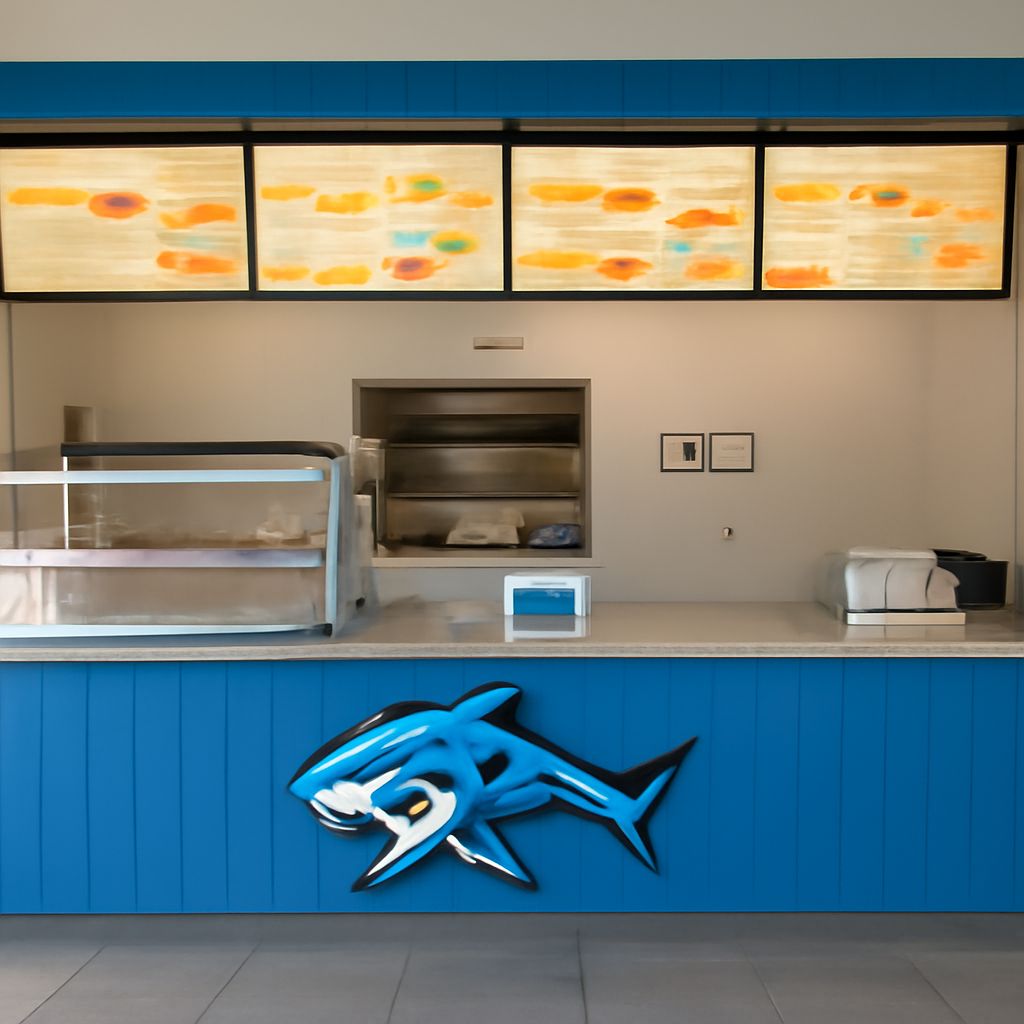
If you’re trying to figure out what is a fast casual restaurant, the simplest answer is this: it’s a restaurant format that sits between fast food and casual dining. You usually order at a counter or kiosk, pay before you eat, and then sit down and get your food without full table service. The menu is fresher and more customizable than most fast food, but the experience is still quicker and more streamlined than a sit-down restaurant.
In practical terms, fast casual gives you convenience without feeling like drive-thru dining. You get a relaxed room, table seating, and more attention to food quality, but you still handle part of the process yourself. That mix is what makes fast casual food and service distinct.
What a Fast-Casual Restaurant Is
A fast-casual restaurant is a dining concept built around speed, simplicity, and better-than-basic food. You place your order at a counter, kiosk, or mobile app, then the kitchen prepares it after you order. You typically pick up your food when it’s ready, or a team member brings it to your table if the restaurant uses numbered service.
The key idea behind what is fast casual is that it combines a quicker flow with a more polished food experience. You don’t usually get full table service from start to finish, but you do get more fresh preparation, more menu variety, and a more comfortable dining room than you would at standard fast food.
Common examples of fast-casual brands include Chipotle, Panera Bread, Cava, Sweetgreen, and Noodles & Company. These restaurants often focus on bowls, salads, sandwiches, wraps, pizza, noodles, or build-your-own meals. The format can also show up in local restaurants that want a flexible, modern service style without becoming a formal sit-down operation.
How Fast Casual Works: Ordering, Payment, and Service
The service model is one of the clearest ways to identify fast casual. You usually walk in, review the menu, and order before sitting down. Payment happens up front, either at the counter or online if you’re using pickup or delivery. That means your meal is mostly arranged before you take a seat.
Here’s the usual flow:
- You place your order at the counter, kiosk, or app.
- You pay before your food is made or served.
- The kitchen prepares the order after checkout.
- You pick up the food, receive it at the table, or wait for a short number-based handoff.
- You bus your own table at some locations, though many restaurants handle this for you.
This setup keeps service fast, but it still feels more personalized than a typical burger chain. You may be able to ask for ingredient swaps, sauce changes, extra toppings, or half portions. Some locations also have staff members guiding you through a line, which makes the experience feel closer to assembly than traditional ordering.
Compared with casual dining, you’ll notice fewer steps involving a server. You’re not waiting for a host to escort you, a server to take your order, and a check at the end. That’s why the experience moves faster and feels less formal.
Fast Casual Food: Menu, Preparation, and Customization
Fast casual food usually focuses on recognizable dishes made with fresher ingredients and more customization than fast food. The menu is often narrower than a full-service restaurant’s, but each item may have several build options. You might choose a base, protein, toppings, sauces, and sides, which lets you shape the meal to your preferences.
Preparation also sets this category apart. In fast food, many items are pre-portioned, held warm, or assembled from highly standardized components. In fast casual, food is often cooked, finished, or assembled after you order. That doesn’t mean everything is made from scratch in the kitchen, but it usually means more visible prep and less reliance on prepackaged service speed.
Typical menu patterns include:
- Build-your-own bowls, burritos, salads, or grain plates
- Made-to-order sandwiches, flatbreads, or wraps
- Simple sides and drinks rather than large side menus
- Limited dessert or snack options
- Ingredient-driven menus with seasonal or rotating items
Customization is one of the biggest reasons people choose fast casual. If you want control over calories, ingredients, spice level, or dietary preferences, the format makes that easier. You can often build a meal that feels tailored without paying for a long, multi-course dining experience.
Price usually reflects that middle ground. Fast casual costs more than most fast food, but less than many casual dining meals once you add appetizers, drinks, and tip. In many markets, you can expect a main meal to land in the middle-price range for a quick lunch or dinner.
Fast Casual vs. Fast Food vs. Casual Dining
If you want the clearest comparison, think of fast casual as the middle lane. It borrows speed from fast food and atmosphere from casual dining, but it does not fully match either one.
Ordering and service
Fast food is the most automated and quickest. You order at a counter, drive-thru, or app, and the food is often ready almost immediately. Fast casual is similar in that you order and pay up front, but the food is usually prepared after you order and may involve more ingredient choices. Casual dining adds a host, server, table-side ordering, check presentation, and a more complete service experience.
Food and preparation
Fast food is built for consistency and volume. Fast casual usually leans more toward fresh assembly, visible prep, and more customizable ingredients. Casual dining tends to offer a broader menu and more cooking complexity, including entrées, appetizers, desserts, and daily specials.
Price
Fast food is usually the lowest-cost option. Fast casual typically costs more because of ingredient quality, portion style, and the dining environment. Casual dining often costs the most because service is fuller and menu items are more elaborate. If you’re deciding based on budget, fast casual often feels like the compromise between value and quality.
Speed
Fast food is fastest, especially through drive-thru service. Fast casual is still quick, but it may take a few extra minutes because food is prepared after ordering. Casual dining takes the longest because you’re moving through a full service sequence and often spending more time at the table.
Seating and atmosphere
Fast food seating is usually functional and brief. Fast casual dining rooms are often cleaner, more open, and more comfortable, with enough space to sit and work, talk, or linger a little. Casual dining creates the most traditional restaurant atmosphere, often with softer lighting, tableware, and a more polished room.
So if you’re choosing between them, use this rule of thumb: choose fast food for maximum speed and lowest cost, fast casual for a better food experience with moderate speed, and casual dining for a slower, more complete service meal.
How to Recognize a Fast-Casual Restaurant
You can spot a fast-casual restaurant by looking for a few practical signs. If several of these are true, you’re likely in the fast-casual category:
- You order at a counter, kiosk, or app instead of waiting for a server.
- You pay before the meal arrives.
- The menu is focused and easy to scan.
- The food is assembled or finished after you order.
- You can customize ingredients or portions.
- The dining room is designed for quick seating and relaxed use.
- The restaurant has a cleaner, more modern feel than standard fast food.
One easy way to think about it is this: if the restaurant gives you fast casual convenience, fresher fast casual food, and a comfortable place to sit without full table service, it probably belongs in this category. That’s why a place like a modern bowl bar, sandwich shop, or customizable grill can feel different from both a burger chain and a traditional sit-down restaurant.
Some diners also use the term shark restaurant when they mean a place with a sharp, high-volume, highly efficient service model, but that isn’t a standard restaurant category. If you’re trying to identify the format, focus on how you order, when you pay, how the food is made, and whether you’re expected to manage part of the meal yourself.